Picture this: you’re standing at your bathroom sink with five bottles—cleanser, toner, vitamin C, moisturizer and sunscreen—and you’re not sure which comes first. You’re not alone; the order matters more than brand names because it affects absorption and effectiveness.
The short, usable answer: apply products from thinnest to thickest, and on active purpose. For most routines that means: cleanser → toner/essence → treatment liquids (serums, vitamin C, niacinamide) → targeted actives/retinols (evening) → eye cream → moisturizer → facial oil → sunscreen (day). Below is a quick, scannable sequence, then practical explanation and exceptions.
Quick correct order to apply your skincare products
- Cleanser (wash, pat dry)
- Toner or essence (if you use one)
- Water-based serums and treatments (hyaluronic acid, vitamin C, niacinamide)
- Targeted actives / chemical exfoliants / prescription treatments (AHA/BHA, tretinoin) — usually evening
- Eye cream
- Moisturizer (cream or lotion)
- Facial oil (sealant — optional)
- Sunscreen (daytime, last step)
Why “thinnest to thickest” works—and the exceptions
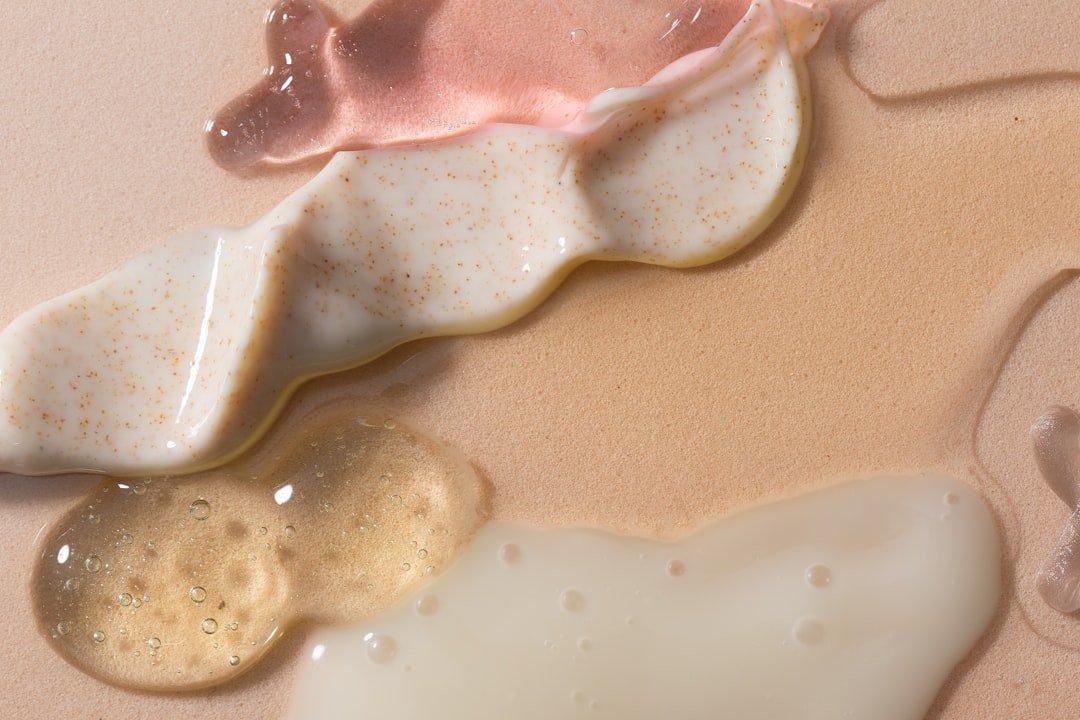
Skin absorbs thinner, water-based formulas faster, so putting them under heavier creams helps penetration. Serums are concentrated actives and should sit close to the skin. Oils and rich creams form barriers that block later ingredients, which is why sunscreen must be last in the daytime routine.
Key exceptions:
- If you use a silicone primer for makeup, it goes after sunscreen (or in place of it for non-sun-exposed indoor makeup—but never replace SPF when outdoors).
- Sheet masks or overnight sleeping masks replace or sit after moisturizer depending on the product instructions.
- Some oil-based serums (rosehip, retinol oils) may be applied before a heavier cream if the bottle recommends; read directions and follow “apply on clean skin” cues for active oils.
Morning vs evening: what changes and why
Morning routines emphasize protection and hydration: keep actives that increase sun sensitivity (strong AHAs, retinoids) for the evening. Your morning order should prioritize antioxidant serums and sunscreen—apply vitamin C after toner and before moisturizer, then sunscreen on top.
Evening routines focus on repair and deeper actives. Cleanse thoroughly, layer treatments (e.g., prescription tretinoin or a chemical exfoliant) on dry skin if required, then moisturizer and optionally oil. If you’re using multiple actives (AHA and retinol), stagger them across nights or follow a dermatologist’s plan—don’t stack strong exfoliants and retinoids the same night unless advised.
Common product pairings and how to order them
- Hyaluronic acid serum + moisturizer: apply hyaluronic to damp skin, then moisturizer to lock hydration.
- Vitamin C + sunscreen: vitamin C (water-based) before moisturizer or immediately after toner, then sunscreen last.
- Retinol: after cleansing and drying, use a thin layer of retinol/retinoid; wait 10–20 minutes if directed, then follow with moisturizer to reduce irritation.
- Acids (AHA/BHA): apply on clean, dry skin; if you plan to use a hydrating serum, wait or combine according to tolerance. Always follow with moisturizer; use sunscreen the next day.
- Face oil + moisturizer: if you want the benefits of both, apply moisturizer first, then oil as a sealant; if your oil is a treatment oil, follow its label.
How to prioritize when you have many products
When you have more serums or actives than time, prioritize by purpose: morning—cleanse, antioxidant (vitamin C), hyaluronic, moisturizer, SPF; evening—cleanse, targeted active (retinoid or AHA/BHA), moisturizing treatment. Use one strong active at a time and introduce new products gradually.
Practical tips for real-life application
- Wait times: generally 30–60 seconds between lightweight layers is enough; for retinoids or chemical exfoliants, follow product guidance—some need the skin to dry first.
- Amount matters: a pea-sized amount for serums, a nickel-sized for face creams, and one teaspoon for sunscreen (face and neck) are good starting points.
- Patch test new actives and introduce one product every 1–2 weeks.
- Keep your morning routine protective and your evening routine restorative—both should be consistent rather than overly complicated.
When to adjust order because of ingredients
Certain ingredient pairings require caution: avoid combining benzoyl peroxide with vitamin C (can oxidize the vitamin); avoid mixing strong acids and retinoids the same night unless your skin tolerates it. Niacinamide and vitamin C are generally compatible for most people, contrary to past myths, but watch for personal sensitivity.
If you use prescription products (tretinoin, topical antibiotics), follow your prescriber’s order and timing—these sometimes require application on dry skin or specific spacing from other products.
Recommended product to get started (routine builder)
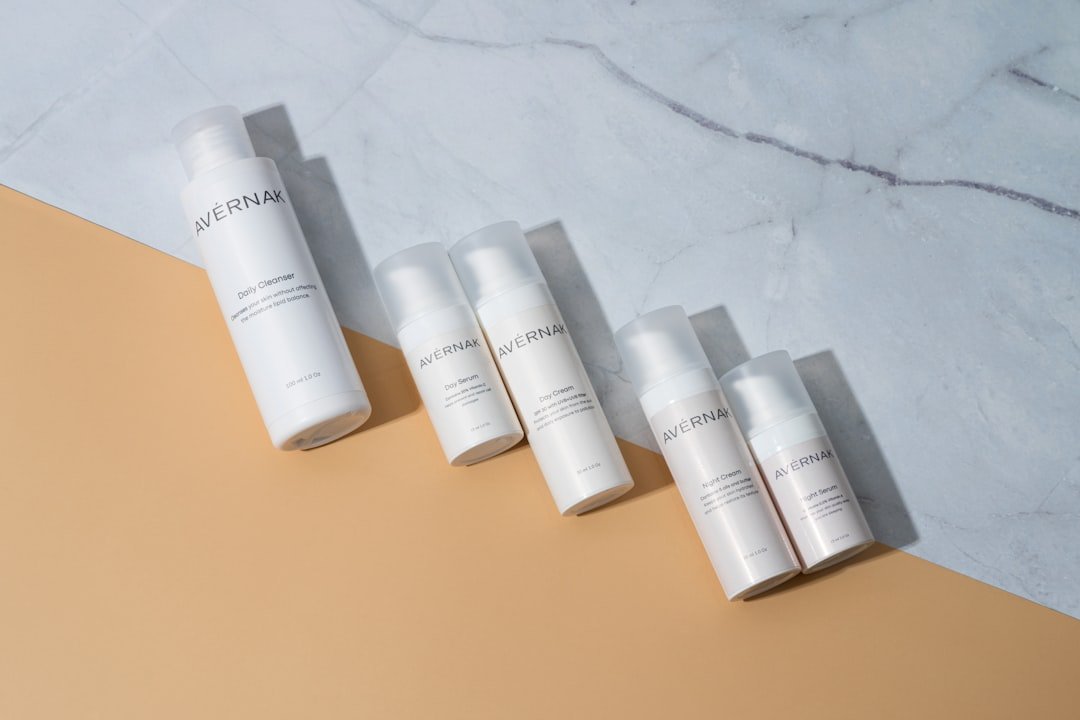
If you’re assembling a balanced starter kit or need a complete, complementary set to practice correct layering, consider a curated set that includes gentle cleanser, hydrating serum, moisturizer and SPF—an all-in-one gift set makes trial and consistent use simpler.
Final thoughts before you layer
Consistency and correct order boost product performance. Use the thin-to-thick rule, save sun-sensitizing actives for evening, and always finish daytime care with sunscreen. When adding new steps, introduce them slowly and keep notes on tolerance and visible results.
- Cleanser chosen for your skin type and used morning/evening as needed
- Identify which products are water-based vs oil-based
- Reserve strong acids/retinoids for evening and plan schedule
- Always include a broad-spectrum sunscreen in daytime routine
- Introduce one new product at a time and patch test
Order skincare from thinnest to thickest and put targeted actives directly on clean skin. Keep mornings focused on antioxidants and SPF, evenings on repair and stronger actives, and introduce new products slowly for best tolerance and results.
Do I apply toner before serum?
Yes—toner or essence typically comes before serums because it’s thinner and helps prep the skin for active ingredients.
Should sunscreen always be last?
Yes; sunscreen should be the final daytime layer so it can form an even protective film over all previous products.
Can I mix serums together?
Some serums mix fine (for example, hyaluronic acid with antioxidants), but avoid combining strong actives unless you know your skin tolerates them; patch test when trying combinations.
How long should I wait between layers?
For most lightweight products, 30–60 seconds is enough; for retinoids or chemical exfoliants follow product instructions—sometimes waiting until the skin is completely dry helps reduce irritation.
Where does facial oil fit in my routine?
Facial oil usually goes after moisturizer as a sealant; if it’s marketed as a treatment oil, check label directions—follow them if they differ from this general rule.