Small mistaken beliefs that quietly derail results
Many people assume a busy routine equals better skin. In practice, the most common skincare mistakes are usually small, repeated errors—like skipping sunscreen or over-exfoliating—that quietly undo progress. Read the quick fixes first, then the why behind them so you can decide what to change today.
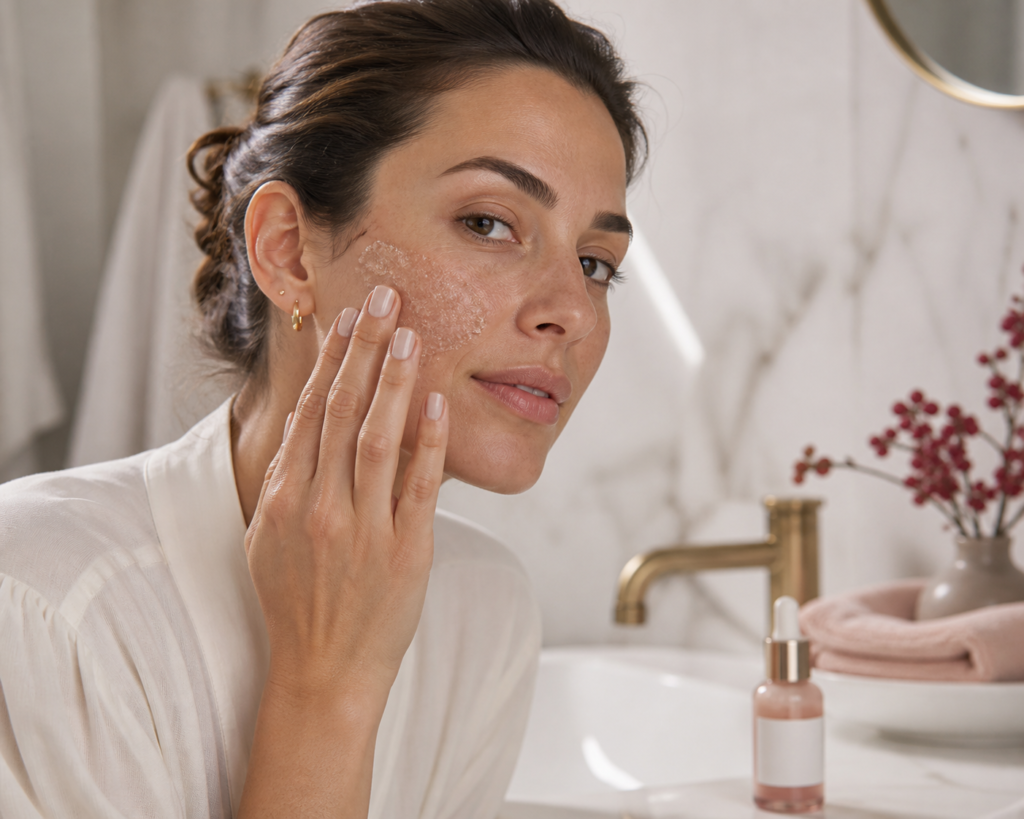
Over-exfoliating: why more isn’t better and what to do instead
Problem: Exfoliating too often or using harsh physical scrubs strips the skin’s barrier, causing redness, sensitivity and flare-ups that obscure improvements.
Why it matters: A damaged barrier loses moisture and becomes prone to irritation and infection. That can make acne worse, increase pigmentation and reduce the benefit of active ingredients.
Better approach: Choose one evidence-based exfoliation method (chemical AHA/BHA or a gentle physical scrub) and match frequency to your skin type. Normal to oily skin: 2–3 times weekly for most chemical exfoliants; sensitive or barrier-compromised skin: once weekly or lower-concentration products. If you’re using retinoids, reduce other exfoliating acids to avoid combined irritation.
Skipping sunscreen—what it truly costs you
Problem: Treating sun protection as optional or only for sunny days.
Why it matters: UV exposure is the most significant environmental cause of visible aging, uneven pigmentation and can undo topical treatments like vitamin C or retinoids.
Better approach: Apply a broad-spectrum SPF 30+ every morning as the final step of your skincare routine, and reapply every two hours if you’re outside. For daily indoor exposure, a single morning application paired with window-protective measures is still essential. If you prefer makeup with SPF, use it as a supplement, not a replacement for dedicated sunscreen.
Incorrect product layering—active clashes and wasted ingredients
Problem: Slathering on multiple active serums in the wrong order or combining incompatible ingredients (like benzoyl peroxide and tretinoin) without thought.
Why it matters: Incorrect layering reduces absorption, irritates skin, and can chemically neutralize benefits. For example, pure vitamin C (L-ascorbic acid) works best at low pH and can be destabilized by some alkaline products.
Better approach: Apply products from thinnest to thickest texture. General order: cleanser → toner/essence → water-based serums (e.g., vitamin C) → oil-based serums → moisturizer → sunscreen (AM). If you use strong actives—retinoids, exfoliating acids, benzoyl peroxide—introduce them one at a time and avoid mixing them in a single session unless a trusted source recommends it.
Not patch testing new products—a low-effort safeguard
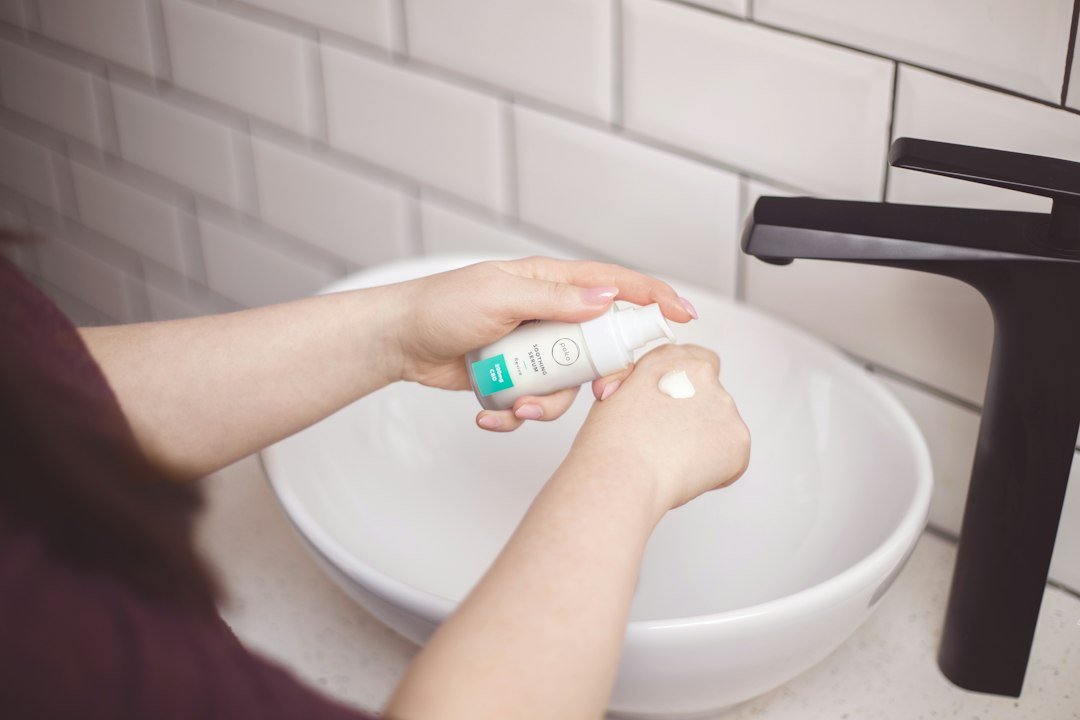
Problem: Applying new serums or creams to the entire face without prior testing.
Why it matters: Allergic or sensitizing reactions often show first in small areas; a full-face reaction can be more disruptive and costly.
Better approach: Patch test on the inner forearm or behind the ear for 48–72 hours before full-face use. If irritation appears, stop and consult ingredient guidance—sometimes a lower concentration or an alternative active will work better for your skin.
Using the wrong cleanser or water temperature
Problem: Daily use of overly drying cleansers or washing with very hot water.
Why it matters: Strong surfactants and hot water strip natural oils and damage the barrier, leading to increased sebum production, irritation and sensitivity.
Better approach: Pick a gentle cleanser that removes makeup and sunscreen without leaving the skin tight—look for mild surfactants and hydrating additives. Use lukewarm water; reserve deeper cleansing (oil double-cleanse or targeted exfoliation) for evenings when you’ve worn makeup or heavy SPF.
Inconsistency: the single biggest invisible mistake
Problem: Expecting overnight changes and stopping routines when immediate results don’t appear.
Why it matters: Research-backed ingredients like retinoids, niacinamide and peptides need weeks to months to show measurable improvements. Interrupting application resets progress and confuses your skin.
Better approach: Commit to a basic routine (cleanse, treat, moisturize, protect) for at least 8–12 weeks when introducing one new active, and log how your skin responds. If a product causes persistent irritation, pause and reassess; otherwise patience wins.
Mixing too many actives at once—step back and simplify
Problem: Adding multiple potent actives (e.g., retinol, AHAs, vitamin C) simultaneously to speed results.
Why it matters: The combined irritation can cause barrier breakdown, pigment issues and increased UV sensitivity, which compound rather than accelerate results.
Better approach: Introduce one active at a time with at least two weeks between additions. Use alternate-night scheduling (retinoid nights, AHA nights) or separate AM/PM applications when clinically appropriate.
Neglecting hydration versus moisturization
Problem: Confusing “hydration” (water content) with “moisturization” (sealing that water in), resulting in heavy creams on oily skin or lightweight hydrators on very dry skin.
Why it matters: Missing this distinction can leave skin feeling greasy or still dry, undermining products like hyaluronic acid which draw water but need an occlusive step to be effective in dry climates.
Better approach: Combine a humectant (hyaluronic acid or glycerin) with an occlusive or emollient (ceramide-rich moisturizer or light oil) to lock in hydration. Adjust textures seasonally—lighter gels in summer, richer creams in winter.
Product expiration and storage mistakes
Problem: Using old or improperly stored products—vitamin C serums oxidize, retinoids lose potency, and natural formulations can grow bacteria.
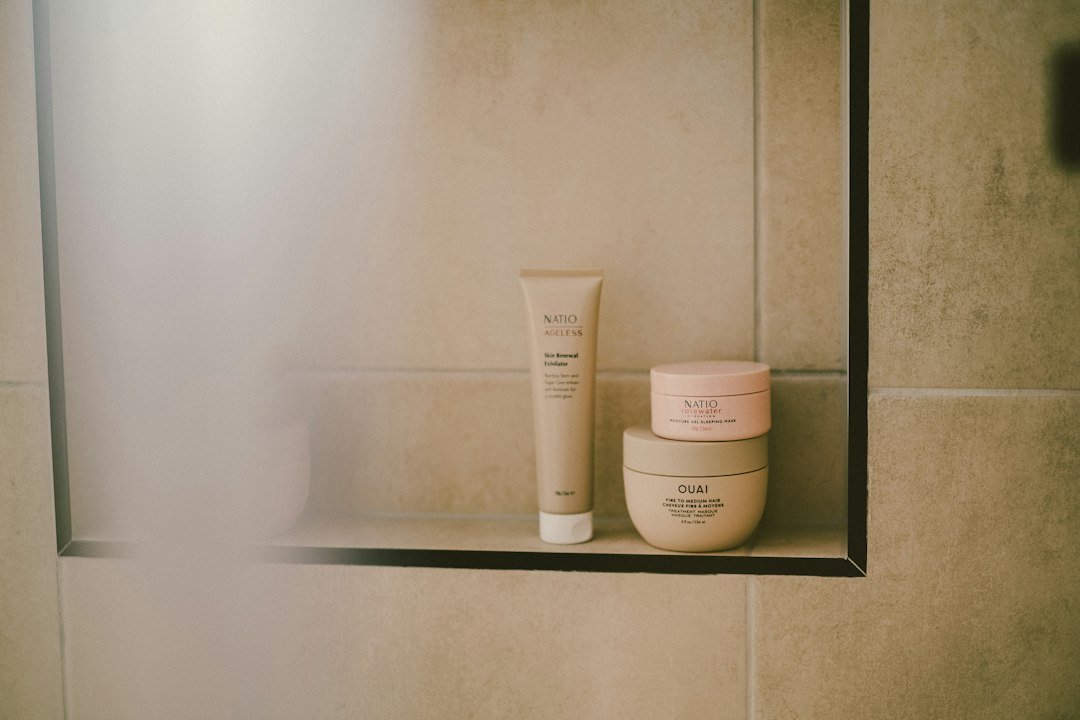
Why it matters: Degraded products are less effective and sometimes irritating or contaminated.
Better approach: Note purchase/open dates, use products within manufacturer guidelines (often 6–12 months after opening), and store away from direct sunlight and heat. If a product changes smell, color or texture, replace it.

Dore & Rose Deep Sleep Mask, 100% Pure Silk Eye Mask for Sleeping
A catalog product selected because it closely matches this part of the beauty guide.
- Do you apply a broad-spectrum SPF every morning and after extended sun exposure?
- Have you introduced new active ingredients one at a time, with a patch test?
- Is your cleanser gentle and used with lukewarm water?
- Do you layer from thinnest to thickest texture and avoid mixing strong actives in one session?
- Are you using a humectant plus an occlusive step in dry weather?
- Do you note product open dates and replace oxidized or smelly items?
Small, consistent habits—daily sunscreen, measured exfoliation, correct layering and simple patch testing—protect your skin barrier and let active ingredients work. Simplify where possible and give changes time to show results.
How often should I exfoliate without damaging my skin?
Frequency depends on method and skin type: most chemical exfoliants work 1–3 times weekly; sensitive skin should start once weekly. Watch for redness or persistent stinging and reduce use if present.
Can I layer vitamin C and retinol?
They can be used in the same routine but often work best separated—vitamin C in the morning (paired with sunscreen) and retinol at night—to reduce irritation and maximize stability.
Is sunscreen necessary indoors?
Yes—UVA rays penetrate windows and contribute to aging and pigmentation, so daily SPF is recommended even for indoor-heavy days.
How long should I wait to see results from a new active?
Expect skin-cycle changes over 8–12 weeks for many actives; some improvements like hydration can be immediate, while firming and pigmentation take longer.
Which product should I replace first if my skin reacts?
Stop the most recent product added, especially if it contains strong actives; revert to a gentle cleanser and moisturizer while your skin recovers, then reintroduce products slowly.