Short answer: what a spa-like skincare routine looks and feels like
A spa-like skincare routine at home is a deliberate, slow sequence: clean, gently steam or warm, exfoliate or mask, treat with targeted serums, press in moisturizer/oil, then finish with a light barrier and relaxation—all performed with mindful timing, soft lighting and a couple of simple tools. The goal is both immediate sensory calm and improved product absorption so your skin actually shows the results.
Why structure and pacing matter more than expensive products
Spas sell time, temperature and technique as much as product. At home you can reproduce those elements cheaply: a warm towel, a short steam, intentional massage, and correct product order. Even mid-range products perform better when given time and proper layering. Below is a practical, repeatable routine you can use 2–7 times weekly depending on the steps you choose.
Before you begin: set the stage
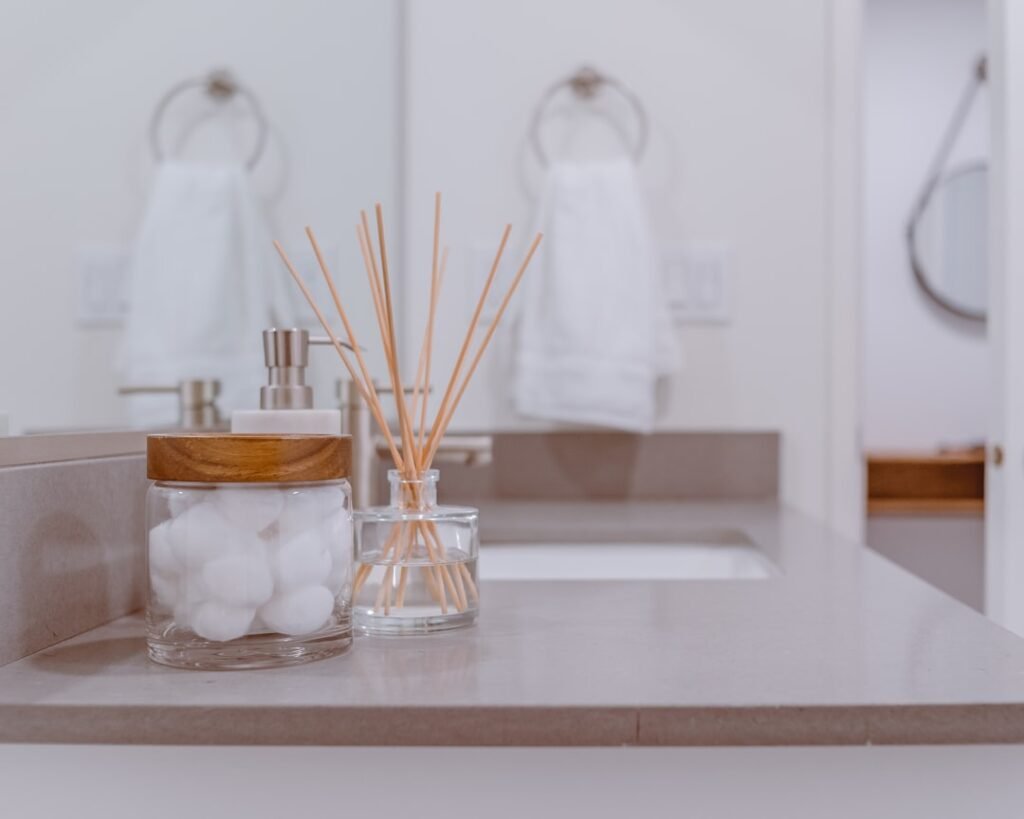
Decide where and when: choose a quiet bathroom or bedroom with a towel rack, dimmable light or candle, and 20–40 minutes free. Gather: gentle cleanser, exfoliant (chemical or mild physical), mask (cream, clay or sheet), one or two serums (hydrating and/or active), moisturizer, facial oil (optional), a soft towel or headband and a jade roller or gua sha if you have one.
Step-by-step spa-like routine (practical order)
-
Cleansing — 2–4 minutes.
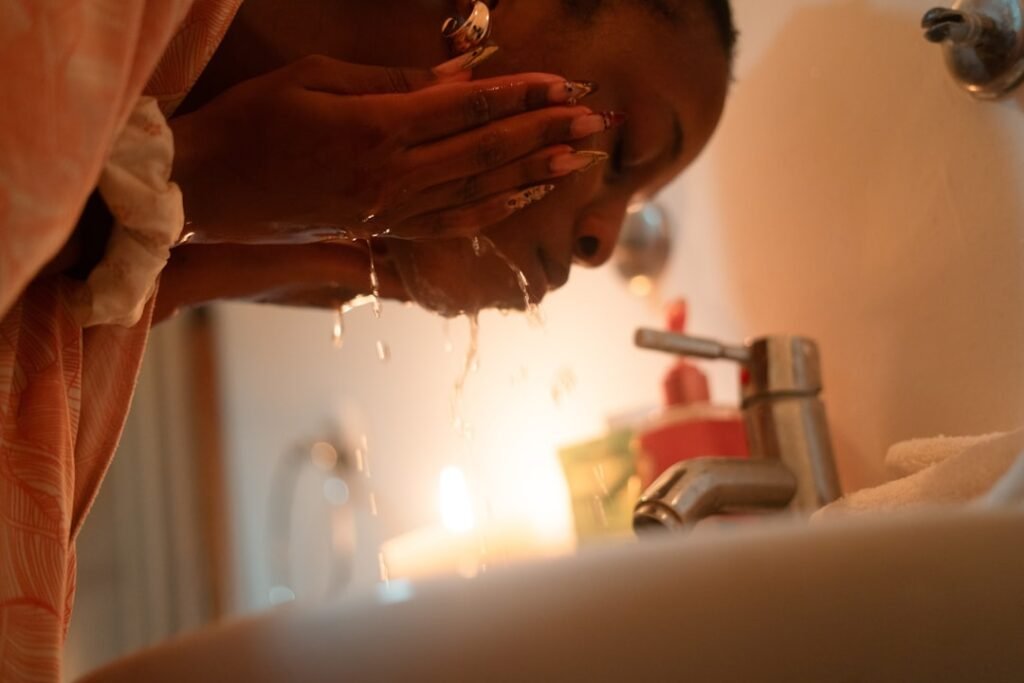
Start with a thorough double-cleanse if you wear makeup or SPF: oil/cleansing balm to break down layers, then a gentle water-based cleanser to remove residue. Use lukewarm water—hot water strips oils and weakens skin barrier.
-
Warmth and mild steam — 3–6 minutes.
Steam opens pores slightly and softens surface dead skin, improving mask and serum penetration. Create steam with a bowl of hot water and a towel over your head (keep eyes closed), or apply warm damp towels to the face for 60–90 seconds at a time. Don’t over-steam—more than 5–8 minutes can irritate sensitive skin.
-
Exfoliation — 30 seconds to 3 minutes (as needed).
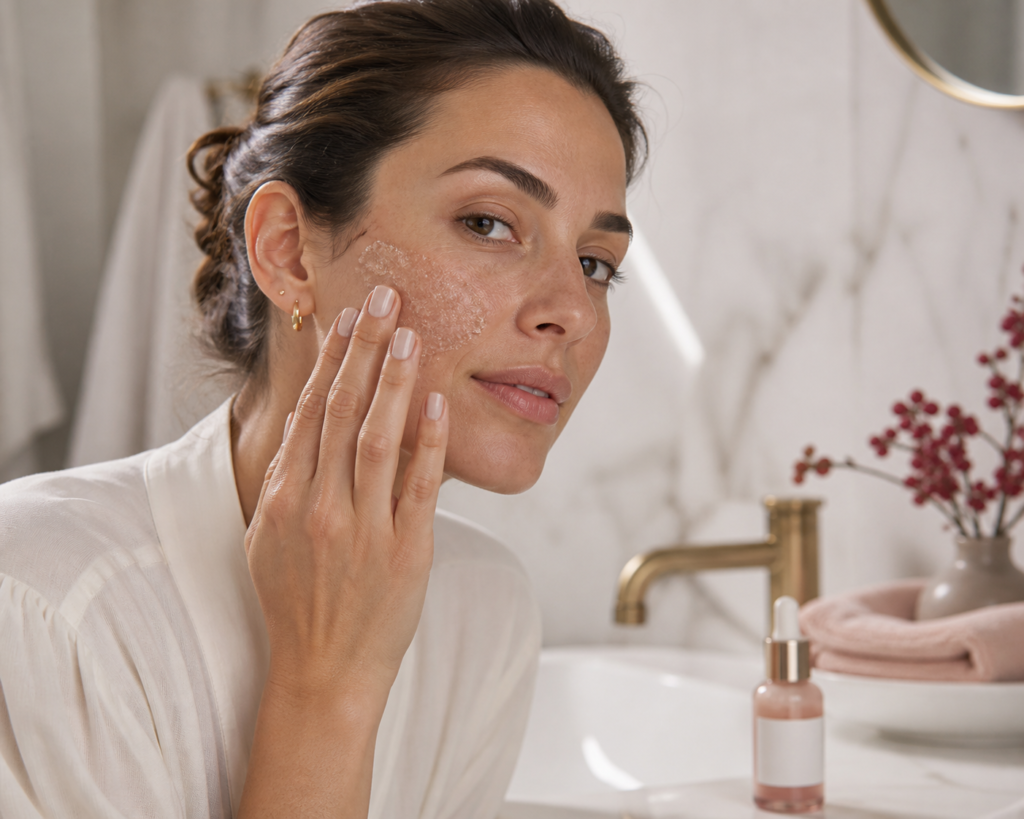
Use a chemical exfoliant (AHA for brightness, BHA for congestion) or a very gentle enzyme or physical scrub depending on tolerance. For most people once or twice weekly is enough; sensitive skin should choose low-concentration acids or skip to enzymes. Rinse thoroughly and pat dry.
-
Mask — 10–20 minutes.
Choose the mask to address an immediate need: clay for oil/pores (10 minutes), cream/hydrating or sheet mask for moisture (15–20 minutes). While the mask sits, lie back with eyes closed to get the relaxation benefit—don’t use this time to scour your phone.
-
Targeted treatment and layering serums — 1–3 minutes.
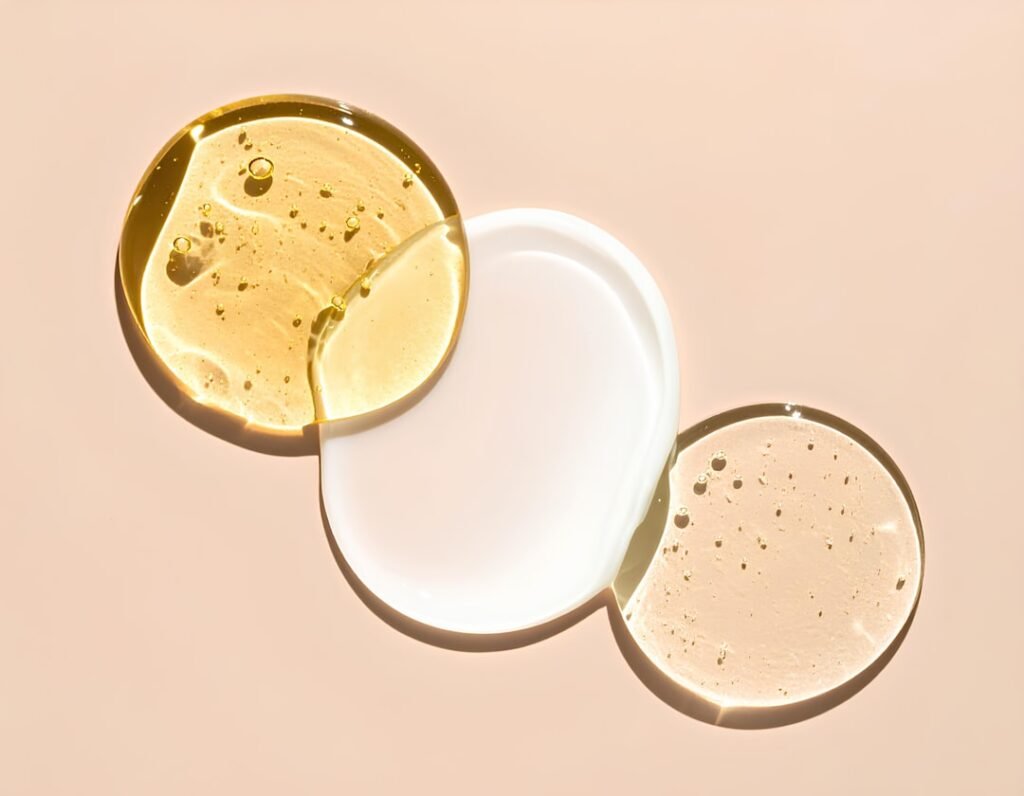
After removing the mask and lightly misting with a hydrating toner if needed, apply serums from thinnest to thickest. For example: vitamin C or niacinamide in the morning, retinol/peptides at night, and always a hyaluronic-acid-based hydrator before thicker actives. Wait 30–60 seconds between layers for better absorption.
-
Facial massage — 3–6 minutes.
Use a nourishing oil or cream as glide and perform upward strokes, lymphatic drainage toward the hairline and gentle circular motions on the jaw and cheekbones. Tools like a gua sha or roller amplify the effect but are optional; always move from center outward and avoid tugging fragile eye skin.
-
Moisturize and seal — 1 minute.
Choose a moisturizer appropriate to your skin type. Seal lightweight moisturizers with a few drops of facial oil if your skin is dry or if you’re doing a night routine. In the morning follow with SPF—this is non-negotiable after exfoliants or actives.
-
Finish and rest — 5–10 minutes.
Sit with a warm drink or quietly read for a few minutes. The calming ritual reduces cortisol spikes that can affect skin flush and sensitivity; treat this as part of the treatment, not just an add-on.
Tools and small upgrades that make it feel more spa-like
- Plush spa headband to keep hair off the face and to feel intentionally pampered—simple but effective.
- Gua sha or cooling roller: aids massage and improves circulation when used correctly.
- Small foot soak or basin for a 5–10 minute foot soak during mask time—adds relaxation and completes the ritual (optional product: foot soaking tubs).
- Soft LED or candle lighting and a towel warmer (if available) for warmth and sensory comfort.
How to adapt this routine to your skin type and schedule
For oily or acne-prone skin: focus on BHA exfoliation once weekly, clay masks, light water-gel moisturizers and careful use of oils (sparingly). For dry or sensitive skin: skip physical scrubs, use enzyme or low-concentration AHA, pick hydrating masks and richer creams or occlusive oils to finish. For busy mornings: shorten to cleansing, a single antioxidant serum, moisturizer and SPF; reserve full steaming/exfoliation/mask steps for once-weekly evening sessions.
Troubleshooting common problems
- If skin becomes red or stings after steaming/exfoliating, stop the exfoliant and give skin several days to recover; use only soothing hydrating products and avoid actives temporarily.
- If masks leave a residue or tightness, choose hydrating formulas or shorter application times and follow with a hydrating mist before serums.
- If massage increases breakouts, reduce oil or change to a non-comedogenic glide product and focus on lymphatic strokes rather than deep pressure.
One recommended product to simplify your home spa setup
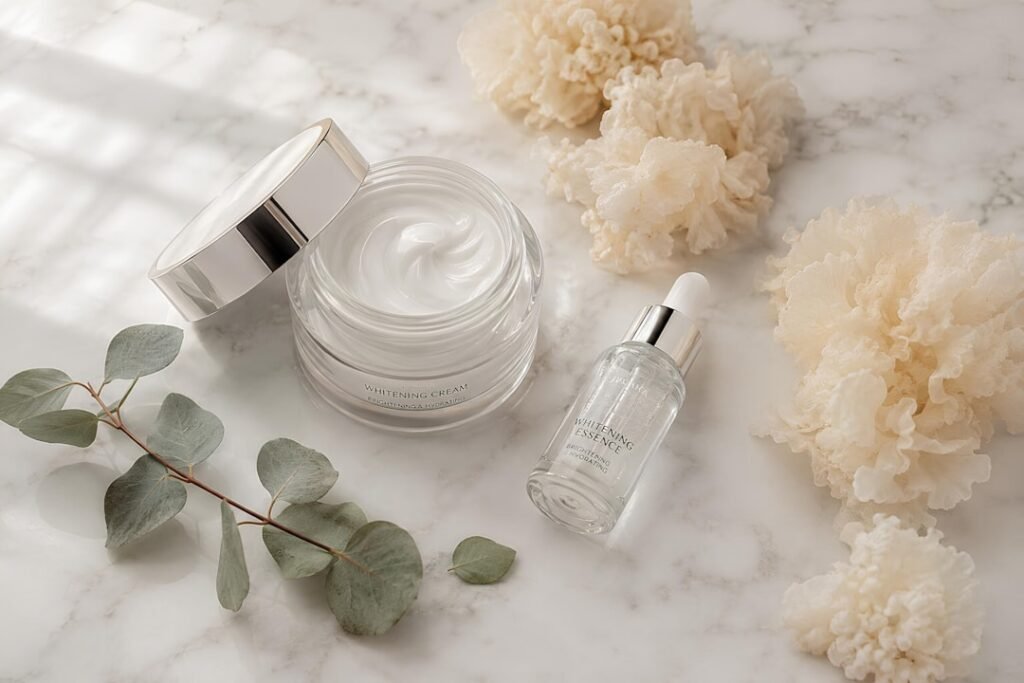
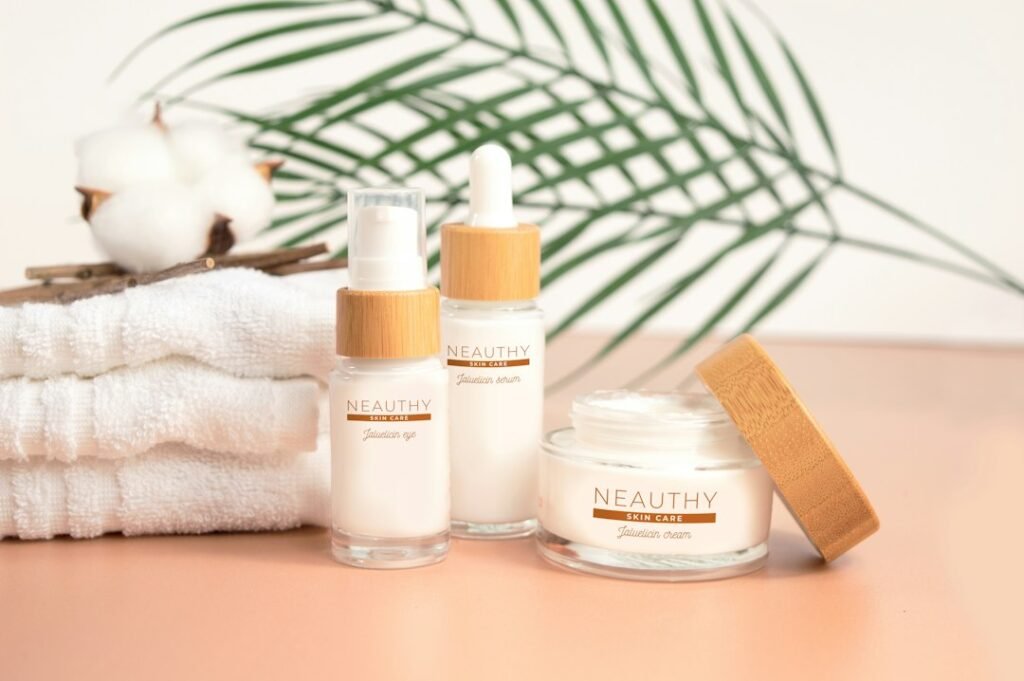
For an all-in-one starter that supports both ritual and results, consider a curated luxury set which typically includes cleanser, serum, moisturizer and a mask—perfect for following this routine without sourcing many products.
Related reads
For more on the setting and atmosphere, see How to Turn Your Bathroom Into a Spa-Like Retreat. If you’re introducing new actives, this guide is helpful: How to Introduce New Skincare Products Into Your Routine.
Practical recap: what to do tonight
Choose one night this week for a full 30–40 minute at-home facial: cleanse, short steam, gentle exfoliation (if your skin tolerates), a hydrating or clay mask, targeted serums, 3–5 minutes of massage, then moisturizer and oil if needed. Light a candle, put on a headband, and treat the time as part of the result.
- Pick a 20–40 minute window and clear distractions.
- Gather cleanser, mask, one serum, moisturizer and a soft headband.
- Use warm steam or towels—keep sessions under 8 minutes total.
- Layer serums from thinnest to thickest and wait between layers.
- Finish with moisturizer + SPF in the morning or oil at night.
A spa-like routine is achievable with modest tools and a clear sequence: clean, warm, exfoliate/mask, treat and seal—performed slowly and with intention. That structure boosts both immediate relaxation and the performance of the products you already own.
How often should I do a full spa-style facial at home?
One full session weekly is ideal for most skin types; sensitive skin may benefit from every two weeks. Daily elements like cleansing, serums and SPF remain essential.
Can I use heat/steam if I have rosacea?
Limit or avoid steam: instead use warm towels briefly and choose soothing, anti-inflammatory products. Patch-test any new step and consult a dermatologist for reactive skin.
Are gua sha or rollers necessary?
No. They enhance circulation and massage effectiveness but manual massage with your hands and oil is sufficient and sometimes preferable for sensitive skin.
What should I do immediately after exfoliating?
Rinse gently, apply a hydrating serum (hyaluronic acid), then a barrier-repair moisturizer; avoid strong actives like retinol for at least 24–48 hours if you experience irritation.
Is a sheet mask better than a cream mask?
They serve different needs: sheet masks deliver quick hydration and ingredients, while cream/clay masks can cleanse, hydrate or treat oilier skin types; choose based on your immediate skin goal.