Quick answer: match products to skin behavior, not labels
Choose skincare for your skin type by first identifying how your skin behaves (dry, oily, combination, normal, sensitive) and what you want to change (hydration, oil control, texture, sensitivity). Prioritize a gentle cleanser, an effective daytime sunscreen, a targeted active (like niacinamide, hyaluronic acid, or retinoid) and a suitable moisturizer — selecting formulations and concentrations that fit your skin’s needs and tolerance. Start with one change at a time and patch-test new actives.
What actually matters before you buy
Most shoppers focus on brand, packaging or marketing claims. Instead check these realities first:
- Skin behavior over time: note if your skin feels tight, greasy mid-day, uneven, or reactive after products — that tells you which functions you need (moisture, oil control, barrier repair, calming).
- Ingredient function, not hype: learn what a few ingredients do (for example, hyaluronic acid hydrates, niacinamide controls oil/inflammation, ceramides repair barrier, retinoids stimulate cell turnover).
- Texture and tolerance: heavy creams can clog oily or acne-prone skin, while gel or lotion textures often suit combination and oily types; sensitive skin benefits from simple, fragrance-free formulas.
- Sun protection must be daily: SPF is non-negotiable. The best sunscreen is the one you’ll actually use every day.
- Routine simplicity: fewer well-chosen products used consistently beat a long list of mismatched items.
How to identify your skin type in practical terms
Use this quick at-home test: wash your face with a gentle cleanser, wait two hours, and observe:
- Dry: skin feels tight and may show flaky patches.
- Oily: visible shine across forehead, nose and chin (T-zone) and throughout the face.
- Combination: oiliness in the T-zone but normal or dry cheeks.
- Normal: comfortable, neither dry nor oily, with few breakouts.
- Sensitive: redness, stinging or visible reaction after common products.
Also consider seasonal shifts — many people are combination in summer and drier in winter.
Choosing a cleanser that supports your skin’s needs
What to get depends on skin behavior and makeup habits:
- Dry skin: creamy, hydrating cleansers (non-foaming, with glycerin, ceramides or mild oils) to avoid stripping natural oils.
- Oily/acne-prone: gel or foaming cleansers with gentle surfactants; look for salicylic acid if you have blackheads or breakouts but avoid daily overuse which can dry skin.
- Combination: a balanced gel or low-foam cleanser works; double-cleanse only when wearing sunscreen or makeup.
- Sensitive: fragranceless, sulfate-free cleansers with minimal actives; avoid physical exfoliants in the cleanser.
- Normal: flexible — pick a gentle formula you like that maintains comfort.
When in doubt, choose a pH-balanced gentle cleanser and skip harsh scrubs.
Serums and actives: pick one goal and one ingredient at a time
Serums concentrate active ingredients — choose based on primary concern, starting slowly:
- Hydration/plumping: hyaluronic acid (use with a moisturizer to lock it in).
- Oil control/pores and redness: niacinamide (2–5% is common and well tolerated).
- Exfoliation/texture: chemical exfoliants — AHAs like glycolic for dry/dull skin, BHAs like salicylic acid for oily/congested skin. Start twice weekly and increase gradually.
- Aging concerns: retinoids (start at low strength, use at night, pair with moisturizer; avoid if pregnant unless prescribed).
- Sensitivity/repair: products with ceramides, panthenol, and peptides; avoid fragrances and high concentrations of irritants.
Moisturizers: match texture to oiliness and season
Moisturizer choices are as much about texture as ingredients:

- Dry skin: richer creams or balms with occlusives (shea butter, dimethicone), humectants (glycerin, hyaluronic acid) and barrier lipids (ceramides).
- Oily skin: lightweight, non-comedogenic gels or lotions, often water-based and containing humectants and oil-regulating ingredients like niacinamide.
- Combination skin: use lighter lotions on the T-zone and richer creams on cheeks, or find a balanced moisturizer marketed for combination skin.
- Normal skin: a light cream or lotion that maintains comfort; swap textures seasonally if needed.
- Sensitive skin: fragrance-free, minimal-ingredient formulas focusing on barrier repair (ceramides, niacinamide).
Sunscreen: your everyday priority
Daily SPF matters for every skin type. Choose based on texture preference and tolerance:
- Oily or oily-combination: matte-finish, gel or fluid sunscreens labeled non-comedogenic.
- Dry: cream-based sunscreens that add moisture are helpful.
- Sensitive: mineral sunscreens (zinc oxide, titanium dioxide) are less likely to irritate; pick tinted options if white cast is a concern.
- All skin types: broad-spectrum SPF 30 or higher; reapply every two hours when exposed to sun.
When to add targeted treatments or sets
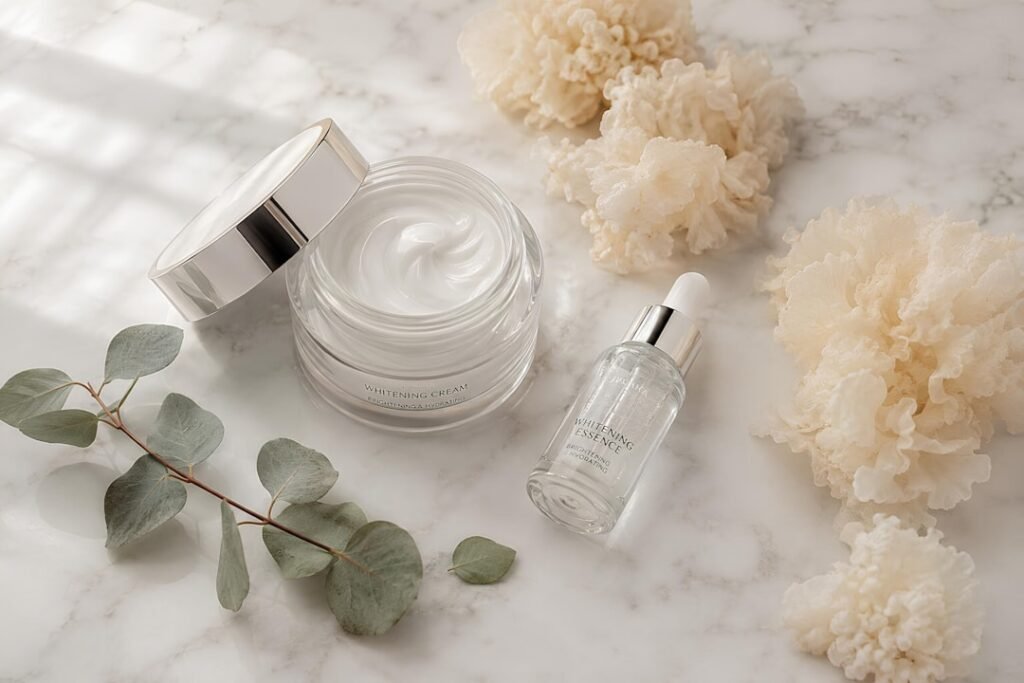
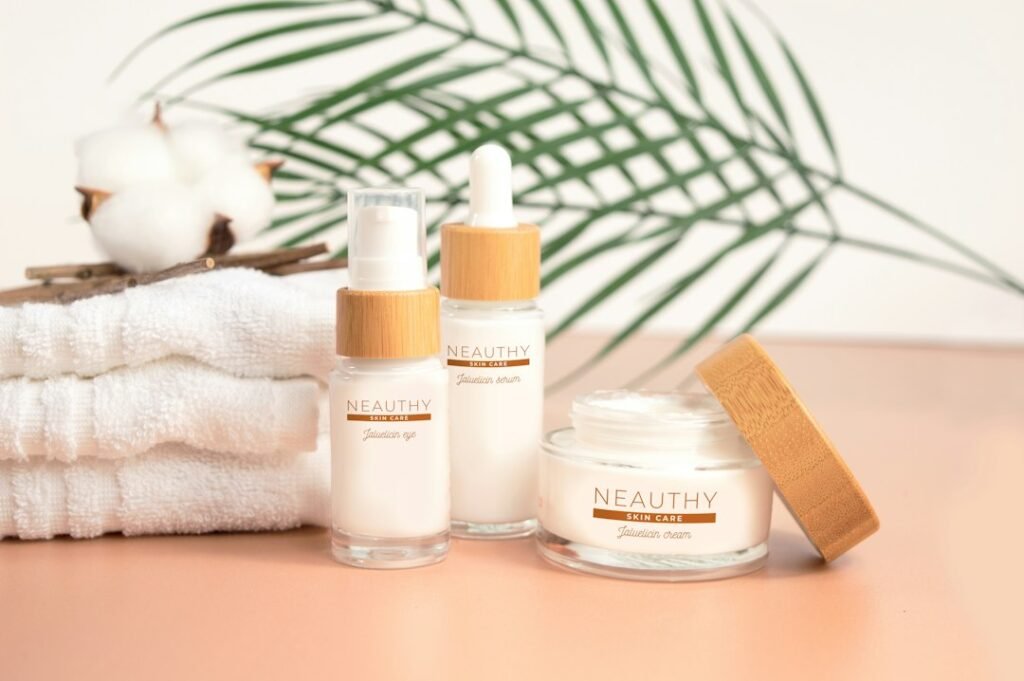
If you want a simpler route, curated skincare sets can provide complementary products that work together — for example, hydrating or anti-aging kits. Choose sets that match your skin type and avoid combining multiple strong actives at once.
The rice skincare set above is useful if your priority is gentle hydration and a coordinated routine; if your main concern is anti-aging, consider a collagen-focused set instead (see options ranked #2 and #3 in the store).

Patch testing and introducing products safely
Always patch-test new actives on the inside of the forearm or behind the ear for 48–72 hours. Introduce one new product at a time, wait two to four weeks to see its effect on skin, and reduce frequency if you experience redness, stinging, or peeling. For potent actives (retinoids, acids), start every third night and build tolerance.
Special cases and adjustments
- Acne prescription treatments: follow a dermatologist’s plan and pair with a gentle moisturizer to prevent over-drying.
- Pregnancy: avoid retinoids and certain high-dose actives; consult your healthcare provider.
- Seasonal changes: increase emollients in winter and lighten up in humid months; adjust exfoliation frequency accordingly.
How to choose between similar products on the shelf
Compare formulations, not brand names. Pick the product whose active concentration, vehicle (cream vs gel), and ingredient list match your skin’s needs and tolerance. Look for “non-comedogenic” if prone to breakouts and “fragrance-free” if sensitive. Read reviews focused on people with your skin type for real-world feedback.
Where to learn more and next steps
If you want step-by-step introductions or troubleshooting, our guide on introducing new skincare products into your routine explains schedules for adding retinoids and acids. For ingredient basics, see A Beginner’s Guide to Understanding Skincare Ingredients.
- Observe how your skin behaves after cleansing (tight, shiny, mixed zones).
- Pick one primary concern and choose one serum/active to address it.
- Select moisturizer texture to match oiliness and season.
- Choose a daily broad-spectrum SPF 30+ you’ll wear each day.
- Patch-test new actives and introduce them one at a time.
- Avoid fragrances and multiple strong actives if your skin is sensitive.
Start with the basics: a gentle cleanser, a targeted serum for one priority, a moisturizer in the right texture, and daily sunscreen. Match formula types and active strengths to how your skin actually behaves, not just to labels. Introduce products slowly and observe results before adding more.
How can I tell if my skin is sensitive or just reactive to one product?
Sensitive skin shows frequent irritation to many products and environments; a one-off reaction after a new active suggests product-specific reactivity. Patch-test to confirm and simplify your routine to identify the culprit.
Do oily skin types need moisturizer?
Yes. Oily skin still needs hydration; choose lightweight, non-comedogenic lotions or gels to balance oil production without clogging pores.
When should I use chemical exfoliants versus physical scrubs?
Chemical exfoliants (AHAs/BHAs) provide even resurfacing and are safer long-term; physical scrubs can cause microtears and are best avoided for sensitive or acne-prone skin.
Can I layer niacinamide with vitamin C?
Yes. Modern formulations tolerate niacinamide and stable vitamin C together; if irritation occurs, use them at different times of day or separate applications.
How long until I see results from a new skincare product?
Simple hydration changes can be immediate; most active-driven improvements (exfoliation, texture, pigmentation) take 4–12 weeks. Give new actives at least one month before judging.