Key result: Store perfume properly by keeping bottles capped, tucked in a cool, dark, stable spot (not the bathroom), and limit temperature, light and air exposure to preserve the fragrance.
Perfume is a blend of volatile aromatic compounds that break down with heat, light and oxygen. Store perfume properly and you’ll keep the scent true for months or years; expose it to sun, fluctuating temperatures or frequent air and you’ll notice oxidation, color change, or a “off” sour note. Below is a practical order of actions to protect fragrance longevity and how to adapt for travel or small collections.
Choose the right place: cool, dark, and stable
The single most important decision is location. Aim for a place that stays cool (ideally 55–72°F / 13–22°C), dark and with minimal temperature swings.
- Best spots: an interior closet shelf, a bedroom drawer, or a dresser drawer away from windows and heating vents.
- Bad spots: bathrooms (heat and humidity spikes), windowsills (direct sunlight) and near radiators or ovens.
- Keep bottles upright to reduce contact between the fragrance and any metal parts; leaning or shaking exposes more surface to air.
Keep light and heat from breaking down scent molecules
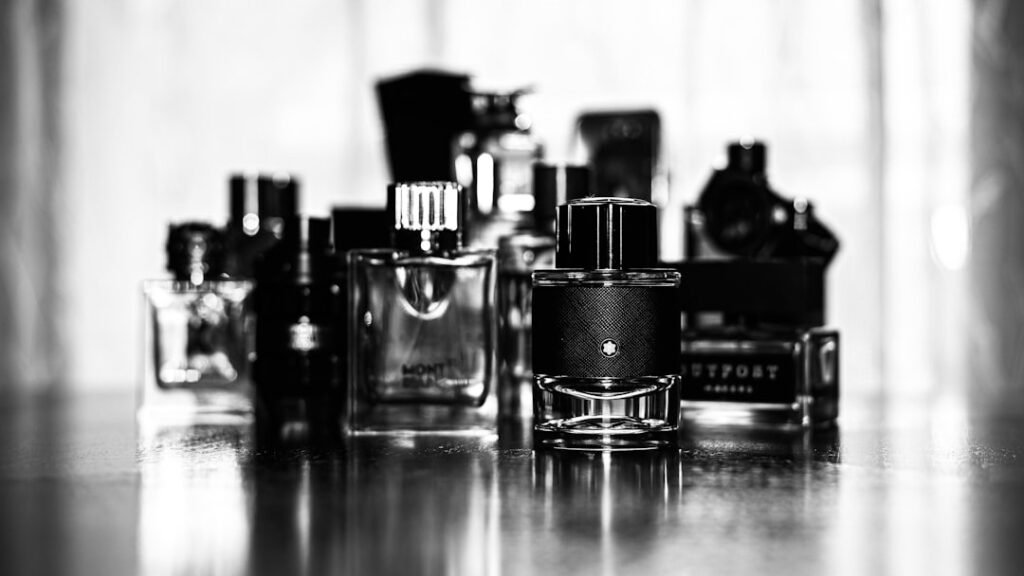
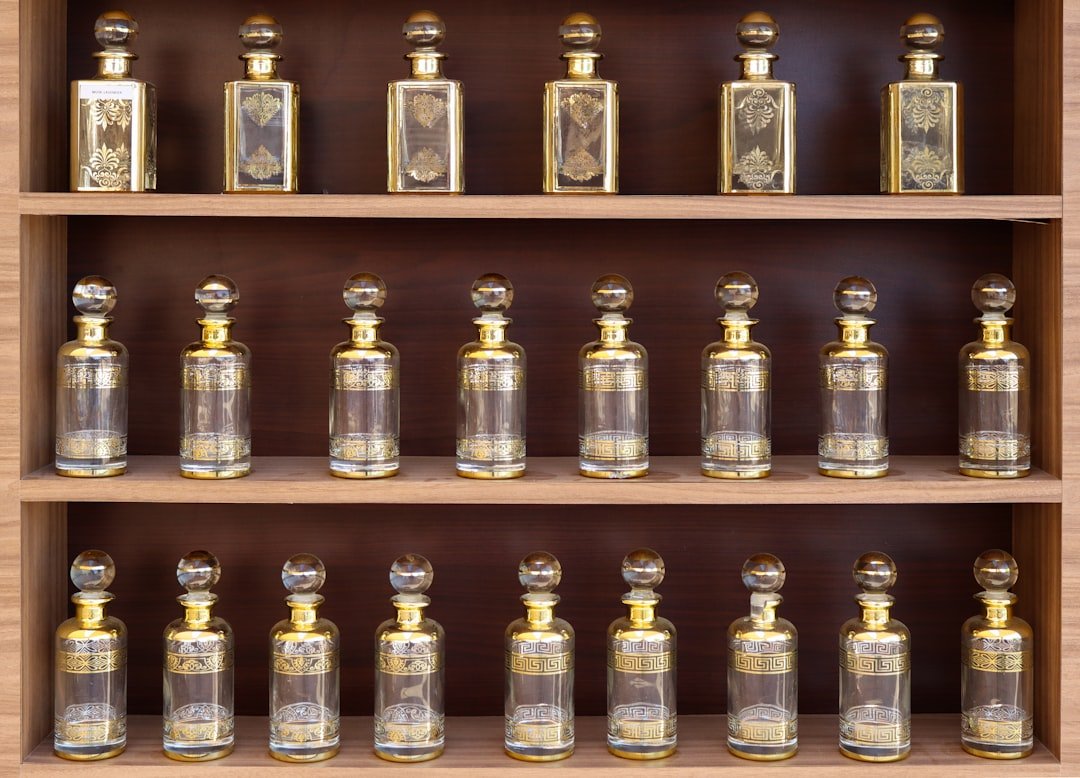
Ultraviolet light and heat accelerate chemical reactions that change perfume notes. Clear bottles, while beautiful, are especially vulnerable.
- Store in original boxes when possible — the cardboard and lining block light and offer a secondary thermal buffer.
- If keeping on display, pick tinted bottles and place them away from direct or indirect sun; use a shaded shelf or cabinet with a door.
- For long-term storage of prized bottles, a wine fridge set to non-freezing cool temperatures can work well; avoid true freezing temperatures that can break emulsions or change texture.
Limit air exposure: keep caps on and minimize opening
Oxygen slowly oxidizes perfume compounds, flattening fresh top notes and introducing sour or sharp facets.
- Always replace the cap immediately after use; if a spray has a stopper, push it back firmly to maintain the seal.
- Avoid transferring fragrance into larger open-neck containers; when decanting, use small airtight atomizers and use them within months.
- For value bottles you use daily, try to avoid excessive spraying or repeated opening; apply from the atomizer rather than pouring.
When refrigeration helps — and when it doesn’t
Refrigeration is sometimes helpful for natural, oil-based or vintage perfumes stored long-term, but it isn’t necessary for most modern alcohol-based fragrances.
- Items to store briefly in the fridge: vintage perfumes, high-concentration oils, and rare natural extracts.
- How to refrigerate: use a clean, dedicated section of a refrigerator set to consistent cool temperatures and keep bottles sealed and boxed. Avoid the refrigerator door where temperatures fluctuate.
- Skip refrigeration if you open the bottle frequently — repeated cold-to-warm cycles stress the formula. Modern designer scents are formulated for normal room conditions and do fine in a cool, dark cabinet.
Practical bottle care: choose sprays, watch the neck, and decant smartly
Packaging affects longevity. Sprays expose less surface area than splash bottles and allow controlled application.
- Prefer spray/atomizer bottles for everyday use—less air entry per spray and no need to pour.
- Check seals and atomizers for dryness or clogging; clean a clogged nozzle with a cotton swab dipped in warm water and dry thoroughly.
- Decanting: transfer only as much as you’ll use within a few months into small dark glass atomizers or sample vials to avoid wasting the original bottle’s integrity.
How to store while traveling or during seasonal rotations
When moving perfumes often, minimize temperature swings and shock. Use padded pouches inside carry-on luggage; checked baggage sees wider temperature variation and pressure changes.
- Use TSA-compliant decants for travel and keep them upright inside a zip pouch or toiletry organizer.
- For seasonal rotation—keep the majority of your collection boxed in a closet and leave one or two currently-used bottles accessible.
- Label decants with the name and date decanted so you can track freshness.
If a perfume smells “off,” apply these checks in order to diagnose:
- Check storage: was it exposed to light, heat, or humidity? If yes, the shift may be irreversible.
- Smell the cap and atomizer: sometimes residue or contamination causes sour notes; clean external parts before deciding the perfume is ruined.
- Color change: deepening or browning often signals oxidation; the perfume may still be usable but altered in character.
- Age expectations: artisanal or natural perfumes often have shorter shelf lives than modern synthetics—if a bottle is more than 5–10 years old, expect changes.
Product recommendation for safe decanting and storage
If you regularly rotate fragrances or travel, a reliable set of small atomizers makes decanting practical and preserves the main bottle.
Where this advice matters most: priority checklist before you store
Before you tuck a bottle away, answer these: Is the spot stable in temperature and darkness? Is the bottle sealed and upright? Will you open it frequently? If the answer to any is no, change the storage plan.
- Choose an interior, cool, dark spot (not the bathroom).
- Keep bottles upright and capped immediately after use.
- Store in original boxes when possible to block light.
- Decant only into small airtight atomizers and label them.
- Avoid refrigeration unless for vintage or oil-based formulas; use stable refrigerator interior only.
Protecting perfume is mostly about environment: stable, cool and dark conditions plus limiting air exposure will keep fragrances true far longer than extravagant measures. For travel or rotation, decant into small sealed atomizers and store the rest boxed in a closet.
Can I keep perfume in the bathroom?
No—bathrooms experience heat and humidity spikes that accelerate fragrance breakdown; use a bedroom drawer or closet instead.
Will refrigeration ruin perfume?
Refrigeration isn’t necessary for most modern perfumes and can be harmful if the bottle undergoes frequent temperature changes; it’s useful mainly for vintage or natural oil-based formulas stored long-term.
How long does perfume last if stored properly?
Properly stored, many alcohol-based perfumes remain stable for 3–5 years; some modern formulations can last longer, while natural perfumes may change in 1–3 years.
Is it worth keeping the original box?
Yes—the box provides light protection and a buffer against temperature changes, which helps extend fragrance life.
When should I decant a perfume?
Decant for travel or to keep the main bottle sealed when you only need a small amount over a few months; use dark, airtight atomizers and label them with date and name.