Experienced fragrance wearers know that where you spray matters more than how much you spray. A few well‑chosen placements and small temperature-aware habits often produce a far stronger, longer-lasting presence than over-spraying the air or dousing clothing.
Quick answer: where to apply perfume for the best, longest-lasting scent
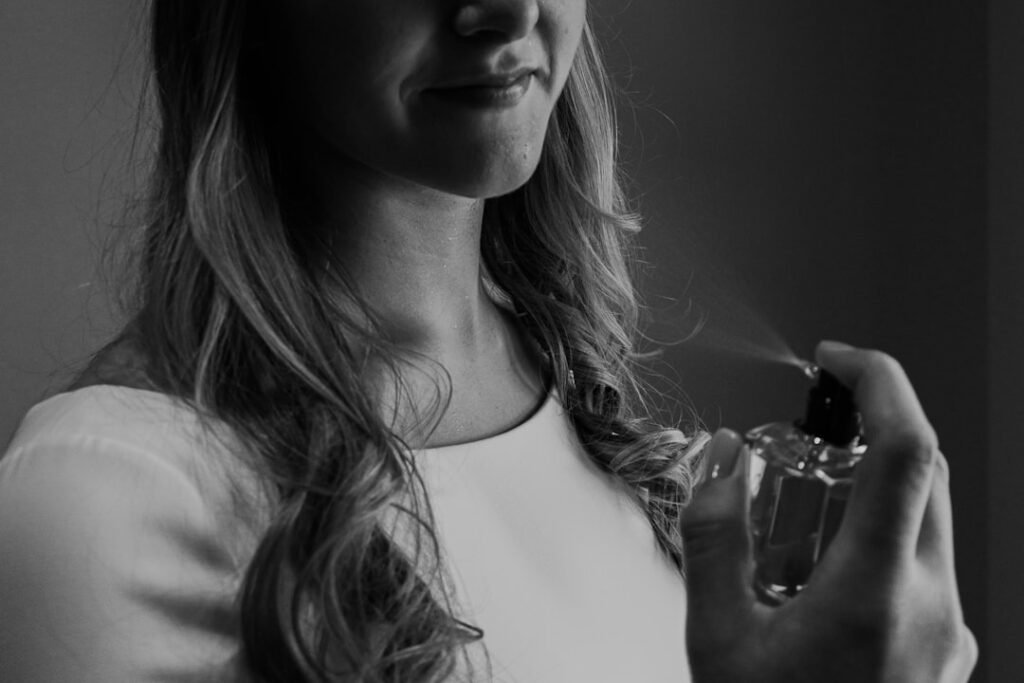
Apply perfume to warm, vascular areas—commonly called pulse points—such as the wrists, inner elbows, base of the throat (clavicle) and behind the ears. For added longevity, lightly mist hair and fabrics (with care), and use scent layering: fragrance-friendly moisturizer first, then your perfume. These steps maximize scent throw and staying power without overwhelming the room.
Why temperature and skin chemistry matter more than volume
Perfume evaporates; warmth speeds that evaporation and lifts the top notes into the air. That’s why pulse points—where blood vessels are close to the skin—act like tiny scent warmers. Your natural skin oils and pH also change how a fragrance develops, so small, targeted sprays let the perfume unfold as intended. Spraying everywhere just wastes product and can make the scent smell thin or harsh.
Best spots to spray and why they work
- Wrists: Easy to control and smell throughout the day; perfect for a single quick re-spray. Avoid rubbing wrists together—rubbing breaks down the scent molecules and flattens the fragrance.
- Inner elbows and crook of the arm: Less exposed than wrists, these areas hold scent well because they’re sheltered and stay warmer under clothing.
- Base of throat / clavicle: A central warm area that gives fragrance a natural lift as you move, ideal for daytime or office wear.
- Behind the ears: A subtle placement good for intimate proximity—keeps scent personal rather than projecting across a room.
- Back of the knees (for long dresses/skirts): Often overlooked, this is excellent for hot weather or when sitting; movement pushes scent upward and increases longevity.
When to spray hair, clothing or accessories
Hair: Hair holds scent well because fibers trap fragrance. Spray from a distance (6–8 inches) to avoid alcohol damage and focus on ends rather than roots. If your perfume is alcohol-heavy or there’s a dyed/fragile condition, prefer a hair mist or a few drops of a hair oil mixed with a tiny amount of perfume.
Clothing and scarves: Fabrics—especially wool, silk and cashmere—can hold fragrance for days. Spray from a distance and test an inconspicuous spot first; some perfumes contain oils or colorants that can stain. Avoid delicate materials like acetate or embellished areas.
Layering and prep: how to make fragrance last longer
Layering boosts longevity while keeping the fragrance balanced.
- Start with unscented or lightly scented moisturizer: Hydrated skin holds fragrance better because oils slow evaporation. Use an unscented or matching-scent body lotion where possible.
- Match product families: If you have a body wash, lotion or deodorant in the same line, use them together for a coherent base that extends life without becoming cloying.
- Apply perfume after dressing mild layers: Spraying directly on skin gives the best development. If you spray on clothes, do so lightly after dressing to reduce transfer and spotting.
Application amounts and timing for different use cases
- Everyday office wear: One spray to the clavicle and one behind an ear—subtle but present. Choose eau de parfum or an eau de toilette depending on strength and workplace culture.
- Evening or special events: Pulse points plus a light hair mist or fabric spritz. Use slightly more concentrated formulations for better longevity.
- Hot weather: Less is more—apply to inner elbows or back of knees to keep projection gentle while preserving staying power.
- Long travel days: Layer: light lotion at morning departure, a targeted spray mid-morning and a small refresh before arrival; carry a sample or travel spray to avoid overpacking full bottles.
Common mistakes that reduce perfume longevity
- Rubbing wrists together after spraying—this crushes volatile compounds and flattens the scent.
- Spraying too high in the air and walking through it—most of the perfume dissipates before reaching skin.
- Storing bottles in direct sunlight or a steamy bathroom—heat and light degrade fragrance oils.
- Over-relying on clothing only—fabrics can hold scent but won’t show its full character the way skin does.
When a product makes sense—recommendations
If you want a focused product to practice targeted application, try Osmotics Blue Copper 5® Anti-Aging Body Lift – Firming & Tightening Copper Peptide Body Cream for Crepey Skin, Stretch Marks & Loss of Firmness on Bust, Belly, Waist, Thighs & Behind, 5 oz to test texture and how a cream pairs with your fragrance on different areas.
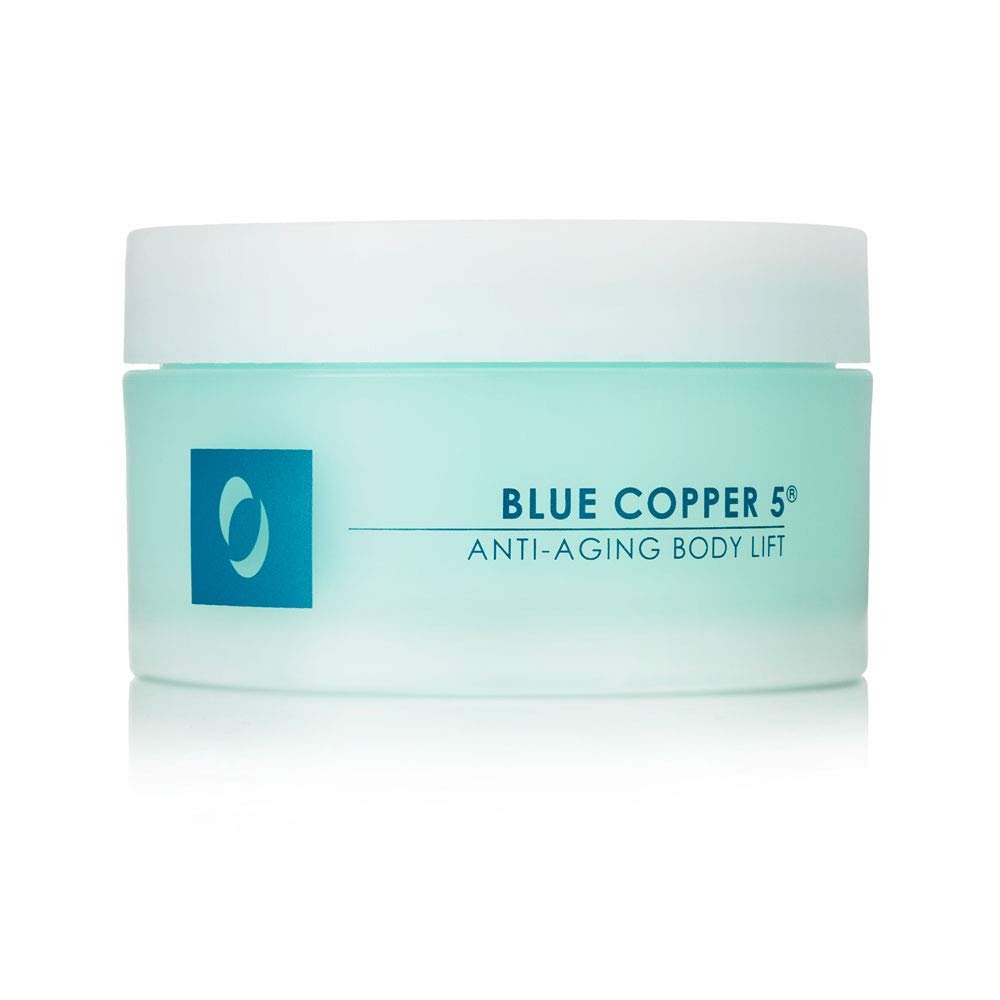
Osmotics Blue Copper 5® Anti-Aging Body Lift – Firming & Tightening Copper Peptide Body Cream for Crepey Skin, Stretch Marks & Loss of Firmness on Bust, Belly, Waist, Thighs & Behind, 5 oz
A catalog product selected because it closely matches this part of the beauty guide.
Fragrance etiquette and practical tips
- Be mindful of others—strong projection in confined spaces can be intrusive. Adjust placement and quantity accordingly.
- Reapply in a controlled way—aim for the same pulse points rather than experimenting mid-day with completely different spots.
- Rotate heavy and light fragrances seasonally—oils and richer bases perform better in cold weather; citrus and green notes read fresher in heat.
Related reading
For more on how scents develop and how to care for bottles, see A Beginner’s Guide to Understanding Perfume Notes and How to Properly Store Perfume and Protect Its Fragrance.
- Spray on clean, moisturized skin—prefer warm pulse points.
- Avoid rubbing sprayed areas; let the scent settle naturally.
- Test sprays on a small fabric area before misting clothes.
- Use a hair mist or ends-only spray if you want longer projection.
- Carry a sample or travel spray for controlled midday refreshes.
Focus on warmth and hydration: apply perfume to pulse points, layer with compatible moisturizers, and use hair or fabric sparingly for added staying power. Targeted, mindful application yields stronger, longer-lasting results than heavy, indiscriminate spraying.
Can I spray perfume directly on my clothes?
Yes, but test first to avoid staining and spray from a distance to reduce concentrated wet spots; fabrics like wool and silk hold scents well, while synthetics may smell different.
Is it true rubbing wrists ruins perfume?
Yes—rubbing accelerates evaporation and alters the fragrance’s development; let sprays dry naturally on the skin.
Should I use perfume on my hair?
Hair holds scent nicely, but alcohol in perfumes can dry hair; mist from a distance onto ends or use a dedicated hair mist or scented hair oil.
How many sprays are appropriate for everyday wear?
Usually 1–3 targeted sprays (wrists, clavicle or behind an ear) are enough; adjust based on concentration and environment.
Does skin type affect perfume longevity?
Yes—oily skin tends to hold fragrances longer than dry skin; using an unscented moisturizer can help dry skin retain scent better.