What really matters about perfume notes — and what you can safely ignore
If your question is simply "how do perfumes smell over time?" the single useful answer is: perfume notes describe how a fragrance changes from first spray to hours later. You should focus on three practical facts: the top (first impression), the heart (the core personality after 10–60 minutes) and the base (what lingers for hours). You can safely ignore marketing-heavy descriptions that promise a “luxurious lifestyle” or long lists of every tiny ingredient; concentrate on the main notes and the fragrance family instead.
Understanding perfume notes — the quick map
The fragrance pyramid is the simplest tool: top, heart (middle), base. It explains sequence and longevity.
- Top notes: Citrus, light herbs, or effervescent aldehydes. They arrive immediately and dissipate within 5–30 minutes. They tell you whether you’ll like the opening, not whether you’ll love the scent all day.
- Heart notes: Florals, spices, or green accords. They form the character of the fragrance and appear as the top notes fade—usually 10–60 minutes in.
- Base notes: Woods, resins, musk, vanilla. These are heavy, slow to appear, and define the scent’s lasting impression and warmth.
How to read a perfume note list when shopping
When you see a note list, read it as a roadmap, not a checklist. Look for two things first: at least one recognizable anchoring base (e.g., sandalwood, vetiver, vanilla) and the primary heart note(s) that define the scent family (e.g., rose for a rosy floral, leather for leathery fragrances).
If the top notes are mostly citrus or ozonic accents, expect a lighter, fresher opening that may be short-lived. If the heart lists tuberose, jasmine, or spicy cardamom, you’ll likely get a richer, more opulent core. If patchouli, amber or musk are present in the base, plan for longevity and warmth.
Practical testing: how to sample without wasting time
Most beginners over-spray or judge too quickly. Follow a simple routine:
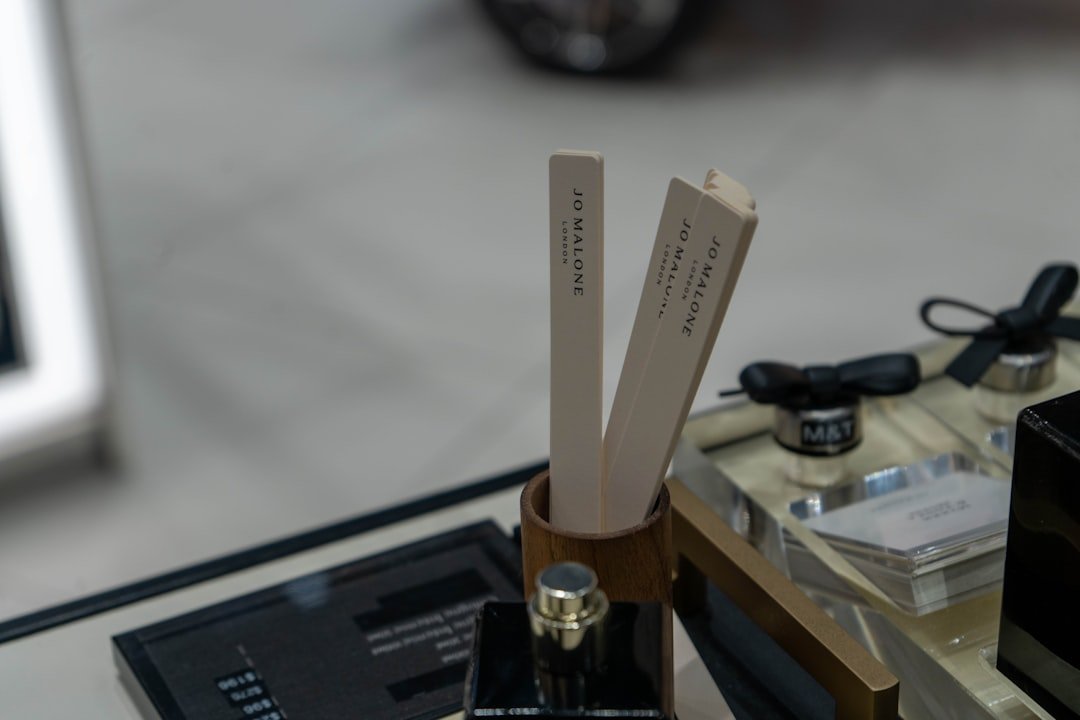
- Use a single scent strip or your skin—preferably your wrist. Avoid both on the same arm; heat alters the scent.
- Spray once or dab a sample and wait 10–15 minutes before deciding. The heart is the honest part to evaluate.
- Smell again after two hours if you can—the base will reveal how the fragrance sits with your skin chemistry.
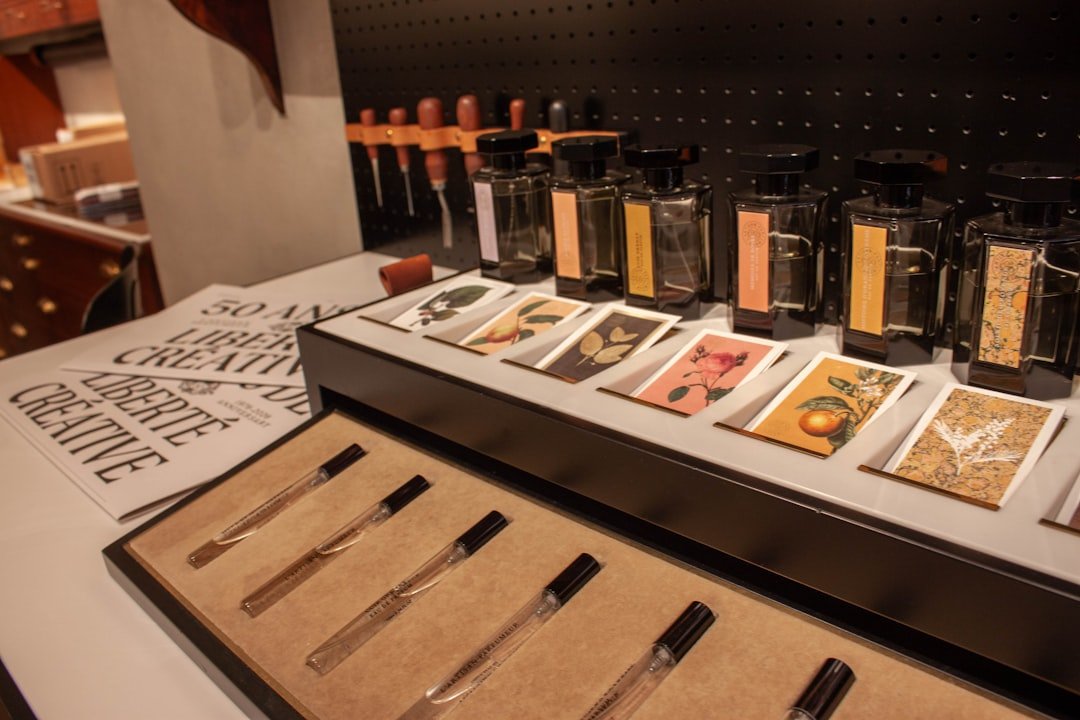
How skin chemistry affects notes
Body chemistry, diet, and even medications change how notes develop. A single perfume can smell powdery and soft on one person and more resinous on another. That’s why sampling is essential—readers often waste money by buying blind. If a fragrance dries down to a note you dislike (e.g., heavy musk, synthetic oud), it won’t improve on your skin even if it smelled great on a strip.
Choosing a fragrance family to start with
Picking a family narrows choices quickly. Here are friendly entry points for beginners:
- Citrus/Fresh: Light, daytime, good for people who want clean, easy wear.
- Floral: Versatile—range from airy to intense. Roses and jasmines are common heart notes.
- Oriental/Warm: Vanilla, amber, and spices—better if you prefer cozy or evening scents.
- Woody/Chypre: Earthy, structured, often longer-lasting and suitable for cooler weather.
Perfume concentration matters — Eau de Toilette vs. Parfum
Concentration affects perceived strength and how pronounced base notes will be:
- Eau de Cologne / EDT: lighter, more top-focused.
- Eau de Parfum: stronger heart and base presence; mid-range longevity.
- Parfum / Extrait: highest concentration; base notes and depth dominate.
If you want a reliable sense of a fragrance’s core, test the EDP or parfum versions if available—EDTs can sometimes seem leaner than the full concentration.
When a discovery set makes sense (and a product to try)
If you’re still exploring families or worried about buyer’s remorse, a curated sample set is the most cost-effective route. It lets you hear a scent’s whole story across several hours before committing.
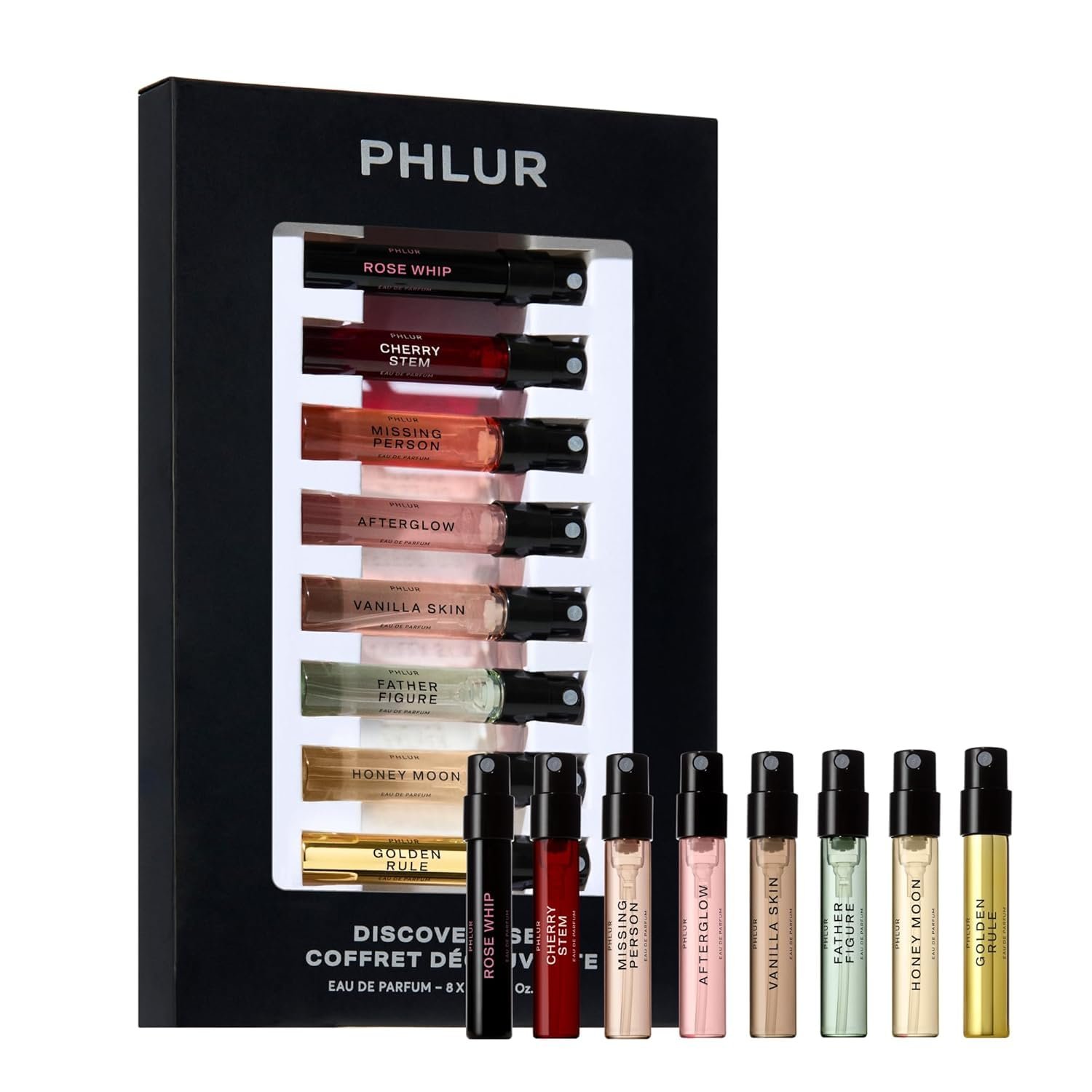
PHLUR Fragrance Discovery Set (2026) - 8pc Perfume Sample Set
A catalog product selected because it closely matches this part of the beauty guide.
Why this product fits
A mixed sampler set gives several complete 1–2 day tests across different scent families so you can compare heart and base notes on your skin without buying full bottles.
- Test one fragrance at a time; wait 10–15 minutes before assessing.
- Always try on skin—strips lie about dry down.
- Note the dominant heart and base notes, not only the bright opening.
- Consider climate and wardrobe: light citrus for heat, woods/amber for cool months.
- Use a sample set to compare several families before buying a full bottle.
Understanding perfume notes means learning the sequence (top, heart, base) and prioritizing the heart & base when testing. Use a curated sample set to discover how different families interact with your skin before committing to a bottle.
How long should I wait before deciding if I like a perfume?
Wait at least 10–15 minutes to judge the heart, and revisit after two hours to confirm the base and longevity.
Do scent strips accurately show notes?
Strips show top and some heart notes but don’t capture skin chemistry; always test on your wrist before buying.
Can I layer fragrances to change notes?
Yes—layering a lotion with vanilla under a floral can warm the dry down, but test combinations first to avoid clashing bases.
Are natural notes always better than synthetic ones?
No—synthetics can add stability, lift, or ethical alternatives (e.g., synthetic musk) and often improve longevity and consistency.
What’s the best season to wear woody or oriental fragrances?
Woody and oriental fragrances perform best in cooler weather when their base notes have space to bloom—autumn and winter are ideal.