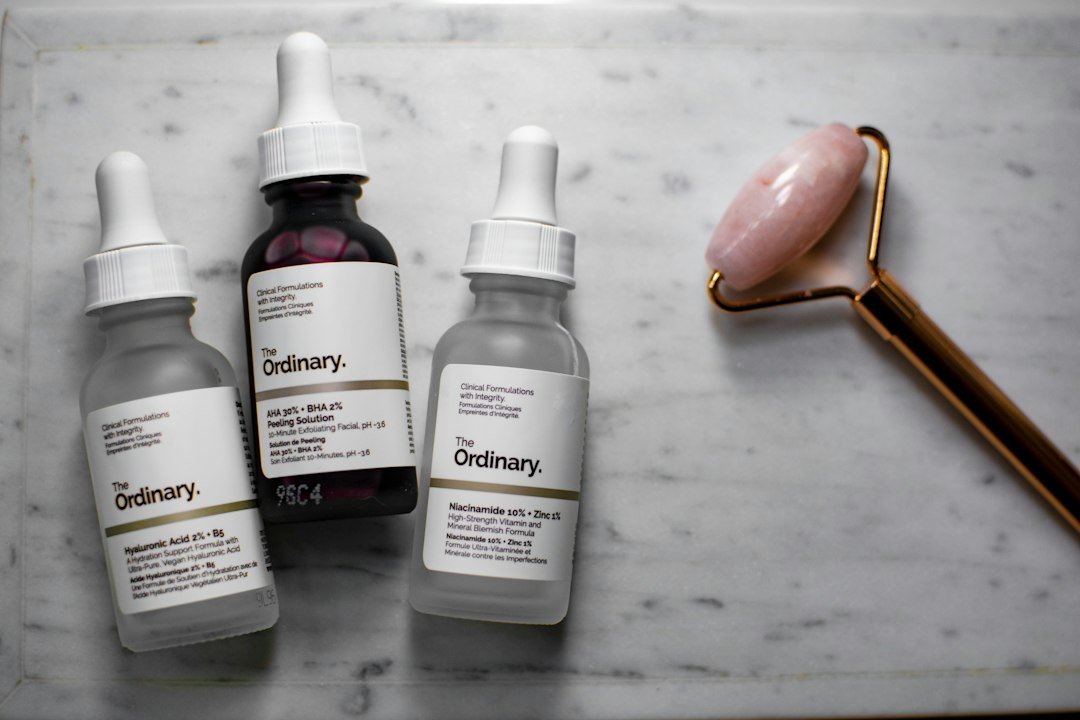
Start with the look you want: smooth, even, long-lasting makeup
If you want makeup that sits well, blends evenly and lasts, the real work happens before any foundation brush touches the skin. To prepare skin before makeup is to build a predictable base: remove dirt and excess oil, address texture, lock in hydration, and protect or blur strategically so pigment and powders behave as intended. Below is a practical sequence you can follow in under 10–15 minutes, adjusted for dry, oily, sensitive or acne-prone skin.
Step-by-step routine to prepare skin before makeup
1. Cleanse: remove residues without stripping
Start with a gentle cleanser matched to your skin type. For oily or makeup-heavy days, use a gel or cream cleanser to remove oil and foundation traces; for dry or sensitive skin, a mild cream or micellar cleanser preserves moisture. Rinse with lukewarm water and gently pat dry—never rub. A clean surface allows products to absorb and prevents pilling under makeup.
2. Exfoliate when needed (2–3 times weekly)
Exfoliation reduces flaky texture and helps foundation apply smoothly. Use a chemical exfoliant (AHA/BHA) or a very gentle physical exfoliant depending on tolerance. Only exfoliate if your skin is not reactive and avoid doing it on the same day you use retinoids or harsh actives. If you have visible dry patches, a quick lightweight exfoliation the evening before is usually enough.
3. Tone or hydrate: rebalance the surface
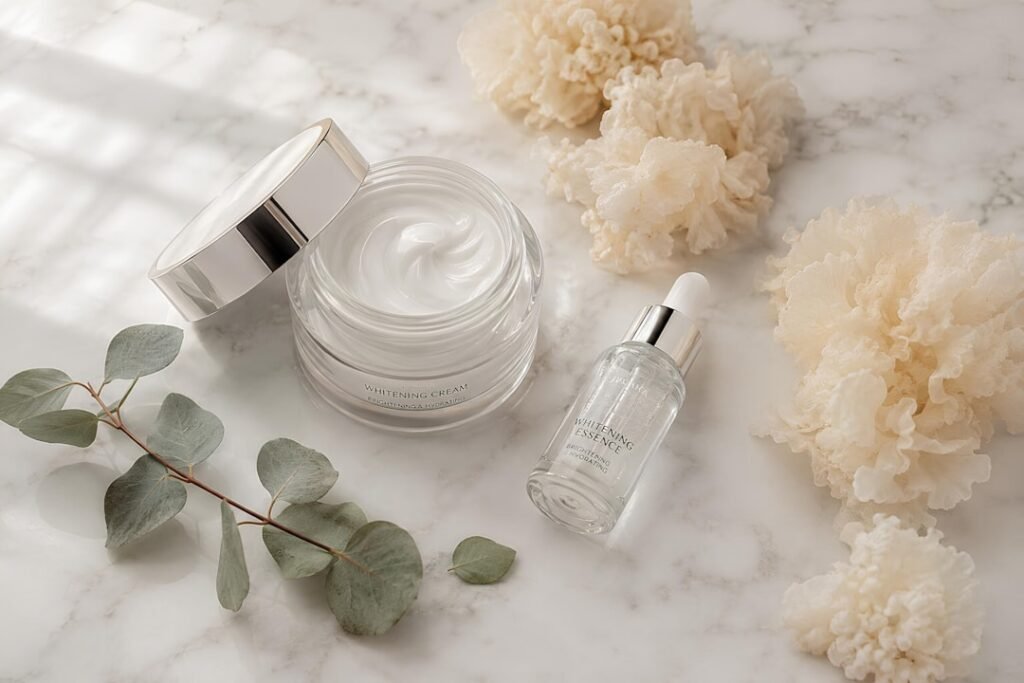
Apply a hydrating toner or essence to restore pH and add a thin layer of moisture. This step is particularly helpful for combination skin where T-zone oiliness contrasts with cheek dryness—select an alcohol-free formula. Tap it in rather than rubbing to maintain an even surface.
[hline]
4. Target treatments: serums and spot care
Apply actives next—vitamin C for brightness, niacinamide for enlarged pores and oil control, hyaluronic acid for quick hydration. Use only one or two targeted serums to avoid layering conflicts. For active acne or persistent redness, use spot treatments but allow full absorption before continuing.
5. Moisturize with timing in mind
Moisturizer is essential for all skin types—even oily skin needs balanced hydration. Use a lightweight, oil-free lotion for oily or acne-prone skin and a richer cream for dry skin. Apply while serums are slightly tacky so the moisturizer locks them in. Wait 30–60 seconds for absorption; if it still feels overly slippery, press with a tissue or give an extra minute—too-wet skin will cause foundation to slide or streak.
6. Sunscreen: protect, then set
If you’ll be outdoors at all, sunscreen is non-negotiable. Use a broad-spectrum SPF 30+ and let it absorb for at least a minute. If you’re using a chemical sunscreen that reacts with makeup, try a mineral sunscreen or a primer with SPF built in. When layering, apply sunscreen after moisturizer but before makeup primer.
7. Prime smartly for your skin’s needs
Primers do different jobs: hydrating primers smooth dry areas, silicone-based primers blur pores and fine lines, mattifying primers control shine. Choose one primer for your main concern and apply a thin, even layer only where needed—forehead and nose for oil control, cheeks for smoothing. Over-priming can create a barrier that prevents foundation from adhering properly.
How to adapt this routine for common skin challenges
Oily or combination skin
Use a balancing cleanser, a lightweight gel moisturizer and a mattifying or pore-minimizing primer in the T-zone. Blot excess oil midday instead of reapplying powder repeatedly, which can cake.

Dry or dehydrated skin
Skip harsh exfoliation the same day as makeup. Layer a hyaluronic serum under a richer moisturizer, and use a hydrating/silicone-blend primer to create a satin base that prevents foundation from clinging to flakes.
Sensitive or reactive skin
Stick to fragrance-free, minimal-ingredient products. Patch-test any new primer or serum 24–48 hours before use. Avoid physical exfoliants and strong acids right before makeup application.
Acne-prone skin
Use non-comedogenic, oil-free base products. Apply spot treatments and allow them to settle; consider a light, oil-controlling primer around active blemishes to reduce shine without disturbing medication layers.
Why this product: a compact electric brush cleaner simplifies brush hygiene, which directly affects how cleanly and evenly makeup applies—especially important when preparing skin for flawless foundation.
Troubleshooting common prep problems
- Foundation pilling or flaking: Usually caused by incompatible product textures or not allowing layers to absorb. Reduce layers, wait longer between steps, or switch to thinner serums.
- Makeup sliding off midday: Underlying oil or inadequate primer. Use a mattifying primer in oily areas and set with a light powder.
- Patchy coverage over dry spots: Exfoliate regularly, use richer moisturizer, and apply foundation with a damp sponge to press product into the skin.
- Makeup clinging to pores: Use a pore-blurring primer and avoid heavy creams in those areas; buff foundation in with a dense brush or stipple with a sponge.
Quick routine checklist before you start your makeup
Use the list below as a final run-through before applying foundation.
- Is my face clean and oil-free? (wash if not)
- Did I treat any active concerns (serum/spot care) and wait a moment?
- Is my moisturizer absorbed or still slippery?
- Did I apply SPF if needed and let it settle?
- Am I using a primer suited to my skin zone (mattify vs. hydrate)?
Building a predictable pre-makeup routine saves time and prevents common makeup problems. Focus on one targeted treatment, appropriate hydration, and a primer that addresses your primary concern—then apply foundation to a calm, even surface.
Can I skip moisturizer if I have oily skin?
No; oily skin still needs lightweight hydration. Skipping moisturizer often causes the skin to overproduce oil, making makeup less stable.
How long should I wait after moisturizer before applying foundation?
Usually 30–60 seconds; if the moisturizer feels tacky, wait an extra minute or gently blot with a tissue so foundation doesn’t slide.
Should I always use a primer before foundation?
Not always—if your moisturizer gives a great finish and you’re not dealing with shine or large pores, primer is optional. Use it when you need targeted benefits.
Is sunscreen necessary under makeup?
Yes—apply a broad-spectrum SPF 30+ every daytime. If your makeup has SPF, it may not provide enough or even coverage, so use a dedicated sunscreen underneath.
Will serums interfere with makeup?
Most lightweight serums absorb quickly and enhance makeup application; avoid heavy oils or silicone-rich serums that can affect foundation adhesion.