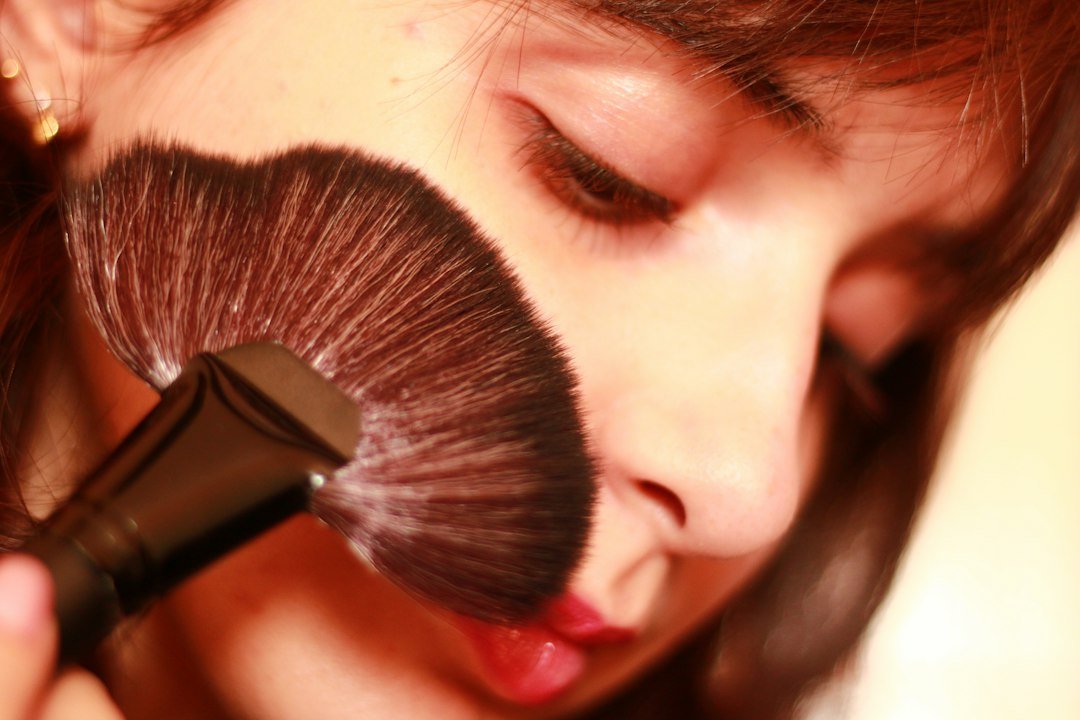
Start with the look you want: smooth, pore-blurred skin that lasts from morning to evening
To make your makeup look smooth and long-lasting, begin by treating the base as a short, efficient engineering problem: clear any texture that will catch product, deliver even hydration, choose compatible formulas, apply with the right tools and lock everything in place. The steps below walk you through that process in order so the finished makeup actually looks like skin, not a mask.
Prepare skin so products sit smoothly
Good makeup starts with the skin surface. Cleanse with a gentle, non-stripping cleanser to remove oil and residue. If you have dry patches or flakiness, exfoliate once or twice a week (chemical exfoliant like a BHA or gentle AHA is usually less disruptive than rough scrubs).
After cleansing, apply a lightweight moisturizer targeted to your skin type. Oily skin benefits from gel or oil-free lotions; dry skin needs richer creams or a face oil spot-applied to cresting dry areas. Give moisturizer a minute to absorb—makeup clumps on tacky product.
Use a primer to smooth texture and control oil
Primers aren’t mandatory, but the right one makes a noticeable difference. For visible pores or uneven texture, use a silicone-based pore-filling primer only where needed (nose, cheeks). For dry or textured skin, a hydrating primer or one with light-reflecting particles gives a smoother appearance. For oily skin, a mattifying primer that controls shine extends wear.
Choose foundation and formulas that match your skin and the finish you want
Not every foundation plays well with every skin type. If you want a smooth, natural finish that lasts:
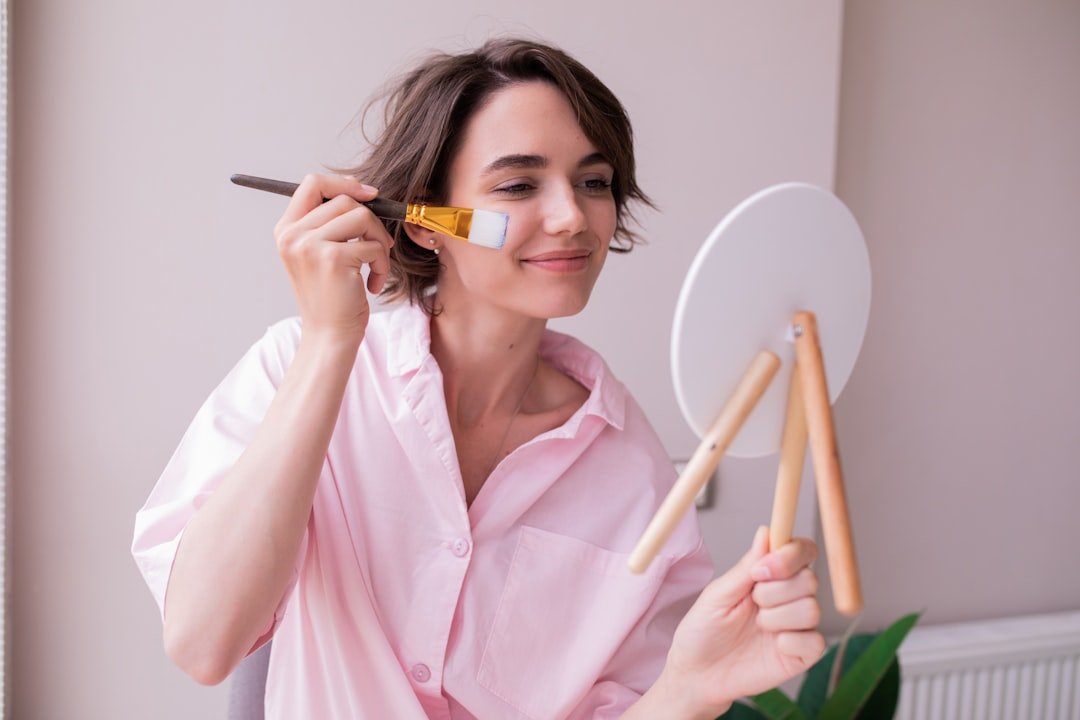
- Pick a foundation matched to your skin type: water-based or hydrating formulas for dry skin; oil-free or mineral formulas for oily skin; long-wear liquid or cream-to-powder for combination or humid conditions.
- Opt for medium coverage if you want natural skin texture to show through; heavier coverage can emphasize texture unless well-prepared.
- Test shade and undertone in natural light—oxidation or wrong undertone makes the finish look uneven and draws attention.
Apply in thin layers and focus on blending
Less product, better blending. Apply foundation in thin layers and build coverage only where needed. Use tools that suit the formula:
- Dense synthetic brush (buffing brush) for cream or thicker liquids—use circular motions to press product into skin for a seamless finish.
- Damp sponge for a natural, skin-like finish—bounce the sponge to press and sheer out product rather than wiping.
- Fingers work for tinted moisturizers and creams because the warmth helps melt product into skin, but follow with a light buff if texture appears.
Conceal only after foundation where necessary to avoid piling. A thin layer of concealer set well will look more seamless than heavy application.
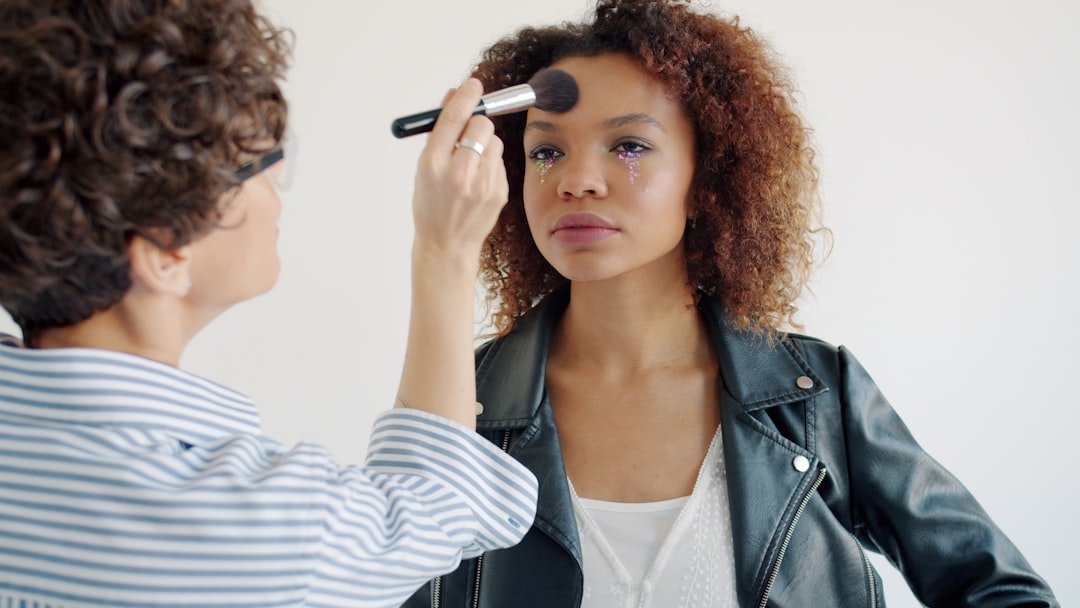
Set strategically—powder where needed, leave dewy where you want glow
Setting powder extends wear but can mattify the skin. Use a small amount:
- Press translucent powder with a small puff into areas that crease or get oily (T-zone, under-eye, smile lines). Pressing prevents displacement that sweeping motions cause.
- Use a large fluffy brush to dust a light layer over the rest of the face only if you need it—too much powder flattens dimension.
- For dry skin, consider a setting spray instead of—or in addition to—a light powder to avoid a cakey look.
Set the whole face with a mist for cohesion and durability
A quality setting spray finishes the job by dissolving excess powder and slightly re-wetting the surface so foundation and powders meld. Hold the bottle 8–12 inches away, mist twice in an X and T pattern, and allow it to air dry. Choose a long-wear formula in humid weather or for special events.
Tools and maintenance that keep makeup smooth day after day
Clean tools = smooth application. Dirty brushes and sponges trap oil and product and deposit it unevenly. Clean brushes weekly and deep-clean sponges as often as every 1–2 weeks depending on use. If you’re short on time, use a quick-dry brush cleaner between uses.
Replace old complexion products that separate, smell off, or change texture—expired products can apply patchily.
Troubleshooting common problems
Patches of cakey or flakey product
Cause: product applied over dry skin or over-exfoliation. Fix: gently buff skin with a damp sponge to soften edges, then mist with setting spray. For persistent flakes, remove product from the area, add a thin layer of moisturizer, then reapply sparingly.
Makeup creasing in fine lines
Cause: product settling into lines. Fix: use a lightweight concealer or thin foundation in that area, press powder lightly only in the crease, and finish with a quick mist of setting spray.
Foundation separates or slides during day
Cause: oil breakthrough or incompatible formulas. Fix: blot excess oil with blotting papers, press a small amount of translucent powder, and reapply a light mist of setting spray. For future wear, pair oil-control primer with a long-wear formula.
When to bring in a specific product
If you frequently struggle with uneven texture, a pore-filling primer used selectively will help more than extra foundation. If your brushes are overdue for replacement or you need easier hygiene, consider an electric brush cleaner to speed maintenance.
Further reading
For related routines and care tips, see How to Prepare Your Skin Before Applying Makeup and How to Properly Clean and Care for Your Makeup Brushes.
- Face cleansed and moisturized, no tacky residue.
- Primer used only where it solves an issue (pores, oil, dryness).
- Foundation applied in thin layers and blended with the right tool.
- Areas that crease or get oily pressed with translucent powder.
- Full-face mist of setting spray to meld products.
- Blotting papers and a small powder compact ready for touch-ups.
Smooth, long-lasting makeup is less about masking and more about preparation, product choice and restraint. Target problem areas (pores, oil, dry patches) with specific products, apply in thin layers with clean tools, and finish with strategic powdering and a setting spray.
Does primer make makeup last longer?
Yes—when chosen to address your main issue (mattifying for oil, hydrating for dry skin, pore-filling for texture) a primer improves wear and the finish.
How often should I powder my face during the day?
Only where needed: blot oil first, then press a small amount of translucent powder into the shiny areas to avoid a patchy, layered look.
Is a setting spray necessary?
Setting spray is optional but highly effective at unifying products and reducing powderiness; it’s especially helpful in humid conditions or for long days.
Can I make makeup look smoother without primer?
Yes—skin prep (hydration, exfoliation), thin layered application and a damp sponge can produce a smooth result without primer, but primers make problem areas easier to manage.
How do I prevent foundation from emphasizing texture?
Use a lightweight formula, thin layers, and blend well; avoid heavy powders over textured areas and use pore-filling primer selectively if texture persists.