Short answer: Pick the finish that solves your top skin problem and fits how long and how polished you need to look
If your skin is oily or you need shine control, choose a matte or demi-matte finish. For dry, textured or mature skin, a dewy or luminous finish with hydrating formula is better. Satin/natural finishes sit between those extremes and are the best everyday compromise when you want coverage without emphasizing pores. Match finish to skin type, wear time and lighting conditions rather than chasing trend words.
What actually matters when choosing a foundation finish
Before you decide, check these priorities—each one affects which finish will look best on your skin.
- Skin type and oiliness: Oily skin oxidizes and reflects light differently; matte tends to control shine. Dry skin needs glow and light-reflecting particles that mask flakiness.
- Texture and pores: Powdery mattes can sit in fine lines and accentuate pores. Sheer-luminous or satin finishes blur texture better.
- Coverage needed: Higher coverage formulas with matte finishes can feel heavier; luminous mediums often provide natural-looking full coverage without looking flat.
- Wear time and environment: Hot, humid days and long shifts favor longwear or transfer-resistant matte formulas; cool, dry or indoor lighting favors dewy or satin finishes.
- Finish maintenance: Matte usually needs touch-ups with blotting papers or powder; dewy may require setting sprays to keep glow controlled.
- Photographs and flash: Some very dewy or highly reflective foundations can look shiny on camera; check product photos in both daylight and flash if photography matters.
Match finish to the common use cases
Organizing by what you actually need makes the choice simple. Below are common scenarios and the finishes that solve them.
1) Long shifts, oily or combination skin: go matte or demi-matte
Why: Matte finishes absorb surface oil and minimize midday shine. Demi-matte keeps some natural depth so skin doesn’t look flat in photos.
Start with a mattifying primer on the T-zone, apply a longwear matte foundation in thin layers, and set the oily areas with a small amount of translucent powder; blotting papers keep texture smooth without cakiness. For overnight care, use SILKE London 100% Pure 22 Momme Mulberry Silk Pillowcases – 2 Pack, 6A Grade Long Fiber Silk, Queen Size (20” x 30”), Oeko-TEX Certified, Concealed Zipper – for Frizz-Free Hair & Glowing Skin.
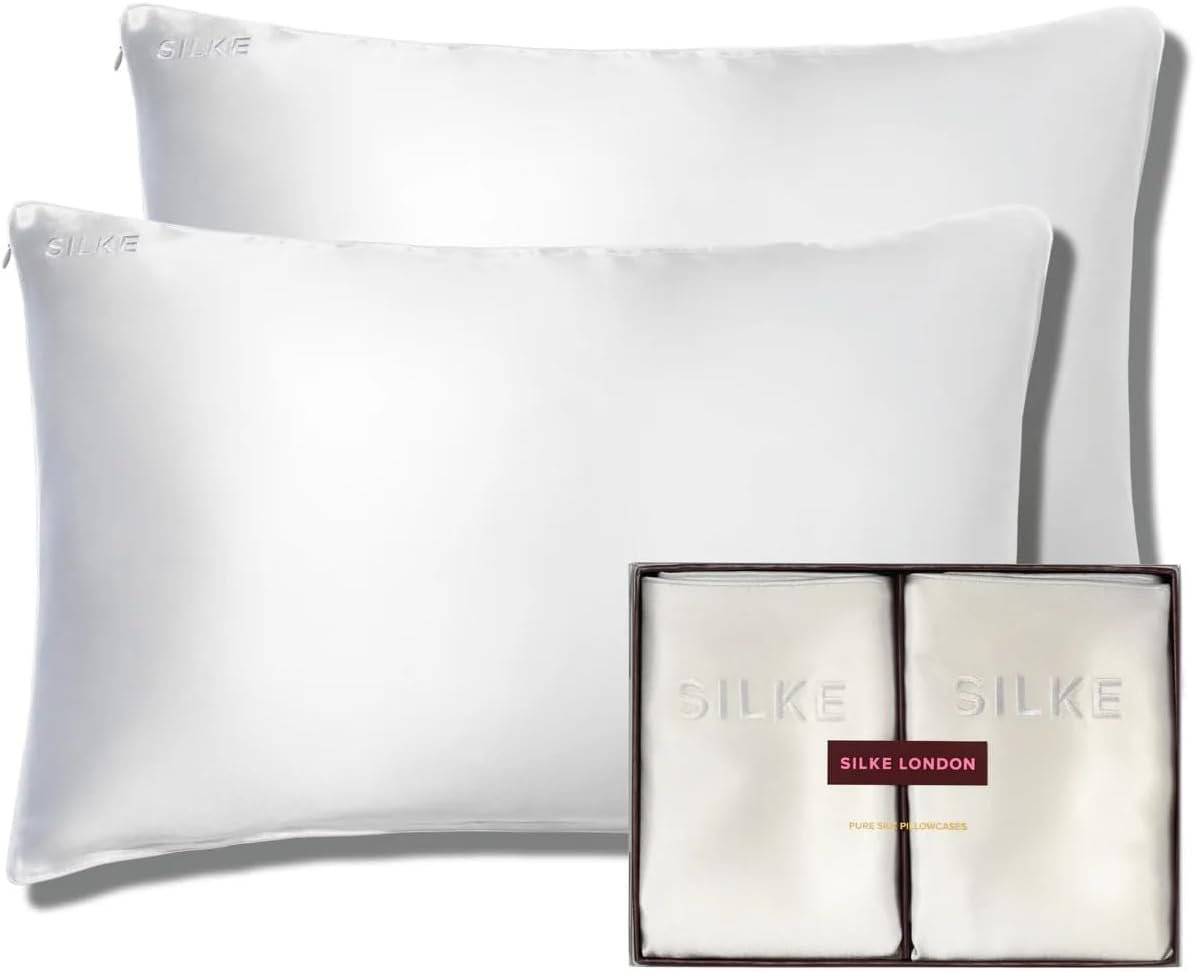
SILKE London 100% Pure 22 Momme Mulberry Silk Pillowcases – 2 Pack, 6A Grade Long Fiber Silk, Queen Size (20” x 30”), Oeko-TEX Certified, Concealed Zipper – for Frizz-Free Hair & Glowing Skin
A catalog product selected because it closely matches this part of the beauty guide.
2) Dry, flaky, or mature skin: choose dewy or luminous finishes
Why: Hydrating, luminous finishes add light and reduce the appearance of dryness and fine lines. They reflect light softly rather than hiding it.
How to use: Prep with a hydrating serum and cream, use a hydrating primer or a drop of facial oil mixed into the foundation, and apply with a damp sponge to avoid streaks. Opt for medium coverage that layers to conceal without emphasizing texture.
3) Everyday natural look: satin or natural finish
Why: Satin (sometimes called natural) balances shine and skin texture. It’s forgiving if your skin changes day-to-day and reads well in daylight and indoor light.
How to use: Apply with fingers or a dense brush for even coverage. A light dusting of powder in the T-zone maintains balance without flattening glow.
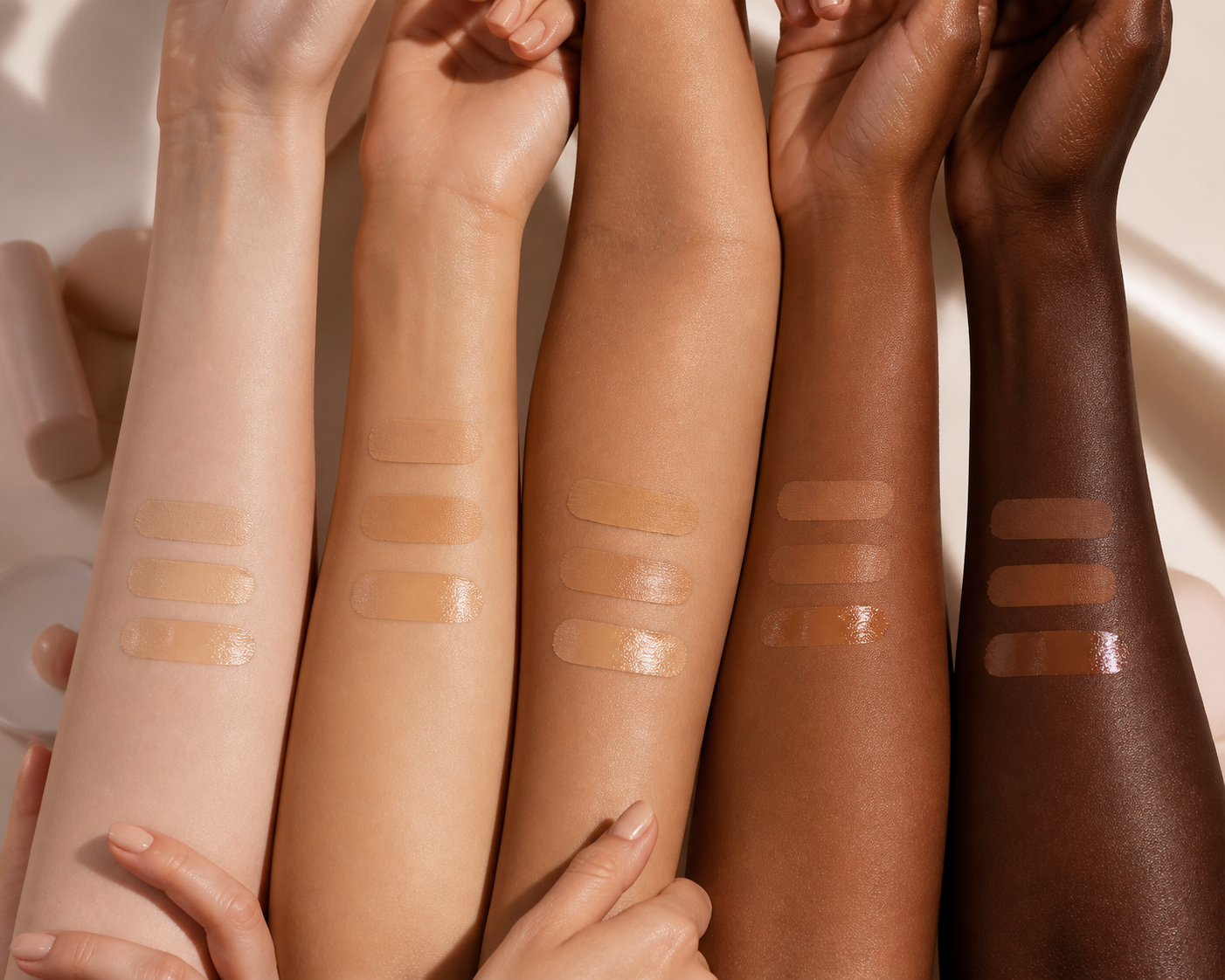
4) Photo-ready or evening wear: consider the lighting
Why: Studio lighting and flash can exaggerate both shine and flatness. Satin finishes tend to be safest; if you want glow for photos, choose a product labeled "soft-focus" or use a subtle luminizing primer rather than a very wet-looking dewy foundation.
How to use: For portraits, apply thin layers, focus coverage where needed, and set with a fine-milled powder in flash-prone areas (forehead, nose). Avoid heavy highlighter in zones the camera will capture directly.
5) Active days and humid climates: longwear, breathable matte or hybrid finishes
Why: You need transfer resistance and oil control without clogging pores. Many modern formulas are labeled longwear and lightweight—look for "breathable" or "transfer-resistant."
How to use: Use minimal primer, apply with a brush for faster, sheerer coverage, and carry blotting papers. Layer light coverage—heavy application traps sweat and can cake.
Subtle trade-offs to consider
- Matte = shine control but can emphasize dryness and texture. Fix: extra hydrating skincare under foundation and avoid heavy powdering.
- Dewy = youthful glow but can look oily on oily skin or in humid heat. Fix: oil-control products in the T-zone and setting spray to stabilize finish.
- Satin/natural = safe for most people but may not fully solve extreme oiliness or extreme dryness.
- Coverage type interacts with finish—full coverage matte looks different than full coverage dewy; choose both formula and finish together.
Quick testing checklist when shopping
When you try foundations in-store or via samples, test for these specifics rather than only color match:
- Wear it at least three hours to see oil breakthrough or dry patches.
- Check in both daylight and artificial light if possible.
- Press gently rather than rub to see transfer and finish texture.
- Try mixing a drop of facial oil with the formula if you have dry skin; if it looks better, go dewy or hydrating.
When to switch finishes seasonally or by routine
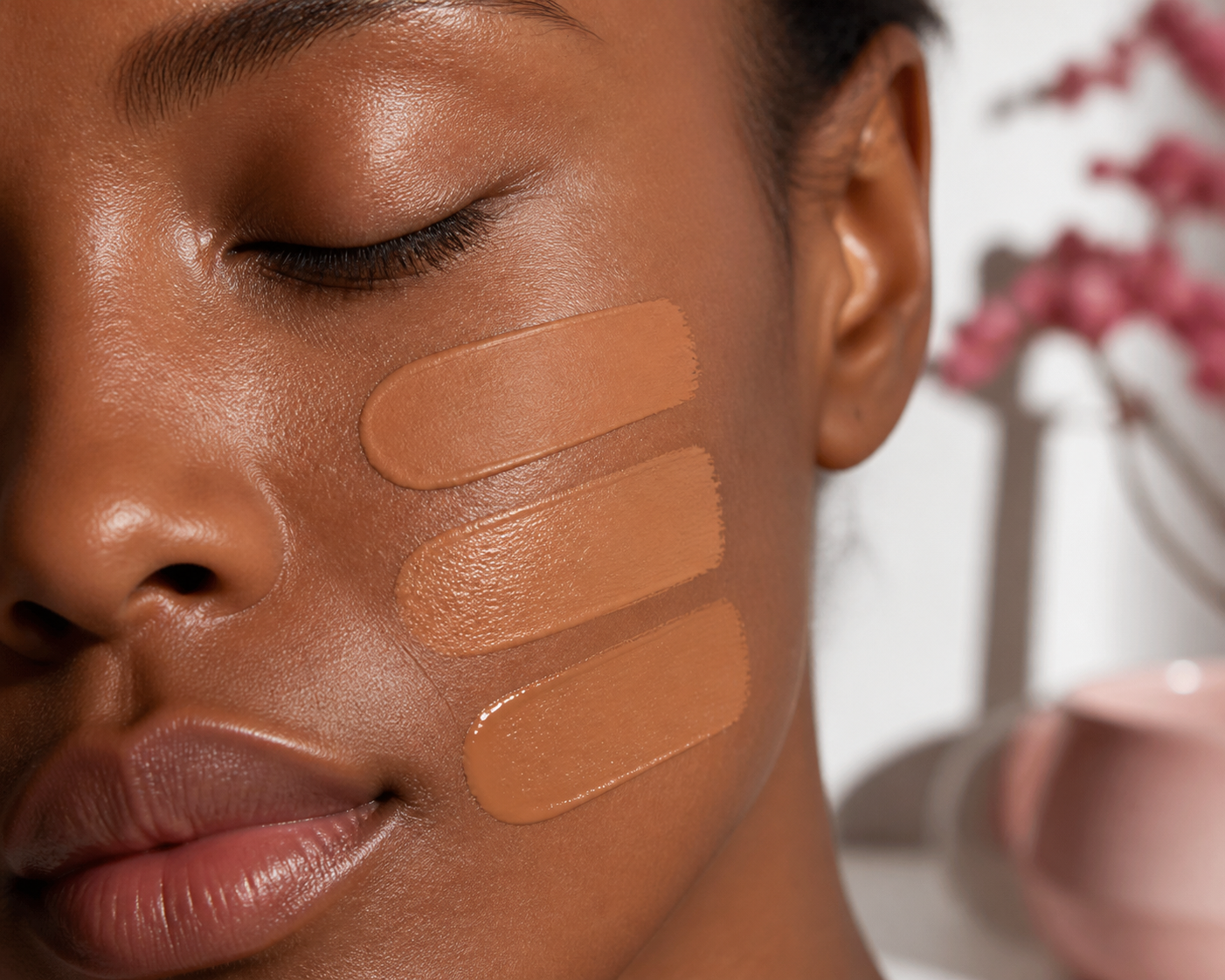
Many people benefit from two foundations: a hydrating or dewy finish for colder months and a demi-matte or matte longwear for spring/summer when oil and humidity spike. If you only want one bottle, pick a satin finish and tweak with primers, powders and setting sprays.
Next steps and related reading
If texture or skincare is the issue, review your base skincare routine before changing foundation—hydration and exfoliation influence finish dramatically. For a fuller everyday polish, see Simple Ways to Make Your Everyday Makeup Look More Polished. To shop foundations that match these use cases, browse our Luxury Foundations collection.
- Identify your primary skin issue: oil, dry patches, visible pores, or uneven tone.
- Decide whether longevity or glow is your priority for daily wear.
- Test the finish in daylight and after at least three hours of wear.
- Bring blotting papers or a small powder to see how the finish behaves under real conditions.
- Consider having a seasonal second finish if your skin changes with weather.
Match the foundation finish to the problem you're solving—shine, dryness, texture or photography—and then use primers, powders and setting sprays to fine-tune the outcome. For most people, a satin/natural finish is the most versatile; oily or dry extremes are best served by matte or dewy formulas respectively.
Can I mix finishes to get the result I want?
Yes—mixing a small amount of facial oil into a matte formula or a mattifying primer under a dewy foundation can create a custom finish that balances your needs.
Will a dewy foundation make me look oily?
Not if you prep skin properly and use sparing product on the T-zone; dewy finishes reflect light and can be controlled with blotting and a light dusting of powder where needed.
Does finish affect how long foundation lasts?
Finish alone doesn’t determine longevity, but many matte and longwear formulas are specifically formulated to resist oil and transfer better than some hydrating finishes.
What finish is best for mature skin?
Satin or luminous finishes usually flatter mature skin because they soften the look of fine lines; avoid heavy powdery mattes that can settle into creases.
How do I make a matte foundation look less flat?
Add a subtle cream highlighter or a touch of dewy primer on the high points of the face, and keep contouring soft to restore dimension.