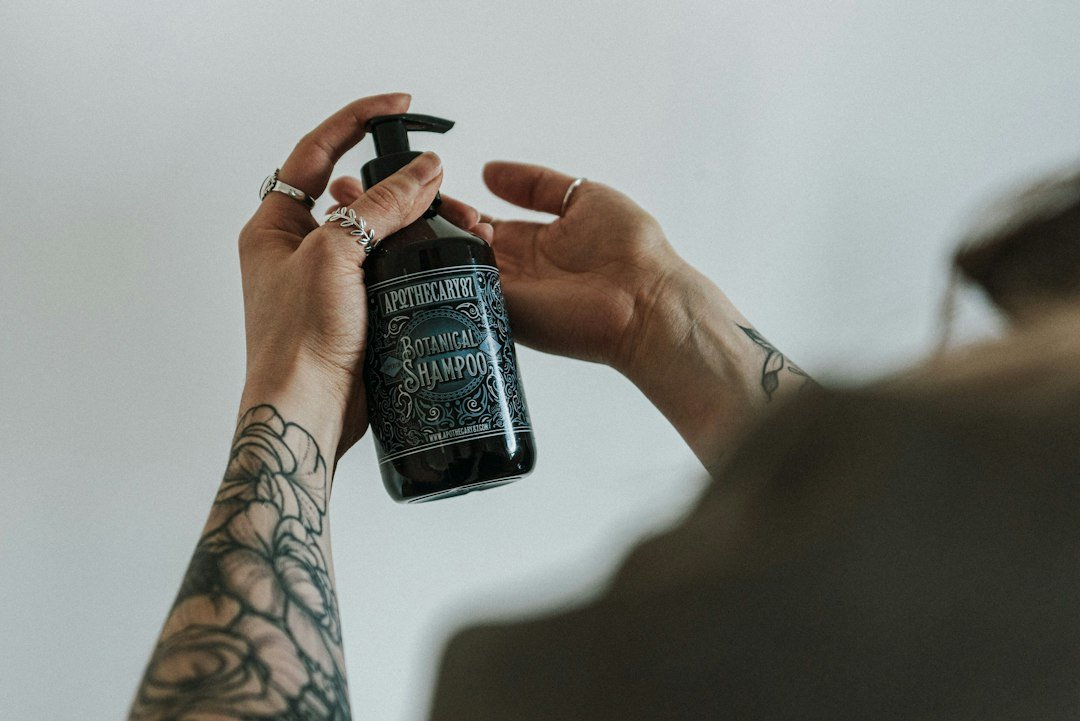
Start with the result you want: healthy, manageable hair that reflects your natural texture
Building a hair care routine is less about following every trend and more about consistent decisions that match your hair type. The phrase hair care routine describes the set of weekly and daily actions—how often you wash, what treatments you use, and which styling steps you repeat—that together keep hair resilient, reduce breakage, and make styling predictable. Below is a practical, type-aware process you can implement this week and refine over a month.
Quick assessment: identify your hair type and core concerns
Before changing products, confirm three facts: texture (fine, medium, coarse), natural pattern (straight, wavy, curly, coily), and current condition (dry, oily, chemically treated, thin). These determine how often to wash, whether you need protein or moisture, and which tools or ingredients to prioritize.
- Fine + straight: prone to limpness and oil at roots.
- Wavy/curly: tends to be drier, needs detangling and hydration.
- Coarse/coily: often fragile, benefits from heavier oils and minimal manipulation.
- Color/chemically treated: needs gentler surfactants, more frequent deep conditioning.
Build the weekly framework: washing, conditioning, treatments
Set a weekly template you can repeat: cleanse, condition, and add one restorative treatment. Here’s a simple framework—adjust frequency to match your assessment.
- Determine wash days: every 1–3 days for oily/fine hair; 3–7 days for wavy/curly/coily hair. Use dry shampoo between washes only if roots are oily and you need volume.
- Condition every wash: apply conditioner mainly to mid-lengths and ends. For fine hair, focus on ends and rinse thoroughly to avoid buildup at roots.
- Deep mask or protein treatment: once weekly for dry or damaged hair, every 2–4 weeks for healthier hair. Alternate protein and moisture masks if hair is brittle and soft but limp.
Choose the right products for your hair care routine
Select products by need, not packaging. Here’s how to match formulations to common types.

- Shampoo: low-foaming, sulfate-free cleansers for colored or dry hair; clarifying shampoo once monthly if you use heavy products. Fine hair can use volumizing, lightweight formulas.
- Conditioner: richer, creamier conditioners for curly/coarse hair; lightweight or detangling conditioners for fine hair.
- Leave-in: choose a light spray or milk for fine hair, a cream or oil for thick/curly hair. Leave-ins help with detangling and heat protection.
- Treatment masks: a hydrating mask (glycerin, hyaluronic or oils) for dry hair; a bond-building/protein mask (keratin, amino acids) for chemically damaged hair.
- Heat protectant: essential if you blow-dry, iron, or use hot tools—use one with film-formers and some conditioning ingredients.
Daily and styling habits that support long-term health
Small daily habits reduce damage more than expensive one-off products.
- Brush gently: detangle from ends upward with a wide-tooth comb when wet for wavy/curly hair, or a brush with flexible bristles for straight hair.
- Wet-to-dry timing: towel-blot with a microfiber towel or old tee to reduce friction; avoid vigorous rubbing.
- Heat use: limit hot-tool sessions to 2–3 times weekly. Use medium heat and a quality heat protectant.
- Night care: silk or satin pillowcases and loose protective styles reduce friction and breakage for all textures.
- Scalp care: dry scalps benefit from gentle exfoliation or oil massage every 1–2 weeks; oily scalps need balanced cleansing rather than harsh stripping.
How to put it together week by week (example routines by hair type)
Below are starting templates. Use them as a baseline and tweak by observation for 4–6 weeks.
Fine, oily roots
- Wash: every 2 days with a lightweight shampoo.
- Condition: mid-lengths and ends, rinse thoroughly.
- Weekly: lightweight hydrating mask every 10–14 days; dry shampoo between washes for volume.
- Style: light leave-in spray, minimal oil—apply only to ends.
Wavy to curly, normal to dry
- Wash: every 3–5 days using a sulfate-free cleanser or co-wash if not heavily product-laden.
- Condition: generous conditioner and comb through in shower.
- Weekly: deep hydrating mask; use a curl-defining leave-in and avoid brushing when dry.
- Style: diffuse on low heat or air-dry; scrunch product into damp hair.
Coily or very thick hair
- Wash: every 7–14 days (or as needed) with a moisturizing shampoo.
- Condition: heavy cream conditioners, consider a leave-in for sealing moisture.
- Weekly: intensive oil or conditioning mask; detangle with fingers or wide-tooth comb while conditioned.
- Style: protective styles, minimal heat, and seal with oils on ends.
Troubleshooting: when your routine isn’t working
If hair looks flat, greasy, or dull after routine changes, examine three possible causes.
- Product buildup: switch to a clarifying shampoo once and re-evaluate; reduce heavy oils at the scalp.
- Wrong balance of protein vs. moisture: brittle but limp hair likely needs more moisture; spongy, over-soft hair may need protein.
- Frequency mismatch: oily scalp often means more frequent cleansing; dry hair sometimes needs less frequent washing and more leave-in hydration.
One product that helps many routines
If you need a single upgrade that improves styling time and reduces heat exposure, a fast, reliable dryer with ionic technology shortens drying time and reduces frizz—use it with a heat protectant and a medium heat setting. For many readers, a premium dryer cuts daily damage and speeds results.
Keep improving: simple tests and tracking
After four weeks, check these signals: fewer split ends, more defined curl pattern or better volume at roots, and less time spent detangling. Change only one variable at a time (product or frequency) so you can tell what worked.
Practical recap, checklist and reader questions
- Identify texture, pattern, and current condition before buying products.
- Set a wash schedule and stick with it for 4–6 weeks.
- Use conditioner every wash; add a weekly deep mask suited to your need.
- Include a leave-in or heat protectant when styling with tools.
- Monitor for buildup or imbalance and adjust with clarifying or protein treatments.
- Test only one product change at a time to see real effects.
Create a simple, repeatable routine by aligning wash frequency, conditioner choice, and one weekly treatment to your hair type. Small, consistent habits—gentle detangling, targeted products, and sensible heat use—deliver the healthiest results.
How often should I deep condition?
For dry or damaged hair: once weekly. For healthy hair: every 2–4 weeks. Adjust based on how your hair feels—more elasticity and reduced frizz are good signs.
Can fine hair use oils?
Yes, but sparingly. Apply a small amount only to the ends, or choose lightweight serums to avoid weighing hair down.
How do I know if I need protein or moisture?
Brittle, straw-like hair benefits from moisture; limp, overly soft hair that stretches and doesn’t spring back likely needs protein. Alternate treatments until balance is restored.
Is it harmful to wash hair daily?
It depends on hair type and cleanser. Fine/oily hair can tolerate more frequent washing with a gentle shampoo; dry or chemically treated hair usually fares better with less frequent cleansing.
What’s the best way to reduce heat damage?
Limit hot-tool use, use a quality heat protectant, dry hair partially on low heat or air-dry, and choose tools with temperature control and ionic technology.