Start with the result: softer, smoother hair that still feels light
If your goal is to reduce dryness and frizz without weighing hair down, focus on four outcomes: hydrate the strand without buildup, seal ends without heavy layering, control humidity at the root-to-midshaft without flattening, and finish with movement. Ignore one-size-fits-all “use more oil” advice—more product often equals limp hair. Instead use the right product types, amounts, and timing for your hair density and porosity.
Know your hair so you choose the right weight
The same routine won’t work for a fine, low-density head and for coarse, curly hair. Quickly test density and porosity: a single stroke of a comb through damp hair shows how much strand resistance you have (light resistance = lower porosity; lots of tangling = higher porosity). Fine, low-density hair needs ultra-light formulas and tiny amounts; coarse or highly porous hair tolerates richer leave-ins and targeted oils at the ends.
Wash routine that hydrates without residue
- Use a sulfate-free or gentle shampoo: cleansers that strip natural oils force you to compensate with heavier products later. If your scalp is oily but lengths are dry, consider washing the scalp only and letting shampoo rinse through lengths.
- Condition from mid-length to ends only: apply a rinse-out conditioner where the hair is driest, avoiding roots to preserve volume. For fine hair, choose a lightweight conditioner; for porous or coarse hair, use a richer formula but rinse thoroughly.
- Rinse with cool to lukewarm water: it helps close the cuticle slightly, reducing frizz and making light leave-ins more effective.
Control water first: drying and detangling that reduce frizz
How you remove and handle water accounts for more frizz than the precise product brand. After the shower:

- Gently blot excess water with a microfiber towel or cotton T-shirt—don’t rub.
- Comb through with a wide-tooth comb while still damp to distribute conditioner and remove tangles.
- If you use a blow dryer, attach a diffuser and dry mostly at the roots to set volume; finish with a brief cool blast to help seal cuticles. Over-drying the mid-lengths can create static and frizz.
Layer lightweight products in the right order
Correct order prevents heaviness and keeps benefits targeted. A practical, light routine for most hair types:
- On wet hair: apply a water-based leave-in or detangling spray. These give immediate slip and hydration without oil-heavy feel.
- Targeted cream or milk: for dry mid-lengths and ends, use a lightweight cream or milk—start with a rice-grain to pea-sized amount and add only if needed.
- Thin oil or serum only on ends: choose a lightweight, fast-absorbing oil (argan, meadowfoam, or a "dry" hair oil) and apply a tiny amount to ends—never at the roots unless hair is very coarse.
- Finish with a humidity-resistant mist if you need extra control: a light anti-frizz spray applied sparingly avoids the heavy feel of creams while helping fight frizz in humid weather.
Choose formulas that reduce weight but increase slip
What to look for on labels:
- “Water-based”, “leave-in milk”, or “lightweight” for fine hair.
- Oils listed lower in the ingredient list indicate a less greasy formula.
- Silicone-free is not always better—dimethicone-type silicones can provide temporary frizz control without heavy buildup if used sparingly; instead, watch cumulative product usage.
Styling and heat: techniques that smooth without flattening
Heat tools can smooth cuticles and reduce frizz, but technique matters:
- Always use a heat protectant that’s lightweight—sprays or light creams work best.
- Dry at the roots first to preserve lift, then briefly smooth mid-lengths using lower temperatures. High heat for short passes beats long slow passes that over-dry the hair.
- For fine hair, use a nozzle and a round brush for root lift and only lightly smooth the lengths to avoid a stiff look.
- Diffuse curls on low–medium heat, using scrunching motion and a light curl cream rather than heavy oils.
Troubleshooting common problems
My hair still feels greasy at the ends
You're likely using too much oil or applying it too often. Cut the amount in half and apply only once after styling, focusing on the last two inches.
Frizz returns by midday
Swap a heavy cream for a humidity-resistant mist and refresh with a small water-based spritz and a pea-sized balm on ends. Avoid layering new heavy products on top of old residue—use a clarifying rinse once every 2–4 weeks if buildup is persistent.
Products help but my roots get flat
Keep leave-ins off the roots and use volumizing sprays at the root if you need lift. Apply light serums and oils below the ear line only.
One product suggestion for lightweight frizz control
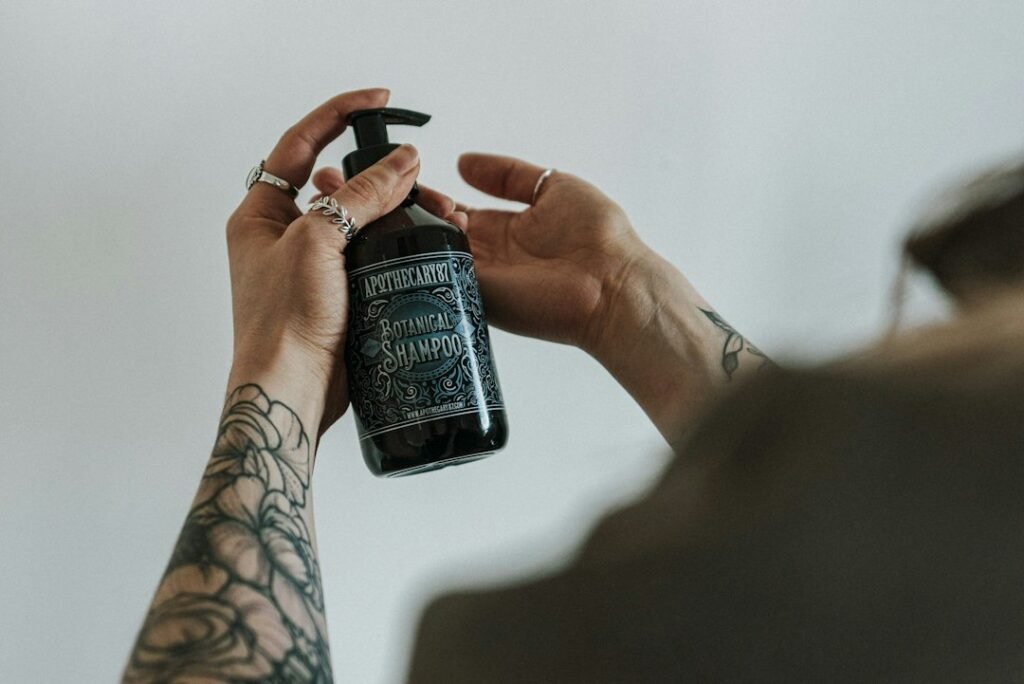
If you want a single, store-available option to start with, consider a curated travel-sized duo that balances cleansing and conditioning without heavy residue—use the shampoo sparingly at the scalp and the conditioner on ends only to test how light hydration feels on your hair type.

When to adjust: porosity, season and frequency
High-porosity hair may need richer weekend treatments (oil or mask on ends) and lighter daily products. Low-porosity hair benefits from lower-molecular-weight humectants (glycerin-containing leave-ins) and occasional gentle heat when using deep conditioners to help penetration. In humid months, switch to sprays and mists; in dry winters, add a thin nightly oil on ends to prevent overnight dehydration.
Related reads for routine upgrades
For dos and don'ts on oil usage and protecting hair from heat, these guides can help refine your routine:
- How to Use Hair Oils Without Making Your Hair Look Greasy
- How to Protect Your Hair From Heat Styling Damage
- Blot, don’t rub: use a microfiber towel or T-shirt to remove excess water.
- Condition mid-lengths to ends only; avoid the scalp.
- Layer products: water-based leave-in → lightweight milk → tiny oil on ends.
- Use heat protectant and dry roots first for volume.
- Limit oil use to a pea-sized amount applied once after styling.
- Clarify monthly if products build up and flatten your hair.
Reducing dryness and frizz without adding weight is about precision: choose lightweight formulations, apply the smallest effective amount, and sequence products so hydration reaches the places that need it most. Adjust by texture and season rather than adding more product.
Can I use hair oil every day without getting greasy?
Only if your hair is coarse and very dry; for most hair types, use a tiny amount (pea-sized) on ends and limit to a few times per week to avoid buildup and limpness.
Will silicones make my hair heavy?
Not always—light silicones can smooth and temporarily reduce frizz without weight if used sparingly; heavier silicone-rich products applied repeatedly cause buildup that feels heavy.
How do I reduce frizz in humid weather without heavy creams?
Switch to an anti-humidity spray or mist and use minimal oil only on ends; reapply with a water-based spritz for quick refreshes.
What’s the best way to detangle damp hair to prevent frizz?
Use a wide-tooth comb or detangling brush on damp hair with a leave-in or conditioner applied, starting from the ends and working up to the roots.
How often should I clarify my hair to prevent weighing down?
For most styling-product users, clarify once every 2–4 weeks; if you use heavy oils or silicones daily, aim closer to every 2 weeks.