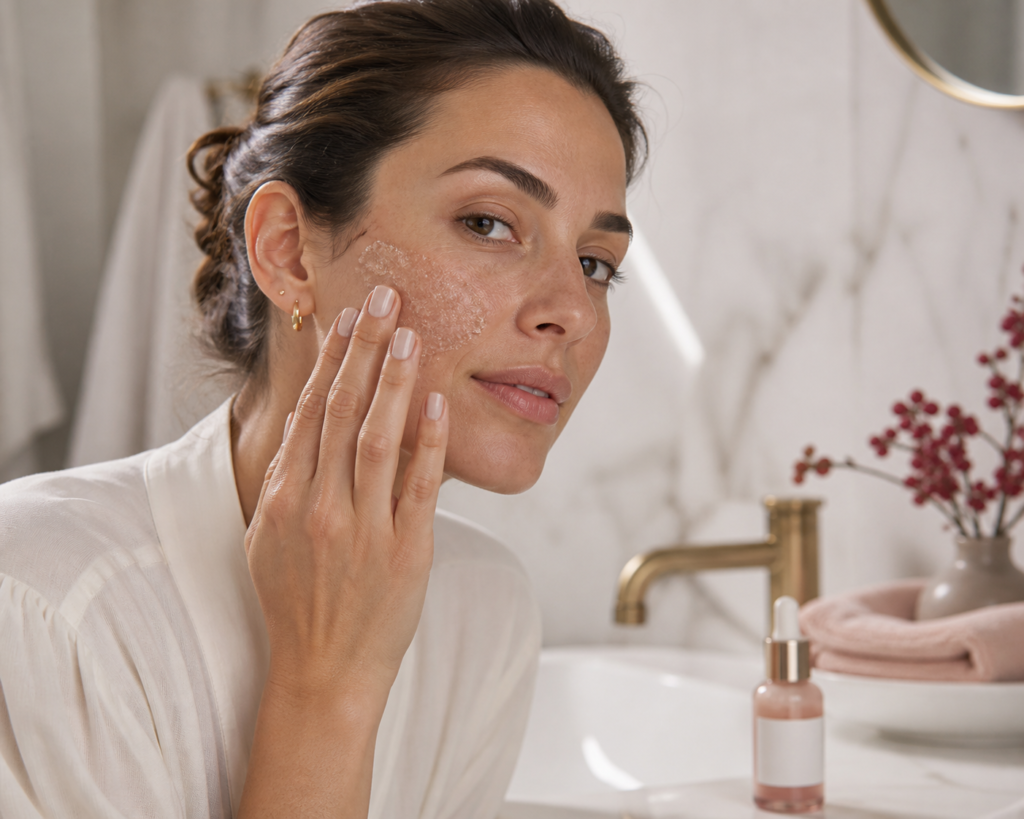
Start with the outcome: what you should see by midafternoon
If you follow a few ordered, practical steps you’ll have skin that looks comfortable (no tightness or flaking), makeup that sits smoothly and a light, non-greasy feel at your jawline and cheeks through the afternoon. Ignore vague advice like “drink more water” as the only solution — systemic hydration helps but topical strategy and timing are what control how your skin feels between washes.
How to keep skin hydrated: a simple, time-ordered process
This sequence covers the full day: morning prep, midday support and evening reset. Use what fits your schedule and skin type; troubleshooting follows.
Morning: build the base that lasts
Why this matters: morning products create the barrier that slows moisture loss through the day.
- Cleanse gently. Use a mild, non-stripping cleanser—avoid hot water and foaming agents that leave the skin tight.
- Apply a hydrating serum while skin is damp. Ingredients to favor: hyaluronic acid (at multiple molecular weights if possible) or glycerin. These draw and hold moisture; they need a bit of water on the skin to work best.
- Lock with a moisturizer. Choose based on skin type: lightweight gel-cream or oil-free lotions for oily skin; richer creams for dry or mature skin. Apply by pressing, not rubbing, to reduce tugging.
- Finish with SPF. Many sunscreens are formulated to be hydrating; skipping SPF risks damage that accelerates moisture loss and dullness.
Tip: Layer in this order—damp skin → serum → moisturizer → sunscreen. If you plan makeup, let each layer settle for 30–60 seconds.
Midday: simple, portable tactics when you can’t redo your routine
Midday is about reinforcement, not redoing the morning routine.
- Use a facial mist when skin feels tight—choose one with humectants (glycerin, aloe) or thermal/hydrating water; avoid alcohol-heavy sprays that can dry you out. Spray from 8–12 inches and pat gently.
- Spot-treat dry patches with a tiny dab of moisturizer or an occlusive balm (a pea-sized amount). Press into the area to restore barrier function without disturbing makeup.
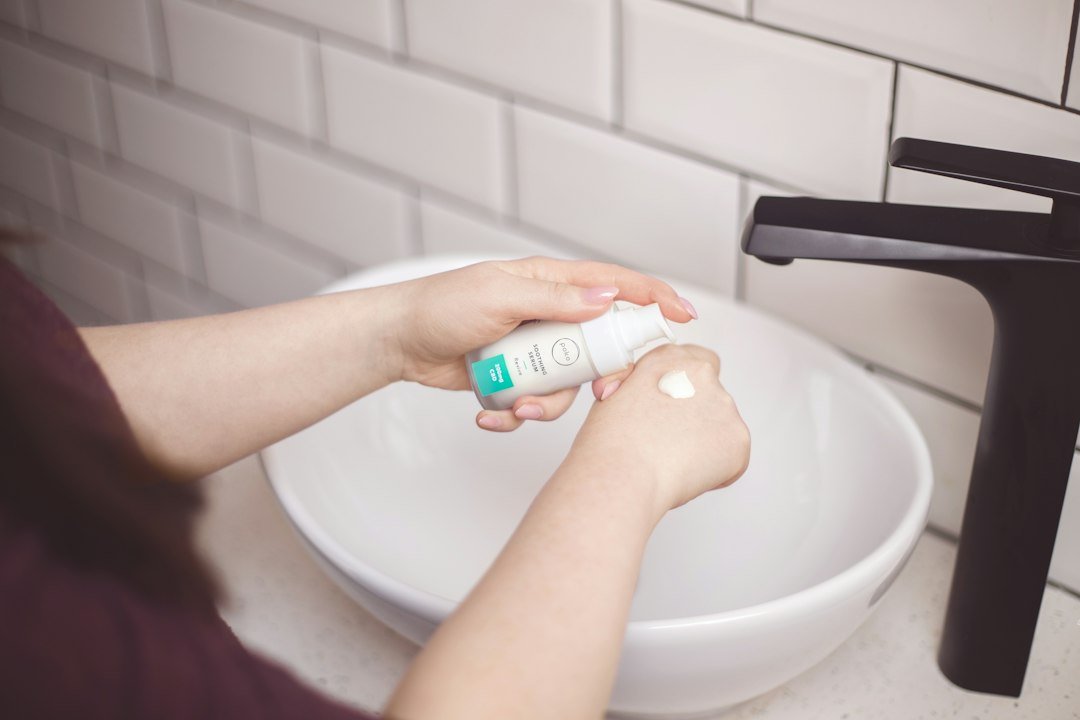
- For long days, carry a small hydrating serum or cream sample. A single thin layer absorbed into slightly damp skin will refresh without piling.
Throughout the day: habits that protect hydration
- Mind environmental drains. Air conditioning and heating pull moisture from skin. Position yourself away from vents and use a desktop humidifier if possible.
- Limit long, hot showers in the morning. They feel good but strip oils and increase trans-epidermal water loss.
- Adjust your indoor diet: warm beverages and foods with water-rich vegetables help, but don’t rely on them alone.
Evening: restore and repair
Nighttime is when you can rebuild the skin barrier.
- Double-cleanse only if you wore heavy makeup or SPF—otherwise a gentle single cleanse is enough.
- Apply targeted treatments (retinoids, exfoliants) on alternate nights if you use them; these can increase dryness and need a buffer of moisture.
- Use a richer night cream or an occlusive as the final step on drier nights to lock in moisture. Thicker creams work while you sleep and reduce morning tightness.
Choosing products that actually help keep skin hydrated
What to look for versus what to ignore:
- Look for humectants (hyaluronic acid, glycerin), lightweight emollients (squalane, fatty esters) and occlusives for night use (petrolatum, dimethicone, certain plant oils).
- Avoid high concentrations of drying alcohols and strong fragrances if you’re sensitive—these can undo hydration quickly.
- Remember texture matters: gels can hydrate without feeling heavy; creams give longer-lasting occlusion.
Product pick (when you want one straightforward AM moisturizer): if your goal is reliable daytime hydration with a refined finish, consider the TULA Skin Care 24-7 Hydrating Day &... which is suited for daily wear across skin types.
Troubleshooting: common problems and how to fix them
My skin still feels tight after moisturizer
Fix: Apply your hydrating serum on damp skin first, then seal with moisturizer. If you use strong actives (AHAs, retinoids), reduce frequency or layer a thin moisturizer between the active and your heavier cream.

Products pill or makeup drags
Fix: Let each layer absorb for 30–60 seconds; use thinner formulations under makeup. Heavy occlusives are better saved for night or targeted spot use.
Breakouts when increasing hydration
Fix: Choose non-comedogenic formulas and introduce richer products gradually. If oiliness rises, switch to gel-creams with humectants rather than heavier oils.
- Cleanse gently; avoid hot water and foaming cleansers.
- Apply a hyaluronic acid or glycerin serum to damp skin each morning.
- Lock in with an appropriate daytime moisturizer and SPF.
- Carry a small facial mist or travel moisturizer for midday touch-ups.
- Reduce exposure to vents, hot showers and drying alcohols.
- Use a richer night cream or occlusive on dry nights.
To keep skin hydrated all day, plan your routine around layering—serum on damp skin, moisturizer, then sunscreen—and use lightweight midday fixes rather than redoing the routine. Choose product textures that match your skin’s needs and reserve occlusives for overnight repair.
Is drinking water enough to keep my skin hydrated?
Hydration from fluids helps overall health, but skin hydration depends more on topical products that prevent water loss and on a healthy skin barrier. Combine both approaches.
How often should I use a facial mist?
Use a mist as needed when skin feels tight or in dry environments—typically once or twice midday; avoid over-spraying, which can disturb makeup and skin balance.
Can I use a heavier moisturizer under makeup?
Heavier creams can pill or make makeup slide; opt for a lighter gel-cream in the morning and reserve richer creams for evening.
Do I need different products in winter?
Yes—cold, dry air increases water loss, so switch to a richer moisturizer or add an occasional occlusive at night during winter months.
Will hyaluronic acid make my skin oilier?
No—hyaluronic acid attracts water and can improve skin texture without adding oil. If you experience oiliness, choose a gel-based HA product rather than an emollient-rich serum.