Many people think building a luxury makeup collection means buying everything new and shiny. The better approach is to aim for a curated set of durable, versatile items that cover your daily looks and special occasions—without excess. Start with the result: a compact, reliable kit that makes getting ready faster, looks polished, and lasts longer than chasing trends.
Decide what “luxury” must do for you
Luxury can mean better ingredients, packaging, longevity, or simply products that make you enjoy the ritual. Define priorities up front: do you want long-wear face makeup, iconic lip colors, or beautifully made tools? Limiting the definition narrows choices and prevents impulse buys. Write a short list (2–4 priorities) and keep it visible while shopping.
Plan the looks your collection must create
Start from use, not from product count. Pick 3 daily-to-weekend looks and 1-2 special-event variations. For example:
- Everyday polished: lightweight base, groomed brows, neutral eyes, natural blush, sheer lipstick.
- Office/upgraded: semi-matte foundation, cream contour, soft liner, muted rose lipstick.
- Evening: fuller coverage base option, smoky liner, deeper lip shade.
Translating looks into specific product roles (foundation, concealer, brow pencil, neutral palette, mascara, blush, lipstick, setting powder) reveals where to spend and where to economize.
Prioritize investment pieces and where to save
Not every item benefits from a luxury price tag. Spend more on items that you use daily and that affect wear or finish:
- High-priority splurges: foundation (shade + wear), concealer, a signature lipstick, and brushes.
- Mid-priority: a neutral eyeshadow palette with good pigments, mascara, and brow product.
- Save or buy mid-range: trendy single eyeshadows, novelty glosses, or specialty highlighters you’ll rarely reach for.
Example trade-off: buy a luxury face base for reliability but choose a well-reviewed mid-range highlighter if you only use it for nights out.
Choose multi-use products to reduce duplication
Multi-use formulas cut cost and clutter while preserving a luxe feel. Look for:
- Cream blushes that double as lip color.
- Tinted balms that hydrate and add sheen instead of separate glosses.
- Neutral eyeshadow palettes that provide matte and shimmer for face contouring and brows.
Multi-use tools also help—quality brushes that handle base and blending reduce the need for many single-purpose brushes.
Test shades and formulas before committing
Shade-mismatch is the most common waste. Always test foundation and lip shades in natural light where possible; for base products, swatch along the jawline and wear for several hours if you can. For online purchases, use brand shade-finder tools, read honest reviews, and confirm return policies. When in doubt, sample sizes or deluxe minis are safer buys than full sizes.
Pick tools that make luxury last
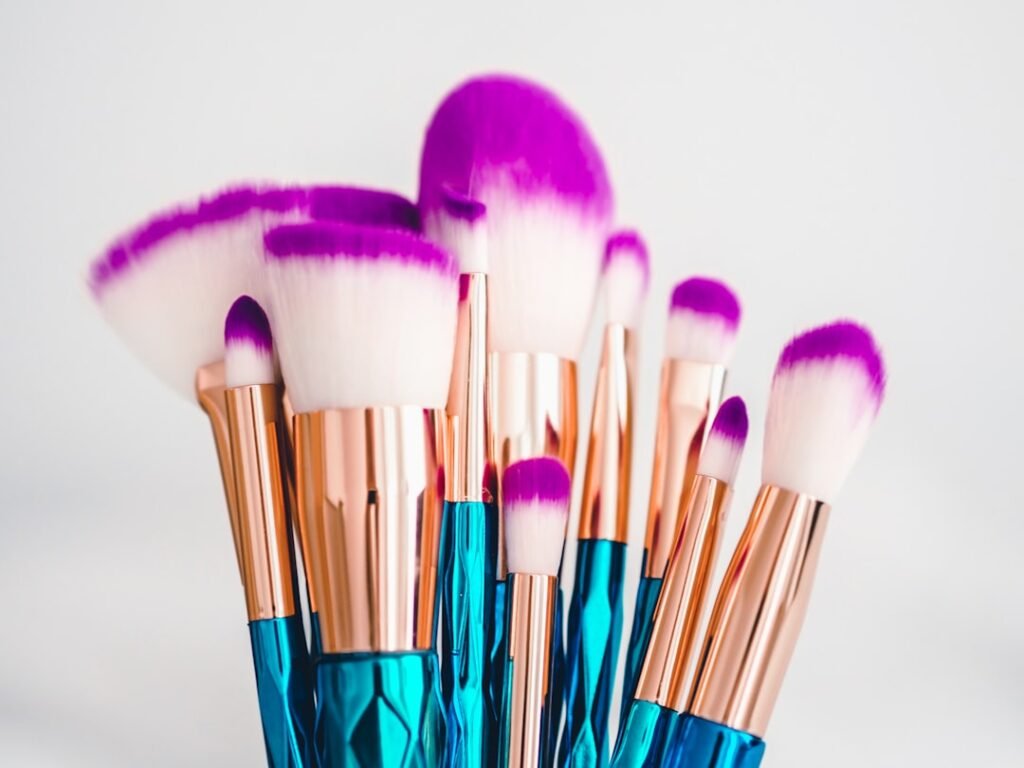
Well-made brushes and an organized storage solution improve results and product lifespan. Invest in a core brush set—face brush (buffing), concealer brush, blending/fluff brush, angled brow/liner brush—and keep them clean. Consider a premium brush set if you want uniform quality; for many readers the electric brush cleaner or a quality 15-piece brush kit fits that role.
Adopt a “buy to replace” rule and seasonal refreshes
Rather than adding extras, replace worn-out staples with equal-or-better versions. Schedule two short refresh times per year: one in spring, one before holiday season. During each refresh, evaluate actual usage—keep what you reach for, return or donate what you don’t. This prevents accumulation of single-use trend items.
Store and display like you mean it
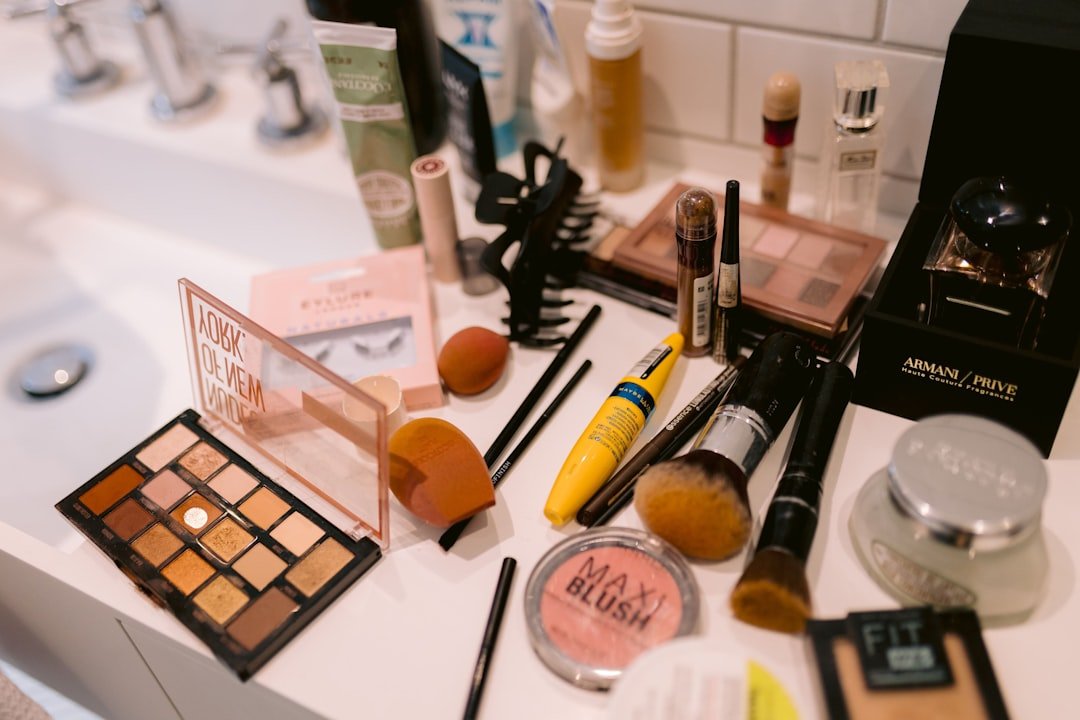
Good storage is part of the luxury argument: it protects products and makes them easier to use. Keep daily items in a small organizer on the vanity, travel essentials in a dedicated cosmetic bag, and backups or seldom-used palettes in a drawer. Organized visibility reduces re-buying—if you can see a product, you’re less likely to duplicate it.
When to buy sets vs. singles
Sets can be economical and cohesive; purchase a set when it contains items you will use (brushes, a coordinated palette and lip). Avoid sets that include one or two desirable pieces alongside many extras you won’t touch. If a set’s best parts are the reasons you want it, it's usually worth it.
Troubleshooting: common stalls and how to fix them
- Stall: “I keep buying shades I don’t wear.” Fix: create a swatch sheet of your best 3 shades for foundation, concealer and lips and reference it before buying.
- Stall: “I feel like I’m missing something.” Fix: wear your planned looks for two weeks; any repeat gap is a real need.
- Stall: “I want variety without clutter.” Fix: favor palettes with neutral-to-cool and neutral-to-warm ranges and one bold accent color rather than several singles.
- List 3 looks you need the collection to create.
- Identify 3 high-priority splurge items and 2 places to economize.
- Test foundation/lip shades in natural light or order samples first.
- Choose at least two multi-use products (cream blush/lip, palette contour/highlight).
- Plan storage: daily organizer + travel bag + backup drawer.
A luxury collection is a curated toolkit: spend intentionally on daily-impact items, prefer multi-use formulas, confirm shades before buying, and keep a simple refresh habit. This prevents excess while delivering a refined routine you enjoy.
How many products should a curated luxury collection have?
There’s no fixed number, but a functional curated set commonly includes 8–14 items covering base, eyes, brows, lips, mascara and key tools; the aim is coverage, not maximal choice.
Are luxury brushes really worth it?
Quality brushes distribute product more reliably and last longer; if you use them daily, they’re usually a good investment. Consider a mid-size luxury brush set for coherence.
Can I mix luxury and drugstore brands?
Yes—mixing is practical. Use luxury where formula and wear matter most (base, signature lip); use reliable drugstore options for fun or occasional items.
How do I avoid impulse makeup purchases?
Create and carry your priority list, set a 48-hour rule for non-essential buys, and prefer samples or minis before full-size purchases.
What’s the best way to downsize an overfull collection?
Wear everything over two weeks, donate unused items in good condition, and recycle expired or empty products; keep only the items you reach for regularly.