Start with the result: hair that looks styled but still feels smooth and elastic
Protecting hair from heat styling means minimizing the cumulative injury that causes dryness, split ends and breakage while keeping the look you want. The quickest wins are routine choices you control every time you dry, curl or straighten: how you prepare damp hair, what protective product you use, the tools and temperatures you pick, and a recovery routine to repair micro‑damage.
Prepare hair correctly before any heat tool
Heat does far more damage to wet or overly damp hair. Aim to start with hair that’s mostly dry—damp at most—unless your straightener or curler is explicitly designed for wet-to-dry use.
- Gently towel-dry by blotting and use a microfiber towel or old T-shirt to reduce friction. Avoid vigorous rubbing.
- Detangle with a wide-tooth comb from ends to roots to prevent tugging when you use thermal tools.
- If blow-drying, use the highest consistent speed that still lets you finish quickly—the shorter the dry time, the less cumulative heat exposure.
Choose the right heat protectant and apply it properly
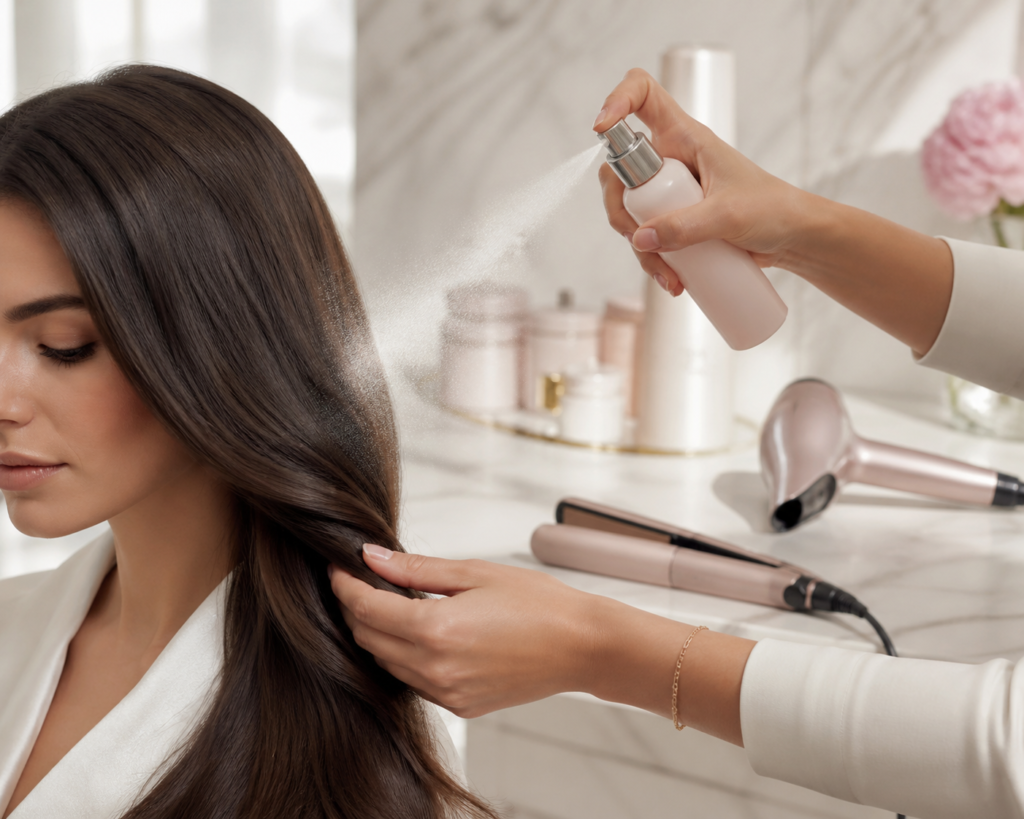
Protect hair from heat with a product designed to form a barrier between hair and heat, plus add slip so a tool glides without snatching. For most people a spray works best for even coverage; creams or serums suit thicker or coarser hair.
- Spray or distribute product evenly through damp hair—focus on mid-lengths and ends where damage concentrates. Avoid heavy application at the roots unless needed for frizz control.
- Look for ingredients that help: silicones for barrier and smoothness, lightweight oils for shine, and polymers that reduce moisture loss. If you prefer silicone-free, expect to reapply sparingly to targeted sections.
- Product recommendation: For a reliable all‑around spray that balances protection and nourishment, consider the stored option below which fits most hair types.
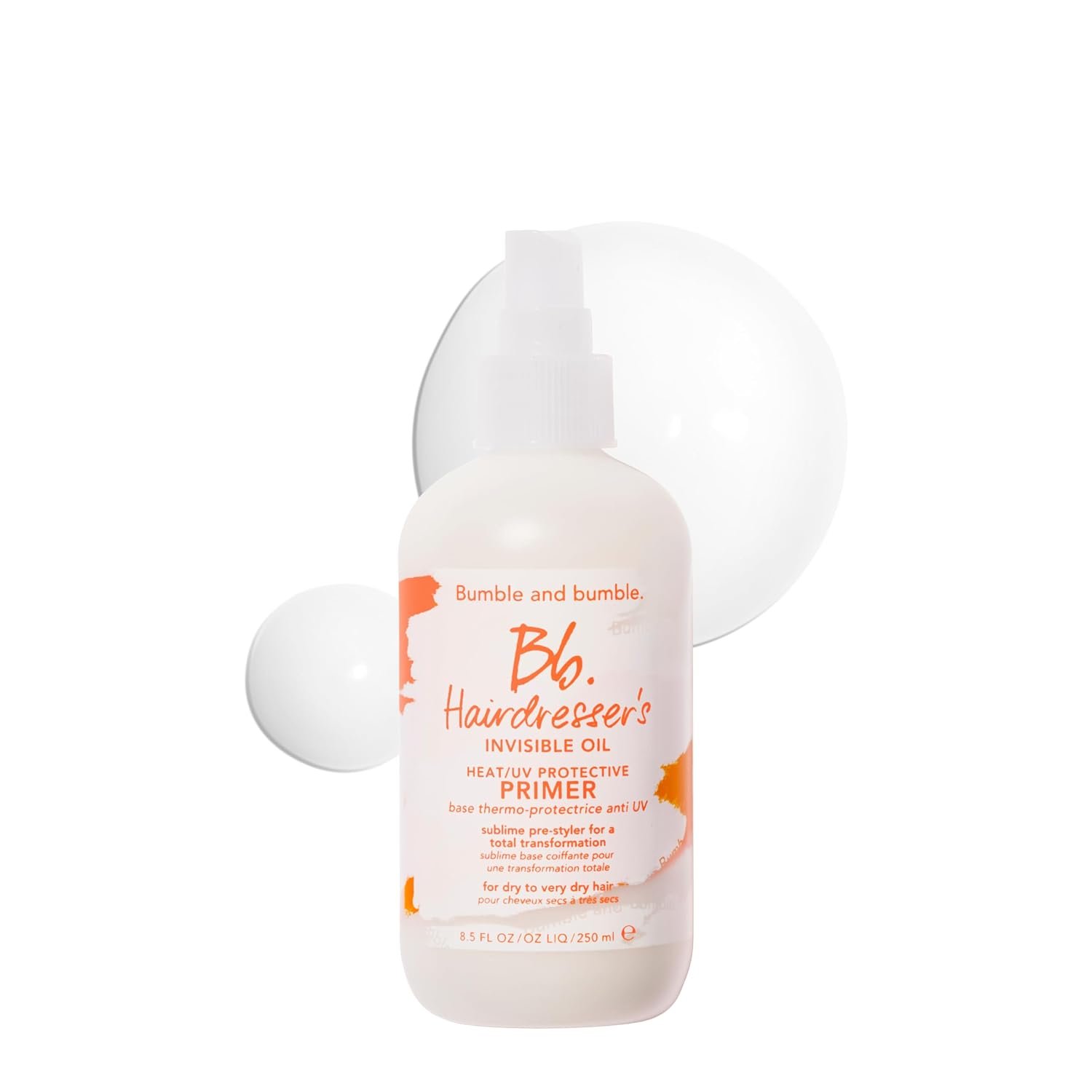
Bumble and bumble. Hairdresser's Invisible Oil Heat/UV Protection Leave-In Conditioner Hair Primer | Hydrating, Anti Frizz, Color Safe | All Hair Types and Textures | With Argan + Coconut Oil
A heat/UV protection leave-in conditioner primer in a spray format that hydrates and fights frizz while being color-safe and formulated for all hair types and textures — a good spray protectant for most people.
Set tools to the right temperature and use better technology
Protect hair from heat by matching tool temperature to your hair’s thickness and condition. Higher temperature increases efficiency but also risk; seek the lowest effective temperature for the result you want.
- Fine or color-treated hair: 250–300°F (low setting). Medium hair: 300–365°F (medium). Thick, coarse or very curly hair: 365–425°F (higher end).
- Prefer tools with ceramic, tourmaline or titanium plates and consistent heat control—these distribute heat more evenly and reduce hotspots.
- Consider alternatives: steam straighteners and ionic dryers can style with fewer passes and less time, which lowers damage risk.
Use technique that reduces repeat passes and tension
Heat damage escalates when you make multiple passes or pull hair tightly. The right technique shortens contact time and avoids mechanical damage.
- Work in consistently sized sections—small enough for one smooth pass with a straightener or rapid curling—but not so small that you end up repeating the same area.
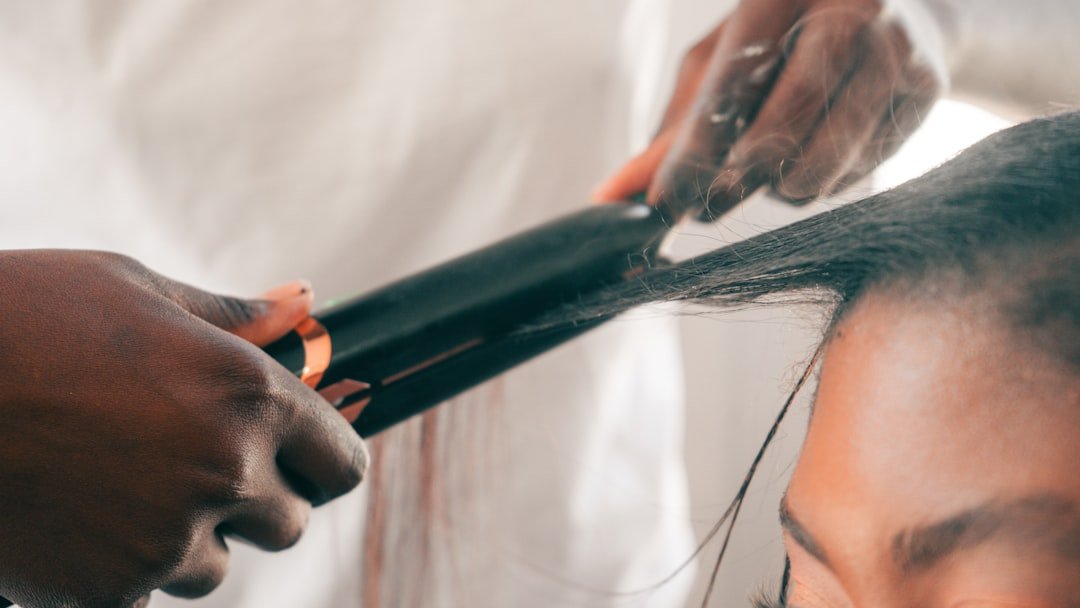
- When straightening, glide the iron slowly but steadily in one pass rather than clamping and redoing small stretches repeatedly.
- With a blow-dryer, use a nozzle to focus airflow and a boar-bristle or mixed-bristle brush for smoother tension; keep the dryer moving rather than resting heat on one spot.
Limit frequency and mix in low-heat styling
Even with perfect technique and products, frequent high-heat styling accumulates damage. Protect hair long-term by scheduling heat-free or low-heat days.
- Try reducing high-heat styling to 2–3 times per week, using braids, twists or air-drying for other days.
- Refresh styles with dry texturizing sprays, setting creams, or a quick low-heat touch-up rather than a full hot tool session.
Repair and strengthen: post-heat recovery that matters
Daily protection helps, but regular recovery treatments prevent small defects from becoming permanent. Think of repair as maintenance rather than occasional indulgence.
- Weekly deep-condition with a protein‑balanced mask if your hair is chemically treated or shows elasticity loss; otherwise use a hydrating mask once weekly.
- Use lightweight hair oils on ends to reduce friction and seal cuticle roughness between washes—apply a pea-size amount to avoid weighing hair down.
- Trim split or damaged ends every 6–10 weeks; keeping ends fresh prevents upward splitting that weakens hair overall.
For targeted repair, check the luxury conditioners and hair oils collection to choose masks and serums suited to your hair type: deep conditioners and luxury hair oils.
Troubleshooting: when damage keeps appearing
If hair remains dry, porous, or breaks despite careful heat habits, check these common causes:
- Product overload: heavy silicones or oils can mask dryness but increase styling time; simplify to a lightweight protectant and reassess.
- Incorrect tool settings: many people default to high heat—test lower settings on a hidden strand to find the minimum effective temperature.
- Underlying chemical damage: repeated bleaching or perms weaken the cortex and may require longer protein treatments or a pause on heat styling.
Small changes that yield big improvement
Three small, immediately actionable changes you can make today: switch to a proven thermal spray, drop the tool temperature 25–50°F and reduce passes per section to one. Together these reduce daily strain substantially.
- Start with mostly dry hair and detangle before heat.
- Apply an even layer of heat protectant to mid-lengths and ends.
- Set tools to the lowest effective temperature for your hair type.
- Work in consistent sections and avoid repeated passes.
- Include a weekly nourishing mask and light oil on ends.
- Schedule at least two heat-free styling days per week.
Protecting hair from heat is a combination of preparation, the right product, controlled tool use and regular recovery. Prioritize barrier protection and lower temperatures—those two choices deliver the largest reduction in long-term damage.
How long should I wait after applying a heat protectant?
Most sprays are formulated to be used immediately on damp hair; lightly comb through and begin drying or styling once distributed. Check the product label for any specific wait times.
Can a heat protectant completely prevent damage?
No product eliminates all risk, but a quality protectant substantially reduces moisture loss and surface friction, lowering the chance of breakage when used properly.
Is lower heat always better than fewer passes at a higher heat?
Both matter. Lower heat reduces risk, but if it forces you to make many passes, the net damage can still be high. Aim for the lowest temperature that allows one smooth pass per section.
How do I know if my hair needs a protein treatment?
If hair stretches and doesn't return to its length, feels mushy when wet, or breaks easily, a protein treatment can help rebuild structure; alternate protein and moisturizing masks based on results.
Are ionic or ceramic tools worth the extra cost?
Yes—these technologies distribute heat more evenly and reduce frizz and static, which often lets you finish styling faster with less heat exposure overall.