When your favorite perfume fades before your commute is over
You spritz on your signature scent before leaving the house, smell it strongly in the car, then by mid-morning you can barely detect it. To make fragrance last longer you need a few predictable changes to how you prepare skin, where and how you apply, and what you carry for touch-ups. Follow this straightforward process and you’ll have a reliably longer-lasting scent without over-spraying.
How to make fragrance last longer — the end result first
Do three things well: prepare slightly oily, hydrated skin; apply concentrated points of fragrance rather than random spritzes; and layer compatible scented products or discreet touch-ups. Together these steps keep top notes from evaporating too quickly and let base notes anchor your scent through the day.
1. Start with skin that holds scent
Fragrance clings to natural oils. Dry skin lets perfumes dissipate faster.
- Shower with a mild, unscented or matching-scent body wash. Avoid hot, stripping showers immediately before applying perfume.
- Apply an unscented or lightly scented moisturizer while your skin is slightly damp. The cream creates a base that traps fragrance molecules—ideal if you don’t have a matching-scent lotion.
- If you own a fragrance-specific body lotion, use it: same-family notes reinforce the perfume and increase longevity.
2. Choose the right concentration and read the bottle
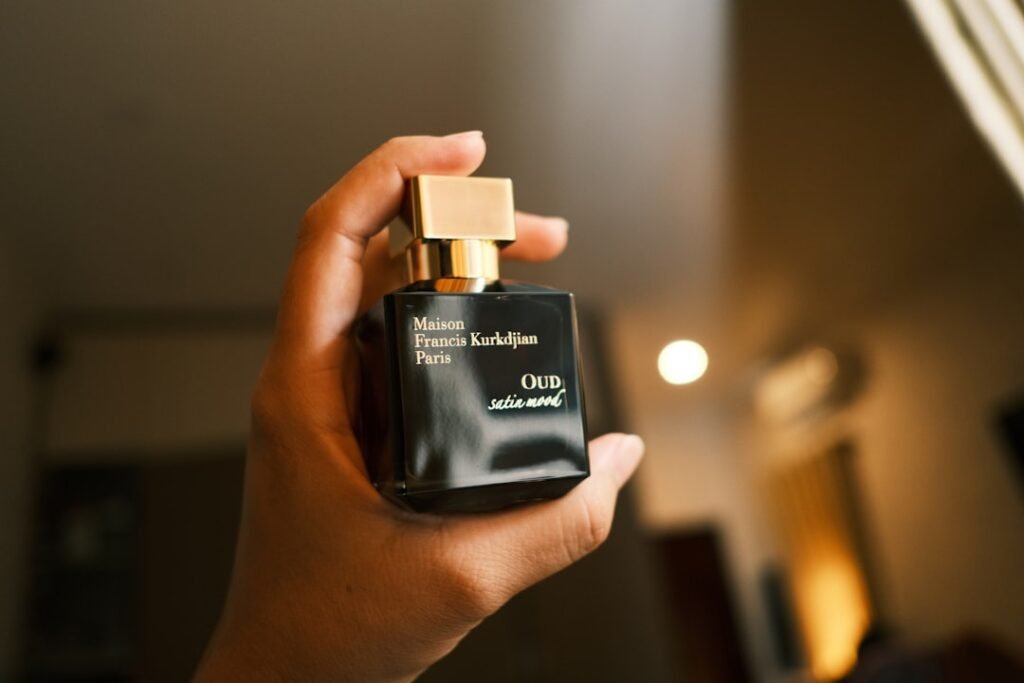
Perfumes come in concentrations—eau de parfum, eau de toilette, cologne—that affect staying power. For longer wear, choose eau de parfum or parfum when possible; they have higher perfume oil percentages and last longer on skin.
3. Apply with intent: where and how
Spritzing randomly wastes product. Use targeted placement and technique.
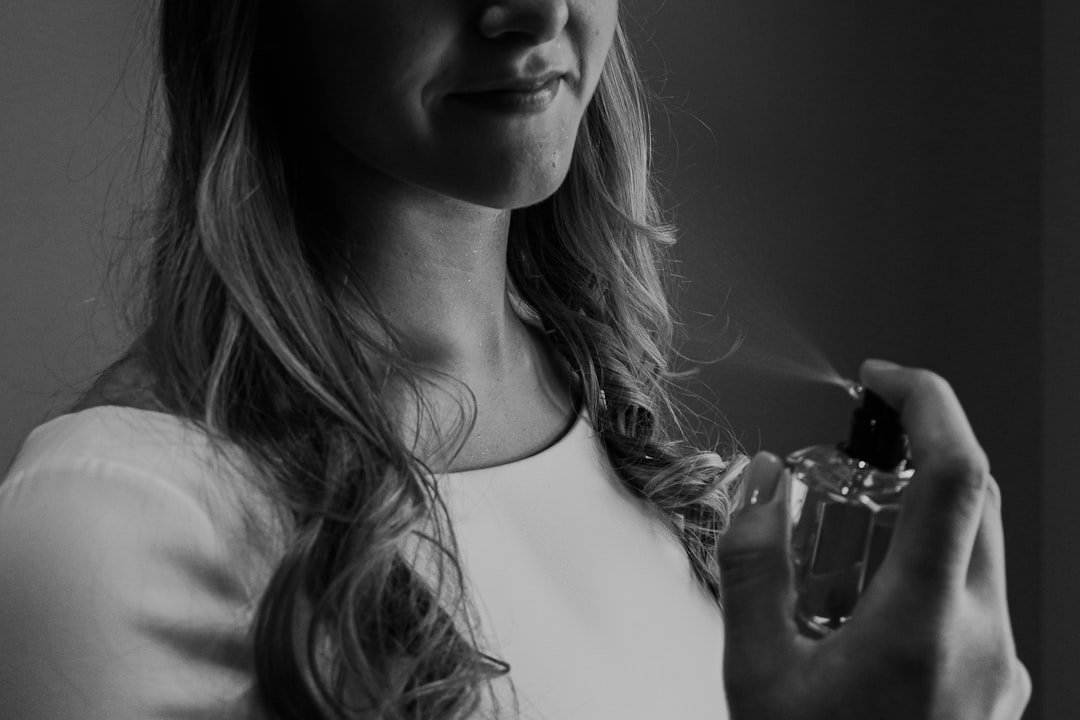
- Apply to pulse points: wrists, the hollow at the base of the throat, behind the ears, and the inner elbow. These areas emit heat and help projected scent without oversaturating clothing.
- Don’t rub wrists together. Rubbing breaks down the fragrance’s top notes and shortens its life; instead, lightly dab if you must spread it.
- For an all-over subtle trail, spray once in front of you and walk through the mist so droplets land evenly on hair and clothing.
- Be cautious with hair—alcohol in some perfumes can be drying. A quick spray from several inches away or a hair perfume is safer.
4. Layering: repeat notes without confusion
Layering means using multiple products that share similar notes to extend life and complexity.
- Start with a compatible body lotion or oil, then add perfume. If you only have scented lotions that clash, stick with unscented moisturizer.
- Use matching or complementary products (shower gel, body mist, and perfume from the same line) to reinforce base notes rather than piling unrelated scents together.
5. Protect your bottle and store perfume correctly
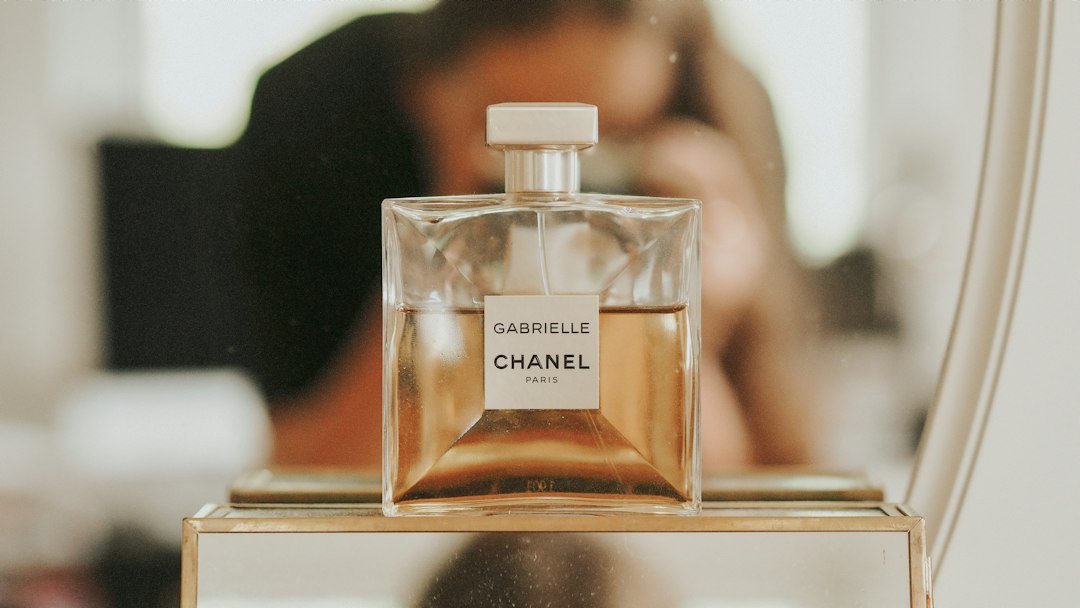
Heat, light and oxygen degrade fragrance oils so the scent will change and weaken over time. Store bottles upright in a cool, dark place away from direct sunlight and the bathroom’s humidity. Decant only what you plan to use in the near term into a small travel atomizer to avoid repeated air exposure of the main bottle.
6. Smart daytime refreshes without overdoing it
Instead of repowering with multiple sprays, use subtle touch-ups.
- Carry a small refillable atomizer for a single gentle spritz—focus on the throat or a hair toss rather than wrists.
- If you need a quick lift, lightly mist the inside of your coat or scarf; fabric holds scent longer than skin and releases it as you move.
- Refresh with a light layer of a complementary hand lotion on pulse points before a tiny spritz if your skin is dry midday.
7. Match fragrance family to season and activity
Heavier orientals and woody base notes last longer in cool, dry weather; lighter citrus or aquatic scents will naturally be fresher but shorter-lived in heat. For long days outdoors or during exercise, choose an eau de parfum with richer base notes to maintain presence.
Troubleshooting: why your perfume still disappears
- Too dry skin: Add a richer moisturizer or dab on a small bit of unscented oil (jojoba or argan) before spraying.
- Overly fragranced closet or products: Conflicting odors in clothing or detergents can mask your perfume—opt for neutral laundry detergents or wash the garment before using it as a scent carrier.
- Wrong application: If you only spray on clothes, the scent may sit on fabric and smell different; combine a skin application with a light fabric mist for balance.
- Expired fragrance: If a perfume smells off or flat, it may have oxidized—store properly and replace when notes flatten or color darkens unusually.
One product that helps you test and travel scents
If you want to experiment with longer-lasting formulations and find which base notes work best for you, a discovery set is a pragmatic first step—try several concentrated samples before committing to a full bottle. For convenience and variety, consider the Henry Rose Warm Collection Discovery Set to sample complementary warm, long-lasting accords.
- Apply unscented or matching moisturizer to slightly damp skin.
- Use eau de parfum or parfum for longer wear when possible.
- Spray pulse points, avoid rubbing wrists together.
- Decant a small atomizer for touch-ups and place in your bag.
- Store main bottle in a cool, dark place away from humidity.
Longevity comes from chemistry and method: give fragrance something to cling to, place it where body heat helps diffusion, and refresh sparingly with a travel spray or fabric mist. Small, deliberate changes will keep your scent noticeable all day without over-spraying.
How many sprays are enough?
Two to four targeted sprays is usually sufficient—one or two on pulse points and one in front of you to mist hair or clothing lightly.
Is it better to spray perfume on skin or clothing?
Skin offers a truer evolution of the fragrance; clothing holds scent longer but can alter top notes and stain delicate fabrics, so combine both strategically.
Can I layer different perfumes to make them last longer?
Only layer if the fragrances share complementary notes; otherwise, scents can clash and shorten perceived longevity. Start with similar-family body products.
Do stronger fragrances always last longer?
Higher concentration formulas (e.g., parfum) typically last longer, but composition matters—base notes like amber, vetiver and musk anchor scent more than concentration alone.
How should I store perfume at home?
Keep bottles upright in a cool, dark place away from direct sunlight and humidity—avoid storing them in the bathroom.