
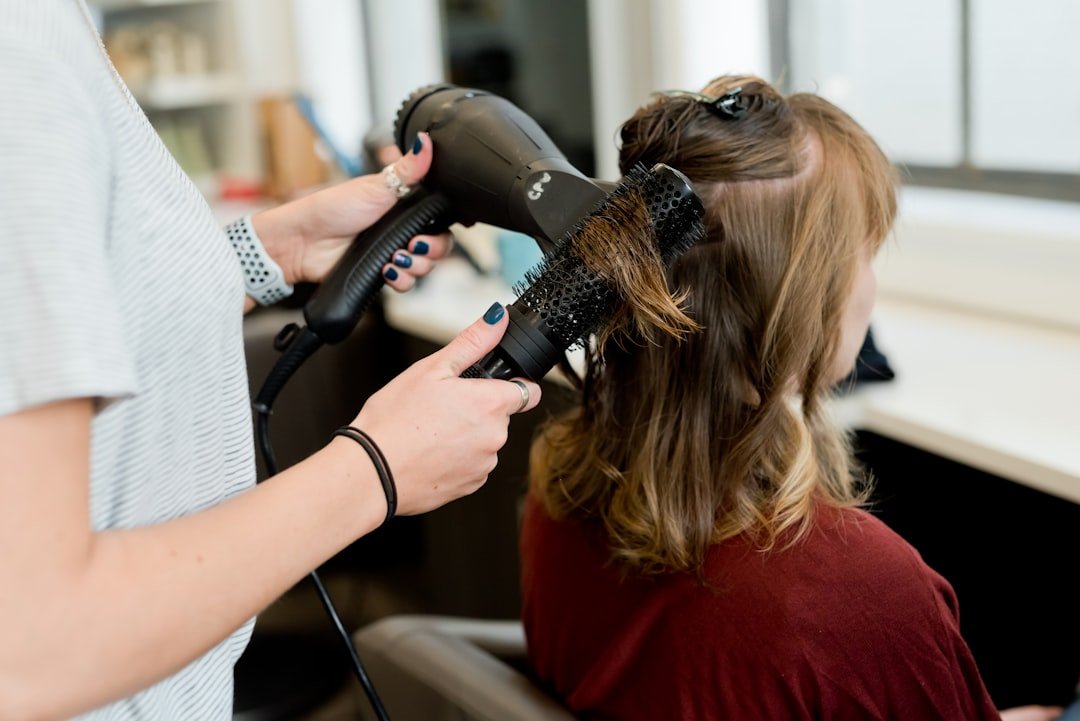
LuxeBeautyCompass: heat styling can give you salon-smooth results, but without the right approach it’s one of the fastest ways to weaken, frizz, and break hair. This guide focuses on practical steps you can use now to protect your hair while still enjoying the styles you love.
Follow these strategies for choosing tools, prepping hair, using heat safely, and restoring moisture afterward. Each section includes actionable tips and product-oriented suggestions so you can build a reliable heat-care routine.
Understand What Heat Does to Hair
Hair is made of keratin and held together by internal bonds and an outer cuticle. High heat temporarily breaks hydrogen bonds to reshape hair, but repeated or excessive heat can melt proteins, lift and crack the cuticle, and strip moisture. Signs of heat damage include dullness, increased porosity, split ends, and a straw-like texture.
Choose Your Tools Wisely
Investing in quality tools minimizes exposure time and provides more consistent heat distribution. Look for plates and barrels with even heating and temperature control; nano-titanium or ceramic can reduce hot spots and friction. For a multi-use, adjustable option consider the TYMO AIRQ Dual-Size Airflow Flat Iron, which offers dual-size plates and precise heat settings for different textures.
Drying Techniques Before Styling
Never apply high-heat styling tools to dripping wet hair. Towel-blot, gently remove excess moisture, and use a blow dryer with a decent wattage and a diffuser or concentrator to finish drying. A dryer like the Conair Double Ceramic Hair Dryer with ionic technology and a concentrator helps reduce dry time and frizz while smoothing the cuticle.
Always Use a Heat Protectant
A dedicated thermal protectant creates a barrier between heat and the hair shaft, lowers the temperature reaching the cortex, and adds slip to reduce friction. For everyday protection, a leave-in spray like L’Oreal Paris EverPure Moisture 21-in-1 Leave-In Conditioner offers detangling and heat defense up to high temps.
For smoothing and added shine, lightweight oils applied primarily to mid-lengths and ends can help. The Mise En Scene Perfect Serum is a popular option that adds slip and glossy finish; use sparingly to avoid weighing hair down.
When you want smoothing and damage-repair benefits during styling, a heat-protective styling cream like Bumble and bumble Repair Blow Dry can seal cuticles and reduce the need for multiple passes with hot tools.
Set the Right Temperature and Technique
Match temperature to hair type: fine or chemically treated hair typically needs 250–300°F (120–150°C), medium hair 300–375°F (150–190°C), and coarse or very curly hair may require 375–450°F (190–230°C). Lower heat with more passes is not always safer—multiple passes can cumulatively damage hair—so aim for the lowest effective temperature and one steady pass per section.
Section hair into small, even pieces and use a comb between the iron and the hair to reduce pulling. Move the tool steadily; avoid holding in one spot. For curling, wrap hair loosely to avoid excessive tension and pin curls while they cool for longer-lasting shape with less re-heating.
Pre- and Post-Styling Hair Care
Hydrated, resilient hair withstands heat better. Use a nourishing conditioner and weekly deep treatments. For daily conditioning that targets dry or brittle hair, consider Redken All Soft Conditioner to maintain flexibility and manageability.
If your hair is dry and needs continual moisture replenishment, a restorative oil like Maria Nila True Soft Argan Oil applied to ends after styling helps lock in shine and reduce friction from brushing.
Tools Maintenance and Visibility While Styling
Clean plates and dryer filters regularly—product build-up raises required temps and creates uneven heat. Store irons and dryers safely and replace worn pads. Good lighting helps you spot frizz, split ends, and uneven texture so you can adjust technique as you go; a bright, shadow‑free mirror makes a difference. Consider a Premium Lighted Makeup Mirror for clearer visibility when styling at home.
Weekly Treatments and Recovery
Once a week, use a protein or moisturizing treatment depending on your hair’s needs. Over-processed hair often benefits from bond-repair or gentle protein treatments, while chronically dry hair needs richer masks that restore lipids. Limit chemical services while you actively repair heat damage.
Quick Checklist: Protect Your Hair From Heat
- Towel-blot, then pre-dry hair before hot tools.
- Use a quality heat protectant spray or serum every time.
- Choose tools with temperature control and even heat distribution.
- Set the lowest effective temperature for your hair type.
- Work in small sections and make one steady pass per section.
- Condition regularly and use a weekly mask or oil on ends.
- Clean tools and use good lighting to monitor results.
FAQ
Q: How often can I heat-style without causing damage?
A: Frequency depends on your hair’s health—aim to limit high-heat styling to 1–3 times per week and use protective products on styling days.
Q: Are silicone-based serums bad for hair?
A: Silicones add shine and reduce friction; they’re helpful when used correctly. Clarify occasionally to prevent buildup and alternate with nourishing masks.
Q: Can I flat-iron wet hair safely?
A: No—flat-ironing wet hair risks severe damage. Hair should be mostly dry before using straighteners; use a good dryer first.
Q: Which is better: oil or cream heat protectant?
A: It depends on hair type. Lightweight sprays and creams suit fine to medium hair; lightweight oils or oil-serums are better for dry, coarse ends—use sparingly to avoid heaviness.
Q: How do I repair already heat-damaged hair?
A: Reduce heat exposure, trim split ends, use weekly protein and moisturizing treatments, and switch to gentle, strengthening products until the hair recovers.
Conclusion
Protecting hair from heat is a balance of choosing the right tools, using effective heat protectants, controlling temperature, and maintaining consistent hydration and care. Implement the checklist items above, invest in reliable tools and products, and you’ll keep your styles sleek without sacrificing hair health.
Products Featured in This Article
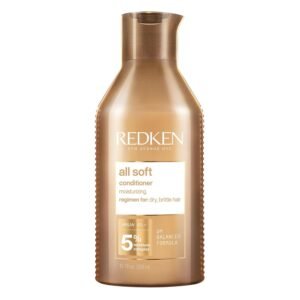
Redken All Soft Conditioner – For…
Argan Oil Conditioner: Redken professional salon conditioner that softens, nourishes, and conditions hair from root to…
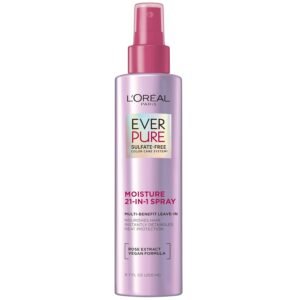
L’Oreal Paris EverPure Moistu…
Leave In Conditioner For Dry Damaged Hair: This L’Oreal Paris EverPure Moisture 21-in-1 Leave In Conditioner…
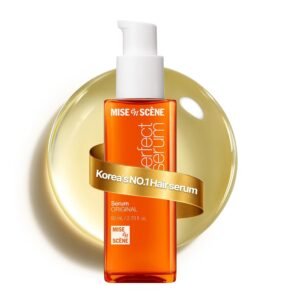
Mise En Scene Perfect Serum Origina…
𝗡𝗼.𝟭 𝗞𝗼𝗿𝗲𝗮𝗻 𝗛𝗮𝗶𝗿 𝗦𝗲𝗿𝘂𝗺 𝗳𝗼𝗿 𝟭𝟭 𝗖𝗼𝗻𝘀𝗲𝗰𝘂𝘁𝗶𝘃𝗲 𝗬𝗲𝗮𝗿𝘀 : Feel the immediate effect of iconic serum…
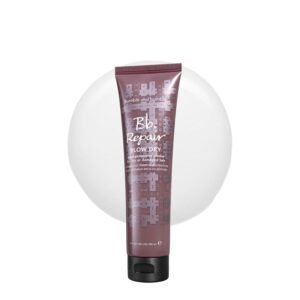
Bumble and bumble. Repair Blow Dry …
WHAT IT IS: A heat-protective cream that helps fix split ends.IDEAL FOR: Medium to Thick hair…
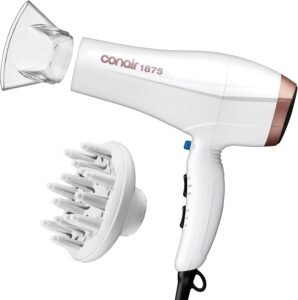
Conair Double Ceramic Hair Dryer wi…
FAST, FRIZZ-CONTROLLED DRYING: Double Ceramic Technology and Ionic Conditioning help dry shoulder-length styles fast while smoothing…
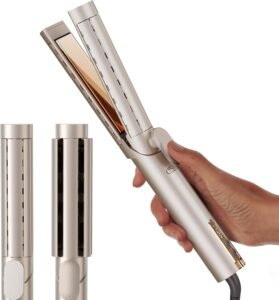
TYMO AIRQ Dual-Size Airflow Flat Ir…
ONE GLIDE, ZERO WAIT – Skip the 5–10 second holding time required by a traditional curling…