
How to Build a Healthy Hair Care Routine for Your Hair Type
Your hair-care routine should be purposeful: tailored to your hair type, simple enough to maintain, and flexible for seasonal or lifestyle changes. A consistent, targeted routine prevents damage, enhances shine, and reduces styling time.
This guide walks you through essential steps—from identifying your hair type to choosing the right products and tools—so you can build a reliable routine that fits your schedule and goals.
Know your hair type and key concerns
Start by assessing texture (fine, medium, coarse), density (thin to thick), porosity (low to high), and whether you’re chemically treated or color-treated. Note common concerns: breakage, frizz, oiliness, limpness, or dryness. The combination of these factors dictates washing frequency, product weight, and treatment selection.
How often to wash: balancing scalp and strand needs
Washing frequency varies: oily scalps may need 2–3 washes per week or more, while dry or curly hair often benefits from once a week or co-washing. Use a gentle cleanser when you reduce frequency; a multi-use, mild soap can help stretch intervals without stripping natural oils. Consider a gentle cleansing option for occasional full cleanses to preserve moisture and scalp balance, especially if you’re trying to reduce harsh surfactants: Dr. Bronner’s Rose Pure-Castile Liquid Soap.
Shampoo and conditioner: match the formula to your hair
Pick shampoos and conditioners that address both hair type and concern. For brittle or dry hair, prioritize reparative, moisturizing conditioners that restore elasticity and reduce breakage. If your hair is dry or chemically treated, a rich, emollient conditioner used regularly will improve manageability and shine—consider a nourishing option designed for dry, brittle strands like Redken All Soft Conditioner. Apply conditioner primarily to mid-lengths and ends; avoid heavy buildup at the roots unless you have a dry scalp.
Deep treatments, masks and weekly rituals
Integrate a deep-conditioning mask or protein treatment 1–2 times per month depending on damage level. Low-porosity hair responds best to lighter masks and mild heat (wrap with a warm towel) to improve penetration, while high-porosity hair benefits from richer, oil-based masks. For a weekly nourishment boost, choose products with argan or similar restorative oils and look for sulfate- and paraben-free formulas suited to sensitive or processed hair: Maria Nila True Soft, Moisturizing Argan Oil provides lightweight moisture without weighing fine strands down.
Leave-ins and heat protection: your daily defense
Leave-in conditioners and heat protectants are must-haves if you use heat tools or live in extreme climates. A multi-benefit leave-in detangles, mitigates frizz, and adds slip for combing; a quality heat protectant prevents cuticle damage when styling. For daily styling and thermal defense, choose a product that doubles as detangler and heat shield, with protection up to high temperatures: L’Oreal Paris EverPure Moisture 21-in-1 Leave-In Conditioner is a practical all-in-one option for many hair types.
Oils and serums: when and how to use them
Use oils sparingly on mid-lengths and ends to seal moisture and smooth the cuticle. Apply a pea-sized amount to towel-dried hair for overnight treatments or a tiny dab to dry hair for finishing shine. Lightweight serums work well on fine hair; richer oils suit coarse or very dry ends. For a heat-safe finishing oil that tames frizz and adds gloss, keep a travel-size serum on hand: Mise En Scene Perfect Serum Original is effective for smoothing and shine.
Styling products and techniques for lasting results
Match product weight to hair density: mousses and light creams for fine hair, richer creams or creams-butters for thicker textures. When controlling frizz and protecting from daily heat, a styling cream that smooths and seals cuticles helps reduce tension from brushing and minimize split ends. For routine smoothing and to cut blow-dry time while protecting stressed ends, choose a protective styling cream designed for repair and heat defense: Bumble and bumble. Repair Blow Dry works well as a pre-heat styling step.
Tools matter: drying and heat-styling best practices
Invest in quality tools and learn gentle techniques. Use a diffuser for curls to minimize frizz and a nozzle for straightening to direct airflow. Keep blow-dryer heat to medium-high and finish with cool air to seal the cuticle. A reliable dryer with attachments helps you style efficiently while reducing damage: Conair Double Ceramic Hair Dryer with Diffuser offers ionic technology and a diffuser for curl definition.
Straightening, curling and minimizing damage
If you straighten or curl regularly, choose a high-quality plate or barrel that heats evenly and has adjustable temperature control. Use the lowest effective temperature and keep passes over a section to one or two times maximum. For dual-purpose tools that let you create waves without excessive passes, pick a versatile iron with consistent heat distribution: TYMO AIRQ Dual-Size Airflow Flat Iron gives you control and efficiency for both straightening and beachy curls.
Maintenance: trims, sleep habits and combing
Trim every 8–12 weeks to remove split ends and preserve shape. Sleep on a silk or satin pillowcase to reduce friction and breakage; loosely braid long hair or use a soft scrunchie to prevent tangles. Wide-tooth combs detangle wet hair gently; use a boar-bristle or mixed brush on dry hair to distribute natural oils.
Quick checklist
- Identify hair type and main concerns.
- Adjust wash frequency to scalp oil production.
- Use matching shampoo + a moisturizing conditioner.
- Apply leave-in or heat protectant before styling.
- Deep condition weekly or biweekly if dry/damaged.
- Use quality tools and keep heat low-to-moderate.
- Trim regularly; sleep on silk or satin when possible.
Conclusion — one practical takeaway
Start with three consistent habits: the right shampoo/conditioner for your hair, a reliable leave-in or heat protectant, and a weekly treatment. Build from there by adding targeted oils, a protective styling product, and quality tools. Small, consistent choices protect hair health and reduce styling time.
FAQ
Q: How do I know if my hair is damaged or just dry?
A: Dry hair looks and feels rough, lacks shine, and tangles easily; damaged hair shows split ends, breakage, and excessive porosity. A simple strand test (stretch a wet strand gently—if it snaps, it’s damaged) can help guide treatment intensity.
Q: Can I use oils on fine hair without weighing it down?
A: Yes—use very small amounts on ends only and choose lightweight oils or serums. Avoid applying oil to roots or mid-lengths on fine hair.
Q: How often should I use heat-styling tools?
A: Limit regular heat styling to a few times a week; when you do, use a quality heat protectant and the lowest effective temperature setting.
Q: Are leave-in conditioners necessary for all hair types?
A: Not strictly necessary, but they’re highly beneficial for detangling, heat protection, and moisture. Fine, oily hair can use lightweight leave-ins or avoid heavy creams.
Q: What’s the best way to extend time between washes?
A: Use dry shampoos or gentle scalp refreshers, sleep on a clean pillowcase, and try low-manipulation styles. If scalp odor or oil is excessive, reduce product buildup with a mild cleanser when needed.
Products Featured in This Article
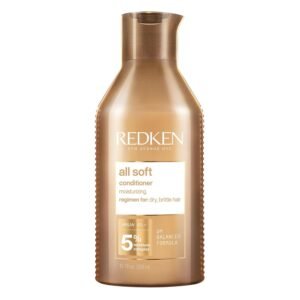
Redken All Soft Conditioner – For…
Argan Oil Conditioner: Redken professional salon conditioner that softens, nourishes, and conditions hair from root to…
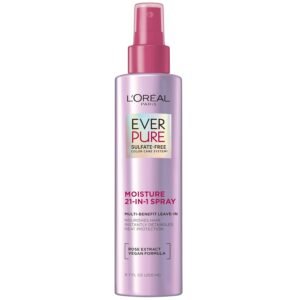
L’Oreal Paris EverPure Moistu…
Leave In Conditioner For Dry Damaged Hair: This L’Oreal Paris EverPure Moisture 21-in-1 Leave In Conditioner…
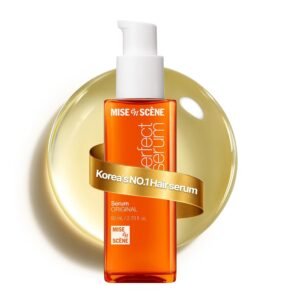
Mise En Scene Perfect Serum Origina…
𝗡𝗼.𝟭 𝗞𝗼𝗿𝗲𝗮𝗻 𝗛𝗮𝗶𝗿 𝗦𝗲𝗿𝘂𝗺 𝗳𝗼𝗿 𝟭𝟭 𝗖𝗼𝗻𝘀𝗲𝗰𝘂𝘁𝗶𝘃𝗲 𝗬𝗲𝗮𝗿𝘀 : Feel the immediate effect of iconic serum…
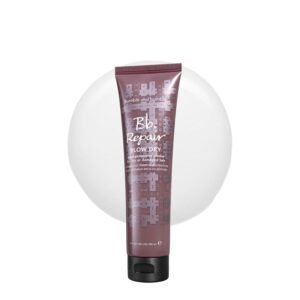
Bumble and bumble. Repair Blow Dry …
WHAT IT IS: A heat-protective cream that helps fix split ends.IDEAL FOR: Medium to Thick hair…
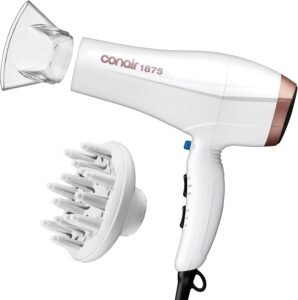
Conair Double Ceramic Hair Dryer wi…
FAST, FRIZZ-CONTROLLED DRYING: Double Ceramic Technology and Ionic Conditioning help dry shoulder-length styles fast while smoothing…
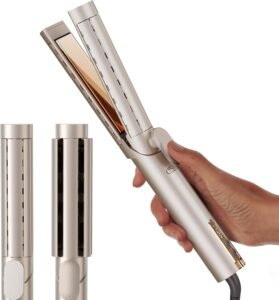
TYMO AIRQ Dual-Size Airflow Flat Ir…
ONE GLIDE, ZERO WAIT – Skip the 5–10 second holding time required by a traditional curling…
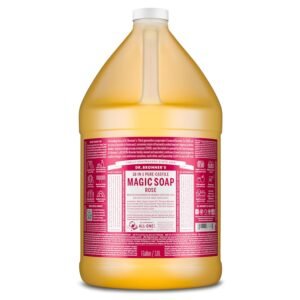
Dr. Bronner’s Rose Pure-Casti…
RICH LATHER, CLEAN FEEL: Dr. Bronner’s Pure-Castile Magic Liquid Soap is a true soap, with rich,…