
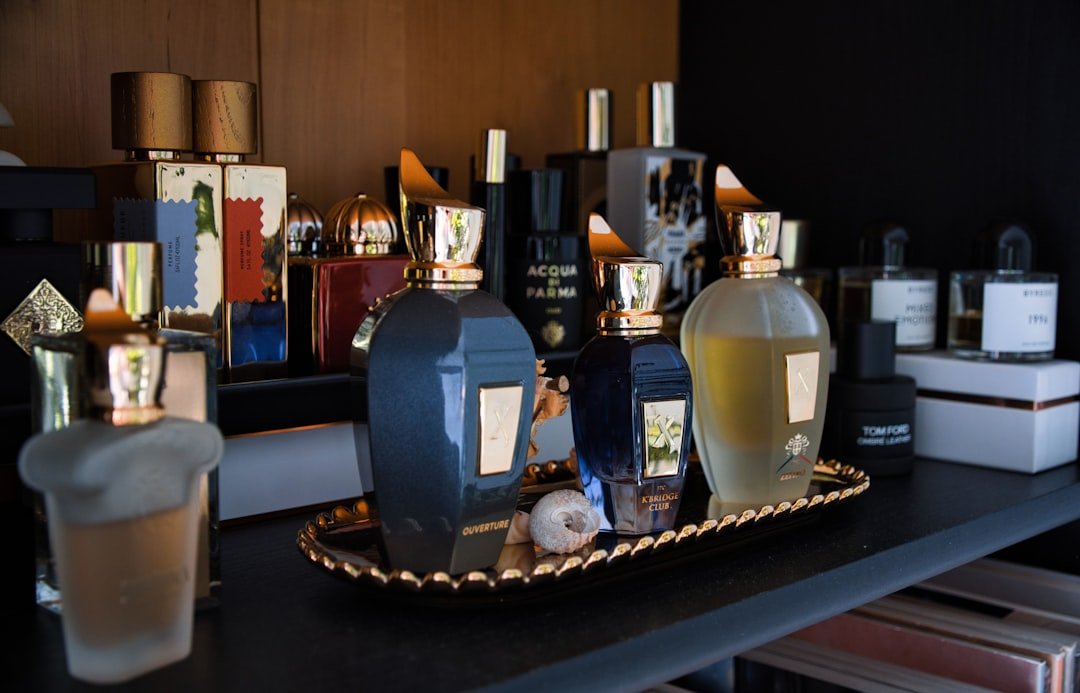
How to Properly Store Perfume and Protect Its Fragrance
Perfume is an investment in mood, memory and presence. The way you store it directly affects how it smells, how long it lasts, and how well it represents the scent the perfumer intended.
Whether you have a single signature bottle, a shelf of niche releases, or a set of minis for rotation, small changes to storage habits can preserve fragrance clarity and longevity. If you enjoy sampling scents before committing, consider Luxury Fragrance Discovery Sets to test responsibly and avoid opening full bottles prematurely.
For collectors who travel or prefer minis, a curated set like the Gucci 4 Piece Mini Discovery Set is a practical way to experience variety while limiting exposure of your main bottles.
Why Proper Storage Matters
Perfumes are complex mixtures of volatile aromatic molecules. Heat, light, oxygen and humidity accelerate chemical changes that dull top notes, muddle middles and darken base notes. Proper storage slows oxidation, evaporation and breakdown of delicate components so a fragrance ages gracefully rather than spoiling.
Temperature: Keep It Cool and Consistent
Temperature swings are one of the main culprits in fragrance degradation. High heat speeds up chemical reactions; cold can cause components to separate or cloud. Aim for a steady, cool environment—around 15–20°C (59–68°F) is ideal. Avoid placing bottles over radiators, on windowsills, or near heat-producing appliances.
If you live in a humid climate or use devices that increase room humidity—like Premium Facial Steamers—keep perfume storage away from bathrooms and steam-prone areas to prevent moisture-related changes.
Light Exposure: Store in the Dark
Ultraviolet and visible light break down fragrance molecules and can change a perfume’s color and scent profile. Even bottles stored on bright vanities will gradually shift if exposed to direct light. Whenever possible, keep perfumes inside their original boxes or a dark drawer.
If you display bottles for aesthetics, place them where they aren’t hit by direct sunlight or the bright bulbs used for makeup application—like those from Premium Lighted Makeup Mirrors. A subtle display is fine, but rotate display items and store backups out of the light.
Air Exposure & Bottle Handling
Oxygen is another silent enemy. Frequent opening exposes the perfume to air and can cause the most fragile notes (especially citrus and green top notes) to fade first. Keep bottles topped when not in use and avoid unnecessary decanting. Spray bottles with atomizers are generally better sealed than splash-top bottles.
Fragrance oils and many body products behave similarly to perfumes in their sensitivity to air and light—handling them carefully preserves scent and efficacy. For context, storing products like Luxury Body Oils follows the same principles: cool, dark, tightly sealed containers lengthen shelf life.
Original Packaging, Decanting and Travel
Original boxes were designed to shield perfume from light and temperature fluctuation. Keeping bottles in their boxes is one of the easiest preservation steps. If you decant for travel, use high-quality travel atomizers and fill them properly to minimize headspace, which reduces oxidation.
For short-term portability, consider using travel-friendly sprays and mists rather than exposing your main bottle. Products like Luxury Body Mists are formulated for daily top-ups and can reduce wear on signature bottles.
Where Not to Store Perfume
Many people instinctively store fragrances in the bathroom. Don’t. Bathrooms experience frequent temperature and humidity swings from showers and baths, which accelerate breakdown. Keep perfume away from steam and water sources—avoid placing bottles near sinks, showers, or humidifiers.
Even cosmetic bath items should be kept separate; if you store bath products like Luxury Bath Bombs in the same cabinet, ensure the cabinet is cool and dry and that bottles remain closed to prevent cross-contamination of scents.
Organizing and Caring for a Collection
Organize by frequency of use: daily signature bottles should be easy to reach (but still dark), seasonal scents can sit in storage boxes, and rare or vintage bottles deserve the safest spot. Use opaque storage boxes or drawers, and label where necessary to avoid frequent handling.
If you need protective packaging or storage solutions and don’t see a dedicated category here, check miscellaneous storage or small-item organizers listed under Uncategorized for options that fit perfume bottles and travel atomizers.
How to Tell When a Perfume Has Gone Bad
Perfumes do not always “expire” on a specific date, but they do change. Signs of spoilage include:
- Darkened or cloudy liquid
- A distinctly sour, metallic or off aroma
- Loss of top-note brightness or a flat scent profile
If the fragrance smells significantly different from what you remember, it’s likely oxidized. Store old bottles away from regular rotation—if the scent still brings you joy, use it; otherwise decant for short-term use or recycle the bottle responsibly.
Practical Daily Tips
- Keep perfumes in their original boxes when not in use.
- Store bottles upright to protect the integrity of the stopper or atomizer.
- Avoid extremes: no bathrooms, windowsills, or near heaters.
- Limit spraying directly onto fabrics you plan to launder—some ingredients can stain.
- Use travel atomizers to reduce opening large bottles while away from home.
Checklist: Quick Storage Actions
- Store bottles in a cool, dark place (closed drawer or closet shelf).
- Keep caps on and avoid unnecessary opening.
- Use original boxes for light protection.
- Rotate display items and keep backups boxed.
- Decant for travel into quality atomizers to minimize oxidation.
FAQ
How long does perfume last once opened?
Most perfumes keep their integrity for 3–5 years if stored properly; some high-quality, alcohol-based fragrances can last longer. Changes in smell, color or clarity are the best indicators.
Is refrigeration a good idea?
A consistently cool, dark environment is helpful, but refrigeration can introduce moisture and odor cross-contamination if not airtight. A cool closet or drawer is usually sufficient.
Can I store perfume in its box on a shelf?
Yes. Original boxes add a layer of protection against light. Placing boxed bottles on a shelf inside a closet is a practical storage solution.
Do display bottles degrade faster?
They can if exposed to light and heat. If you display bottles, avoid direct sunlight and bright makeup lights; rotate displayed bottles with boxed backups periodically.
Is decanting safe for long-term storage?
Decanting increases exposure to air and is best used for short-term travel or sampling. For long-term preservation, keep the fragrance in its original, sealed bottle.
Conclusion
Protecting fragrance is about controlling temperature, light, humidity and air exposure. Store perfumes cool and dark, keep bottles capped, use boxes, and limit unnecessary handling—small habits deliver big results in scent preservation. As a practical takeaway: choose a cool drawer or closet shelf for your everyday bottles, keep backups boxed, and use travel atomizers to avoid exposing full bottles when you’re on the go.
Products Featured in This Article
Gucci 4 Piece Mini Discovery Set
Guilty Pour Femme Eau de Parfum (0.16 oz)Bloom Eau de Parfum (0.16 oz)Flora Gorgeous Gardenia Eau…