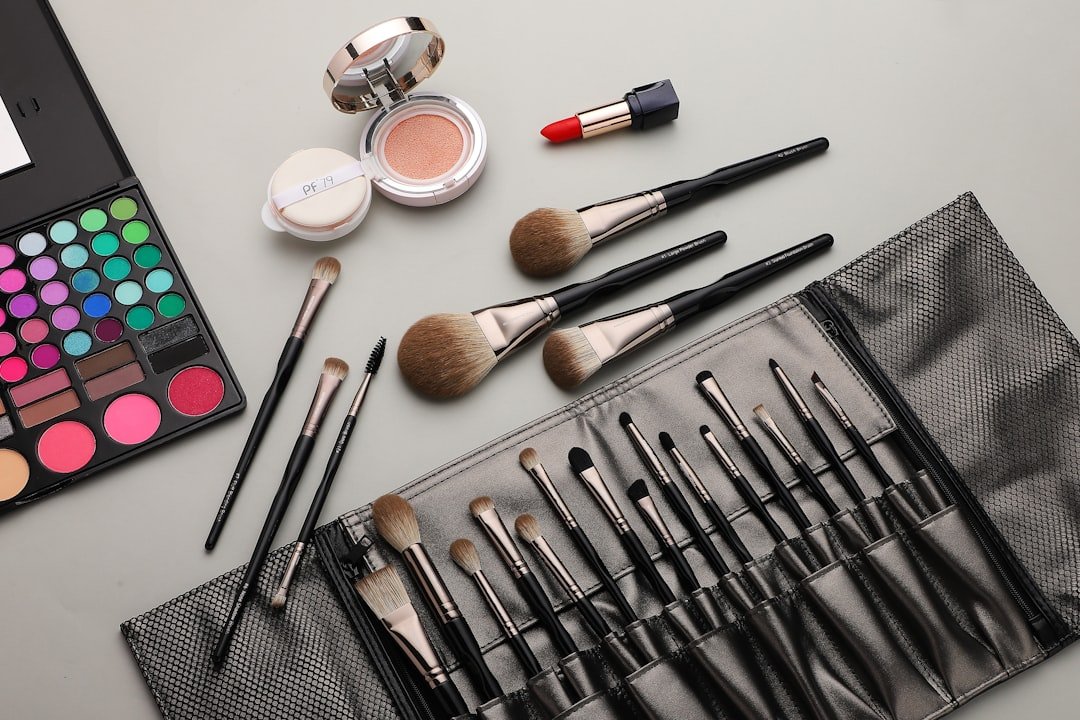
How to Properly Clean and Care for Your Makeup Brushes
Great makeup finishes with great tools. Clean brushes apply product smoothly, prevent color muddying and extend the life of your favorite tools. If you invest in a set, proper maintenance keeps them performing like new.
If you’re building a collection, consider starting with a quality set that’s worth caring for—investing in a durable option can save money long term and improve results. Browse curated options like Luxury Makeup Brush Sets to find brushes with the right hair type and construction for your routine.
Why cleaning your brushes matters
Leftover makeup, oil and bacteria build up in bristles over time. That buildup can cause patchy application, clogged product and can even aggravate skin. Cleaning regularly reduces transfer of oils and dead skin to fresh product and helps preserve brush shape and integrity.
If you also use facial tools, pairing clean brushes with devices designed for skin hygiene can help maintain healthy skin routines; shops that carry Premium Facial Cleansing Brushes offer complementary tools to keep canvas and brushes in sync.
What you’ll need
Gather these basics before you start: a gentle brush cleanser or mild shampoo, a small bowl, lukewarm water, a towel, and a way to reshape and dry brushes flat. If you own a popular starter set like the Jessup Makeup Brushes 14Pcs or similar, the following methods will keep them soft and functional.
Quick cleans between uses
For fast touch-ups—cream products or powder changes—use a quick-dry brush spray or a rinse-free cleaner designed for makeup removal. These formulas break down surface makeup without a full wash and cut down on daily buildup.
A reliable, rinse-free option to keep on your vanity: Original Vanilla Makeup Brush Cleaner is formulated for fast, on-the-go cleaning between shades.
Deep cleaning: step-by-step
Deep-clean brushes weekly for frequently used face brushes (foundation, concealer, cream bronzer) and every 1–2 weeks for eye brushes, depending on use.
- Rinse bristles under lukewarm water, avoiding the ferrule (metal band) and handle to protect the glue.
- Place a small amount of gentle cleanser or baby shampoo in the palm or a silicone mat and gently swirl the brush, working product out of the bristles.
- Rinse until water runs clear, squeezing excess water carefully from the base to tip.
- Gently reshape the brush head and lay flat to dry with the bristles overhanging the edge of a counter to retain shape and allow airflow.
For professionals or enthusiasts who clean often, electric cleaning devices can cut drying time and improve rinsing efficiency—see options under Premium Electric Makeup Brush Cleaners.
Synthetic vs. natural fiber brushes: different care, same basics
Synthetic brushes (common for liquid and cream products) tolerate regular washing well and dry faster. Natural hair brushes (preferred for powder work) require gentler handling and less frequent heavy cleaning to avoid drying the hair out.
Always use a mild soap for natural hair and avoid boiling or soaking the handle. After washing natural bristles, condition them gently with a tiny amount of hair conditioner if they feel dry, rinse thoroughly and reshape.
Prep and pairing: clean skin, clean tools
Cleaning brushes is one part of a full routine. Preparing skin before makeup helps brushes deliver better results and prevents product transfer. Steaming can help open pores and improve skin texture prior to treatments or deep cleansing—some opt for at-home devices such as the Professional Facial Steamer for deep-prep sessions.
Drying and storage best practices
Always dry brushes flat or bristles-down to prevent water seeping into the ferrule. Avoid upright drying where moisture can damage the glue and loosen hairs.
Store brushes in a breathable case or cup away from direct heat and sunlight. Position your tools on a well-lit, organized vanity—paired with a quality mirror like the Zadro Laguna 11″ Makeup Mirror—to keep brushes accessible and reduce the urge to use dirty brushes in a rush.
Eye brushes, spoolies and other small tools
Eye brushes and spoolies collect oils and mascara quickly. Clean these more often and use a gentle approach: dip spoolies in a diluted cleanser and rinse thoroughly; reshape small eye brushes and dry flat. While maintaining lashes and the small tools you use on them, keep related hardware in good condition as well—consider care for items in the Premium Eyelash Curlers category to avoid spreading bacteria from old or dirty curlers to lashes and skin.
When to replace brushes
Even with careful maintenance, brushes wear out. Replace brushes when they shed heavily, lose shape, become overly stiff or when deep-cleaning no longer restores performance. Investing in a high-quality replacement set is often more cost-effective than repeatedly replacing cheap brushes.
Checklist: Brush Cleaning Essentials
- Weekly deep-clean for face brushes; biweekly for eyes (or based on use)
- Quick-dry cleaner for between-shade touch-ups
- Use lukewarm water and mild soap; avoid soaking ferrules
- Dry flat and reshape immediately after rinsing
- Rotate brushes—replace when shedding or performance drops
- Keep brushes and skin prep tools stored and maintained
FAQ
- How often should I wash foundation brushes?
Weekly if used daily; more often if you use heavy cream or full-coverage products.
- Can I use dish soap to clean brushes?
Use a gentle soap or brush-specific cleanser; dish soap can be too drying for natural bristles. For synthetic brushes, a mild shampoo works well.
- Is it okay to put brushes in the dishwasher?
No. High heat and water pressure can deform bristles and damage handles and ferrules.
- Can quick-dry sprays replace deep cleaning?
They’re great between uses but don’t remove deep buildup—use both methods to keep brushes sanitary and functional.
- How should I store brushes while traveling?
Use a protective roll or hard case and ensure brushes are completely dry before packing to prevent mildew and odor.
Practical takeaway: establish a simple routine—daily quick-cleaning for changeovers and weekly deep washes for core face brushes—and store brushes flat and dry. With these steps you’ll protect your investment and enjoy smoother, cleaner makeup application.
Products Featured in This Article

Professional Facial Steamer,Hot �…
Hot&Cold facial Steam: Features both hot and cold steam modes to help minimize pores, soften the…
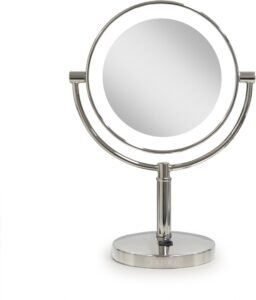
Zadro Laguna 11″ Makeup Mirro…
DIMENSIONS – The Zadro Laguna makeup vanity mirror, standing an impressive 15.5 inches tall and 11…
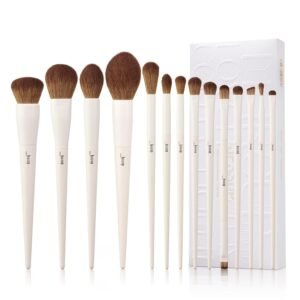
Jessup Makeup Brushes 14Pcs Makeup …
Makeup Brushes Set Professional: Having all of the right makeup brushes and tools when doing your…
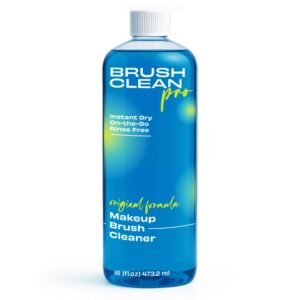
Original Vanilla Makeup Brush Clean…
Instant Deep Clean for All Makeup Types: Effectively removes waterproof, long-wear, and high-pigment makeup while lifting…