

How to Choose the Right Foundation Finish for Your Skin
Choosing a foundation finish isn’t just about preference — it determines how your skin looks in different lighting, how makeup interacts with oils and texture, and how long your look lasts. The right finish enhances your skin, minimizes problem areas, and makes application easier.
This guide breaks down finishes, matches them to skin types and concerns, and walks through prep, tools, and testing so you can pick a foundation finish with confidence.
Understand the main foundation finishes
Know the basic finishes before you shop:
- Matte — oil-absorbing, low shine, great for oily skin and long-wear needs.
- Satin / Natural — a balanced look with mild luminosity, suitable for many skin types.
- Dewy / Luminous — reflective, fresh, ideal for dry or mature skin that benefits from glow.
- Sheer / Skin-like — lightweight, breathable, best when you want minimal coverage but evened tone.
Each finish interacts differently with coverage: matte can emphasize dry patches, dewy can accentuate texture, and satin often offers the most universally flattering compromise.
Match finish to skin type and concerns
Match finish to your skin’s behavior, not just how it looks in photos.
Oily and combination skin: Matte or natural satin finishes control shine and appear less patchy over time. Start with a clean base—regular, gentle cleansing reduces excess oil and helps foundation sit evenly. Consider tools like premium facial cleansing brushes to remove oil and buildup without overstripping.
Dry skin: Dewy or luminous finishes add visible hydration. Avoid heavy mattes that cling to flakes; instead, seal hydration with barrier-repair moisturizers and a light, glowy foundation.
Textured or acne-prone skin: Satin or natural finishes with medium coverage blur imperfections without settling into pits. Heavy dew can highlight surface bumps; super-matte formulas may exaggerate uneven texture.
Consider coverage, longevity, and your lifestyle
Finish and coverage should work together. A full-coverage matte formula lasts longer in humid conditions but needs good skin prep. A lightweight, dewy tint looks natural for short days or camera-free settings but may need touch-ups or setting spray for extended wear.
Ask yourself: Will you be indoors under warm lights, outside in natural daylight, or moving between both? For frequently changing environments, a satin finish often adapts best.
Prep your skin for the finish you want
Good skin prep changes how a finish reads. Exfoliate weekly to remove dry flakes that highlight matte formulas; hydrate daily to ensure dewy foundations sit smoothly. Use primers to control oil or add radiance depending on the chosen finish.
Tools can improve product absorption and the final look. Gentle rolling can help serums and moisturizers penetrate for a smoother base—consider a luxury facial roller when massaging lightweight oils or hydrating creams before makeup.
Tools and application techniques that affect finish
How you apply foundation affects its finish as much as the formula. Brushes give more coverage and a polished surface; sponges provide seamless, skin-like finishes when damp; fingers add warmth and meld product for thin, dewy layers.
If you prefer a structured, blended application, invest in quality tools—well-made brushes make satin and matte bases look even and airbrushed. Consider exploring luxury makeup brush sets for variety and performance.
For those who like specific brush recommendations, a compact, densely packed foundation brush can buff cream and liquid foundations into a smooth finish. If you want a ready set, Jessup Makeup Brushes are a solid, budget-friendly option with the key shapes for base work.
Keep tools clean: dirty brushes and sponges change how products apply, dull finish, and may cause patchiness. Invest in electric brush cleaners to speed up deep cleaning and maintain consistent application.
Special concerns: texture, mature skin, and corrective needs
When skin shows texture or laxity, the wrong finish will magnify flaws. Microcurrent and facial-tone treatments can improve the canvas over time; if you’re exploring at-home devices, tools like the INIA SPHERA microcurrent device can complement topical routines aimed at smoother, firmer-looking skin. Use such tools consistently and follow manufacturer instructions.
For immediate camouflage, opt for medium coverage satin finishes paired with light-reflecting primers rather than heavy matte formulas that sink into depressions.
Check, tweak, and set your finish in the right light
Always assess your finish in natural light if possible and with a bright, color-accurate mirror when you need precision. A well-lit mirror helps you see areas that need blending or mattifying. Consider upgrading your setup to premium lighted makeup mirrors for consistent color and shadow control.
For a specific product with reliable lighting and magnification, the Zadro Laguna 11” Makeup Mirror is a practical option to inspect edges, texture, and shine before you step out.
Finish tips: blot oily zones mid-day for matte, press a tiny amount of cream highlighter over dewy areas if you want targeted glow, or use a finely milled translucent powder where longevity is needed without flattening the look.
Quick checklist before you buy or commit to a finish
- Identify your skin type and typical shine cycle (morning, afternoon, all-day).
- Decide coverage level: sheer, medium, or full.
- Prep consistently: clean, hydrate, and prime according to finish.
- Test in natural light and with a bright mirror.
- Choose application tools that support your desired finish and keep them clean.
- Have one setting product (light powder or mist) to extend wear without changing finish drastically.
FAQ
Q: Can I make a matte foundation look dewy?
A: Yes—mix a few drops of a liquid highlighter or facial oil with the foundation or add a dewy primer underneath. Apply sparingly and blend to avoid patchiness.
Q: How do I prevent a dewy foundation from sliding on oily skin?
A: Use an oil-control primer on T-zone areas, apply foundation with a brush for fuller coverage, and lightly powder only high-shine spots. Blotting papers can help during the day without layering powder.
Q: Will a satin finish hide redness and dark spots?
A: Satin finishes paired with medium coverage formulas conceal redness and spots while maintaining a natural sheen. Use color-correcting concealer on stubborn areas before applying foundation.
Q: How should I test a finish in-store?
A: Apply a small amount to your jawline, blend, wait 5–10 minutes, and check in natural light or use a strong, cool-toned mirror. Wear it for a few hours when possible to evaluate how it oxidizes and holds up.
Q: Do I need different finishes for day and night?
A: Not necessarily. Many people prefer satin or natural finishes for day and deepen coverage or add glow for night. Choose one that fits your lifestyle and keep a setting product handy for long nights.
Conclusion — practical takeaway
Pick a foundation finish that works with your skin’s baseline behavior (oil, dry, textured) and your daily needs (longevity, photos, comfort). Prep properly, use the right tools, and test in good light. If you’re unsure, a satin/natural finish is the safest, most adaptable starting point — then tweak application and setting methods to refine the look.
Products Featured in This Article

INIA SPHERA Upgraded 8-in-1 Microcu…
All-in-One Beauty Technology: Simplify your skincare routine with one versatile device designed for over-the-counter aesthetic care….
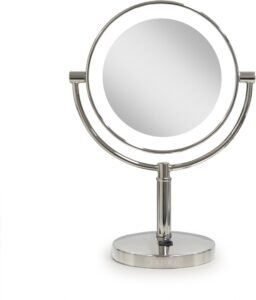
Zadro Laguna 11″ Makeup Mirro…
DIMENSIONS – The Zadro Laguna makeup vanity mirror, standing an impressive 15.5 inches tall and 11…
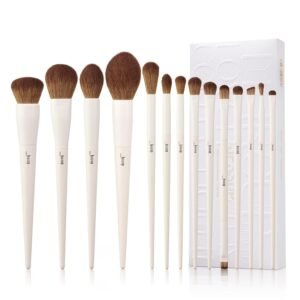
Jessup Makeup Brushes 14Pcs Makeup …
Makeup Brushes Set Professional: Having all of the right makeup brushes and tools when doing your…