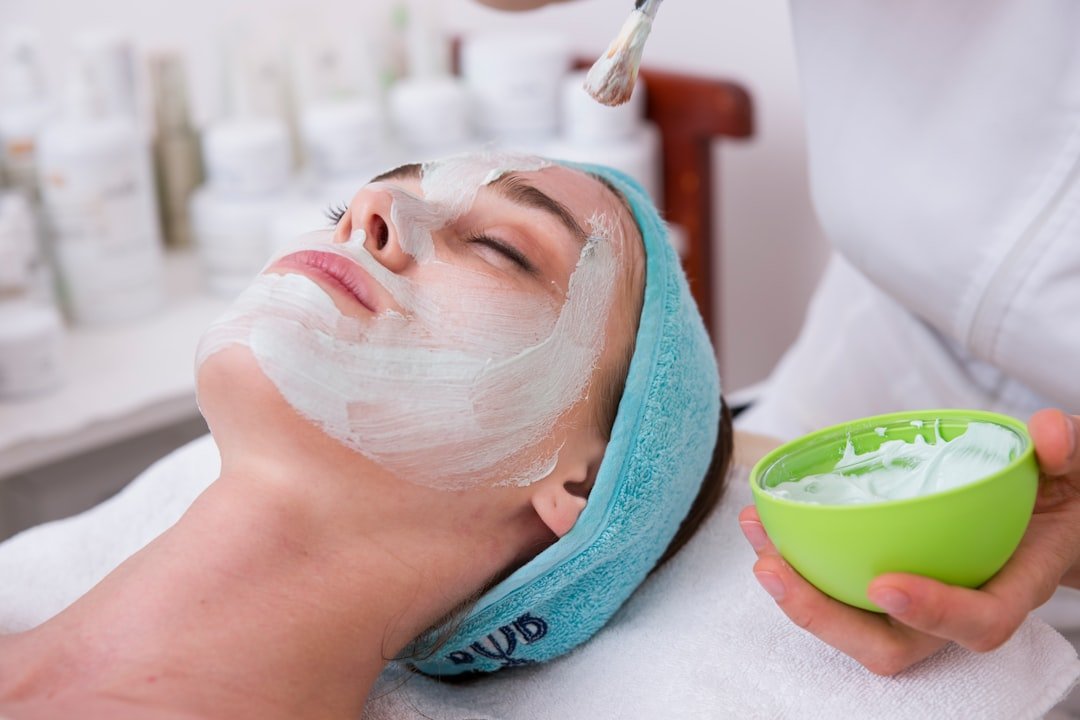
How Often Should You Exfoliate Your Face?
Exfoliation is a cornerstone of a healthy skincare routine: it clears dead skin, refines texture, and helps products absorb better. But exfoliating too often (or not often enough) can undermine results. This guide gives clear, practical rules to help you choose the right frequency and method for your skin.
Below you’ll find how exfoliation types differ, recommended schedules by skin type, safe techniques, product and tool suggestions, and a simple checklist to follow after reading.
Why exfoliate at all?
Exfoliation removes the layer of dead skin cells that can make skin look dull and block pores. Regular, appropriate exfoliation can improve skin tone, unclog pores, reduce roughness, and make serums and moisturizers more effective. The key is balancing results with skin barrier preservation: you want turnover without irritation.
Types of exfoliation: chemical vs mechanical vs enzymatic
Chemical exfoliants use acids or enzymes to dissolve bonds between dead cells. Common ones are AHAs (glycolic, lactic) for surface renewal and BHAs (salicylic) for oily, congested skin. Enzyme exfoliants (papaya, pineapple) offer gentler breakdown of dead cells.
Mechanical exfoliation physically lifts and scrubs away dead cells. That ranges from soft silicone or brush devices to scrubs and professional microdermabrasion. If you prefer a device-based mechanical approach, consider gentle options like Premium Facial Cleansing Brushes designed for daily or weekly use, rather than rough scrubs that can create microtears.
How often to exfoliate—guidelines by skin type
Use these as starting points; always adjust to how your skin responds.
- Normal to combination: 2–3 times per week. A mix of gentle chemical or mechanical methods works well.
- Oily or acne-prone: 2–4 times per week with BHA (salicylic acid) or gentle physical exfoliation. BHAs penetrate oil and can help keep pores clearer.
- Dry or dehydrated: 1–2 times per week with mild AHAs (lactic acid) or enzyme exfoliants—avoid harsh physical scrubs.
- Sensitive or rosacea-prone: Start with once every 10–14 days using very gentle enzymatic products or low-concentration acids; watch for redness and barrier breakdown.
- Mature skin: 1–3 times per week. AHAs can help with surface texture and discoloration, but monitor for dryness.
Always introduce a new exfoliant slowly—every other week—and increase frequency only if your skin tolerates it without irritation.
How to exfoliate safely (step-by-step)
Follow a reliable technique to get benefits without damage:
- Cleanse gently to remove makeup and surface oils.
- If using a chemical exfoliant, apply to dry or slightly damp skin as directed—don’t layer high-strength acids.
- For mechanical tools, use light pressure and brief passes; don’t scrub repeatedly over the same area. For a device option with controlled action, some users like the PRITECH Facial Cleansing Brush that offers gentle vibration and silicone bristles for lower-friction cleansing and mild exfoliation.
- Rinse thoroughly and follow with hydrating serums and a barrier-supporting moisturizer.
- Always apply broad-spectrum sunscreen daily—exfoliation can increase sun sensitivity.
Prepping skin and timing: when to exfoliate
Timing matters. Exfoliate after cleansing and before serums to maximize absorption, but avoid exfoliating the same night you use other strong actives (like retinoids) unless your routine is specifically formulated to combine them.
If you prefer a warm-steam prep to soften the surface before a deeper exfoliation, look at gentle steaming options. A category like Premium Facial Steamers can help open pores and make chemical or enzyme treatments more effective when used sparingly and at home safely.
Tools and products worth considering
Tools can improve results when used correctly. For home steaming, a well-made unit allows controlled, short sessions prior to exfoliation—an example is the Professional Facial Steamer, which is built for aesthetic treatments and can be useful for occasional deeper at-home sessions.
For non-chemical options and long-term skin rejuvenation, some people incorporate advanced devices like microcurrent tools to complement exfoliation rather than replace it. Devices such as the INIA SPHERA Upgraded 8-in-1 Microcurrent Facial Device are intended to support tone and product absorption after your exfoliation and hydration steps.
Post-exfoliation care: soothe, hydrate, protect
Supporting the barrier after exfoliation reduces inflammation and prolongs benefits. Apply a hydrating serum (hyaluronic acid), a ceramide-rich moisturizer, and broad-spectrum sunscreen by day. For soothing and better product absorption, gentle tools like rolling can help distribute treatments without friction—consider exploring Luxury Facial Rollers to aid gentle lymphatic movement and calm after a mild exfoliation.
Soothing and recovery tools
When skin feels warm or tight after exfoliating, cooling tools and calming treatments can help. A stainless steel ice roller can provide immediate relief and reduce redness without rubbing or irritating the skin—one option is the Stainless Steel Ice Roller.
For ongoing post-exfoliation healing and to address inflammation or acne scarring, low-level light therapy used sensibly can be a supportive adjunct. Categories like Premium LED Face Masks offer red and blue light options for recovery and maintenance, but follow product directions and professional guidance for frequency.
When to skip exfoliation and signs you’re overdoing it
Know when to pause. Skip exfoliation if your skin is sunburned, broken, actively inflamed (severe acne flare, eczema), or if you see persistent stinging, scaling, or increased redness after treatment. Signs of over-exfoliation include chronic tightness, flakiness beyond 48 hours, rawness, and new increased sensitivity to products.
If that happens, stop exfoliating, simplify to gentle cleansers and moisturizers, use calming products, and give your skin at least one to two weeks to recover before resuming a milder routine.
Quick checklist: before you exfoliate
- Confirm your skin type and any sensitivities.
- Choose method and frequency appropriate to your skin (see guidelines above).
- Patch-test new chemical exfoliants on the inner forearm or behind the ear.
- Prep with a clean face; optionally use steam sparingly for deeper treatments.
- Use gentle technique—low pressure for mechanical tools and recommended dwell times for acids.
- Soothe, hydrate, and apply sunscreen after the treatment.
FAQ
- Q: Can I exfoliate every day?
A: Most people should not. Daily exfoliation is usually too aggressive unless using a very mild enzyme or low-concentration product specifically labeled for daily use. Start less often and increase only if your skin shows tolerance. - Q: Which is better—chemical or physical exfoliation?
A: Both have roles. Chemical exfoliants (AHAs/BHAs) often deliver more even, controlled results with less mechanical damage; physical exfoliation can be effective when gentle. Choose based on skin needs and tolerance. - Q: Can I exfoliate if I’m using retinol?
A: Use caution. Combining strong retinoids with frequent exfoliation increases irritation risk. If you use retinol, reduce exfoliation frequency or choose milder agents; consult product instructions or a skincare professional for combined protocols. - Q: How long before I can apply makeup after exfoliating?
A: Wait until your skin has calmed and your sunscreen and moisturizer have been absorbed—typically 10–20 minutes for light products. If you’ve done a stronger peel, follow product guidance and allow adequate recovery time. - Q: Is exfoliating necessary if I use a serum with vitamin C?
A: Exfoliation complements topical actives by improving penetration, but it isn’t mandatory. If combining, layer carefully: after a gentle exfoliation, allow skin to calm before applying potent actives, and always use SPF.
Conclusion — practical takeaway
Exfoliate with intention: choose the method and frequency suited to your skin type, introduce new products slowly, and prioritize barrier repair and sun protection. For most people, 1–3 sessions per week is ideal—adjust based on response. Use gentle tools and supportive aftercare to maximize benefits without compromising skin health.
Products Featured in This Article

INIA SPHERA Upgraded 8-in-1 Microcu…
All-in-One Beauty Technology: Simplify your skincare routine with one versatile device designed for over-the-counter aesthetic care….
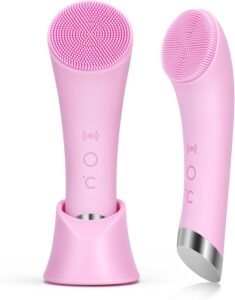
PRITECH Facial Cleansing Brush, Rec…
VIBRATION DEEP CLEANING: The facial cleansing brush is suitable for various skin types with 5 adjustable…
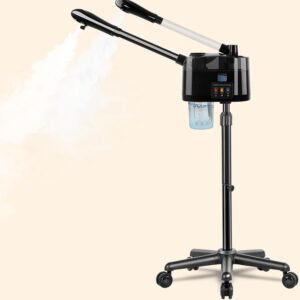
Professional Facial Steamer,Hot �…
Hot&Cold facial Steam: Features both hot and cold steam modes to help minimize pores, soften the…
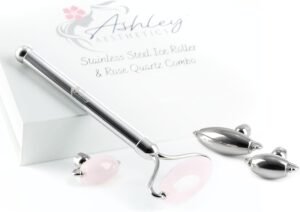
Stainless Steel Ice Roller & R…
Reduces Inflammation – Calms Rosacea, Sensitive Skin, or Sunburns. – Wake Up Feeling Refreshed By Using…